



Vintage Heraldic Plate
These vintage heraldic plate and related armorial pieces carry centuries of crests and coats of arms into the modern home.
Vintage Heraldic Plate
A vintage heraldic plate and related armorial objects encompasses dinner plates, decorative dishes, and fireplace accessories bearing coats of arms, crests, and motifs like rampant lions and dragons. These items span periods from the Victorian era and the nineteenth century through to the early decades of the twentieth century. They appear in diverse forms ranging from French faience dishes to English iron firebacks and silver-plated tableware.
Buyers seeking a vintage heraldic plate will most frequently encounter ceramics and metalware decorated with specific insignia, such as the Coalport dinner plate featuring the Order of the Garter from Windsor Castle. Other common manifestations include cast iron firebacks and heavy gauge silver-plated knife rests. These pieces reflect historical interests in lineage and heraldry across English, French, and Basque traditions.
Materials and construction methods
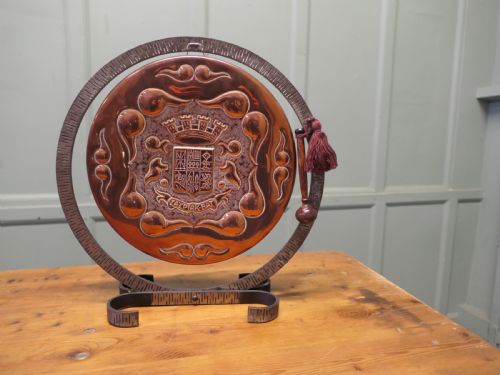
The materials recorded in these pieces combine durable metals and refined ceramics, utilising silver plate, cast iron, copper, iron, faience, and tin-glazed earthenware. Metal items employ techniques such as hand-hammering in Basque copper and iron work, alongside heavy gauge silver plating for table accessories like wine coolers and knife rests.
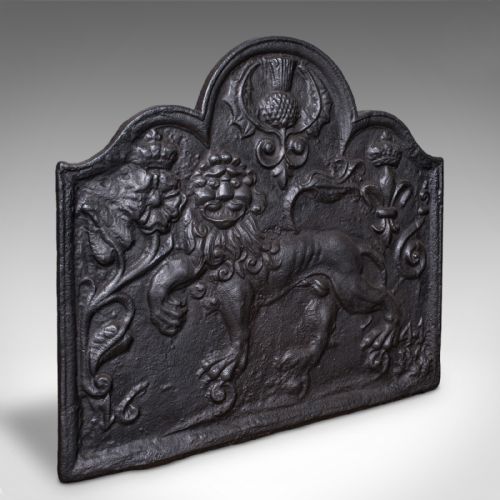
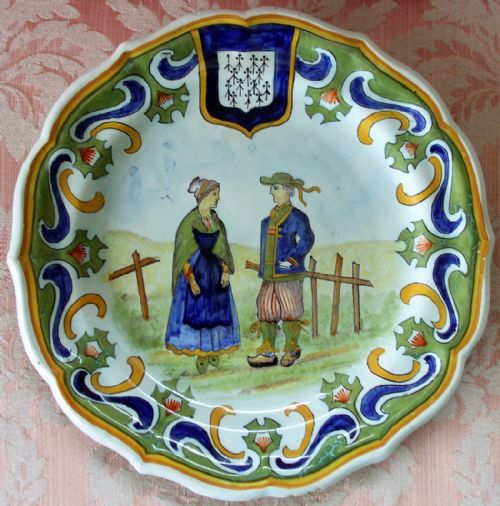
Ceramic objects rely on traditional moulding and glazing methods, seen in the tin-glazed earthenware and French faience dishes from Desvres. Iron pieces utilise heavy casting for fireplace accessories and firebacks, incorporating relief work to render detailed heraldic designs.
Vintage Heraldic Plate Retail Price Guide 2026
Typical asking prices for vintage heraldic plate among the pieces listed under this phrase on Sellingantiques today, from the lower quarter to the upper quarter. They describe what is for sale here now, not the wider market.
Listings feature items from the Victorian period, 1870, 1880, 1895, 1900, 1910, 1920, and 1930.
Quality factors in heraldic pieces
Quality in these items is determined by the crispness of the armorial detailing and the weight of the material used. Cast iron firebacks and silver-plated knife rests demonstrate superior craftsmanship through sharp, well-defined relief work and substantial metal gauge rather than thin construction.
In ceramic items such as French faience dishes and Coalport dinner plates, quality rests on the precision of the hand-painted or transferred crests and the stability of the glaze. Pieces associated with specific historical institutions or detailed figural elements, such as dragon finials or rampant lions, exhibit elevated standards of design.
The Vintage Heraldic Plate Glossary
- Heraldic
- Pertaining to heraldry, the system of devising, granting, and displaying coats of arms and crests. These motifs signify lineage, allegiance, or historical events.
- Faience
- Tin-glazed earthenware produced in Europe, particularly associated with French traditions. This ceramic provides a smooth white background suitable for detailed painted decoration.
- Fireback
- A heavy plate of cast iron placed at the back of an open fireplace. It radiates heat back into the room and protects the masonry wall.
- Silver Plate
- A base metal, such as copper or Britannia metal, coated with a thin layer of silver. This technique provides the appearance of solid silver for tableware.
- Order of the Garter
- The oldest and most senior British order of chivalry. Items associated with it often feature the distinctive garter motto and insignia.
Vintage Heraldic Plate: Frequently Asked Questions
What is a vintage heraldic plate used for?
These plates and dishes serve primarily as decorative wall hangings or cabinet display pieces rather than everyday tableware. Their armorial designs and historical crests make them focal points for interiors.
Heavier items like silver-plated knife rests and wine coolers retain their original dining functions while displaying distinct familial or institutional coats of arms.
How do I identify a Victorian heraldic piece?
Victorian pieces often display characteristic nineteenth-century stylistic markers, ranging from gothic revival motifs to detailed cast iron relief work. Look for hallmarks on silver plate and maker stamps on ceramics.
Insignia relating to specific British orders or titled families frequently help date and contextualise the manufacture of the object.
Are iron firebacks considered heraldic plates?
While firebacks are heavy cast iron fireplace accessories rather than table plates, they share the same decorative tradition of displaying raised coats of arms and royal crests. They function as architectural wall plates within the hearth.
Both categories utilise heraldry to convey status, lineage, and historical allegiance through metalwork.
How do I care for silver plated heraldic items?
Silver-plated tableware and accessories require gentle cleaning with non-abrasive cloths to preserve the thin silver layer over the base metal. Avoid harsh chemical dips that strip the antique patina.
Store metal items in dry environments to prevent tarnishing and corrosion of the underlying copper or iron.