



Vintage Hearth Decor
These vintage hearth decor items bring warmth and metallic shine to a room, ranging from gleaming brass coal scuttles to copper kettles.
Vintage Hearth Decor
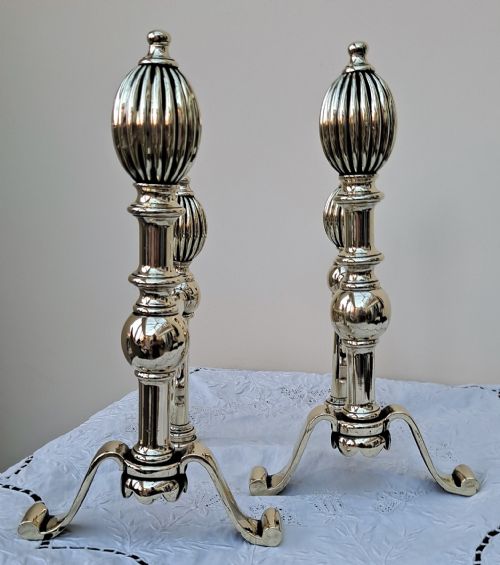
When you search for vintage hearth decor, you encounter functional fire accessories and ornaments shaped by metalworkers across the nineteenth and early twentieth centuries. These objects include coal scuttles, warming pans, fire screens, and andirons intended for coal or wood fires.
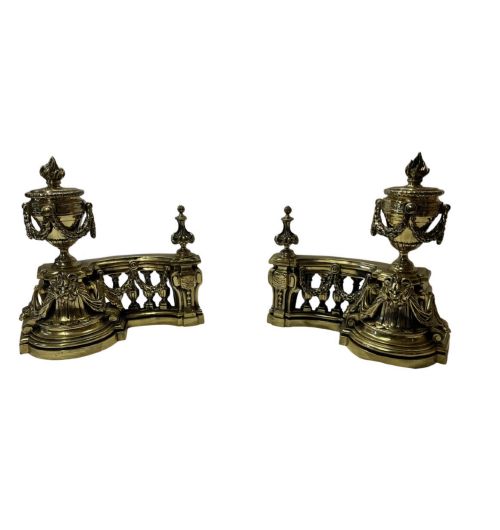
The selections on this page lean heavily towards English and French domestic metalwork in brass and copper, spanning Georgian, Victorian, and Edwardian periods. You will frequently find helmet coal buckets, chestnut roasters, and decorative chimney ornaments.
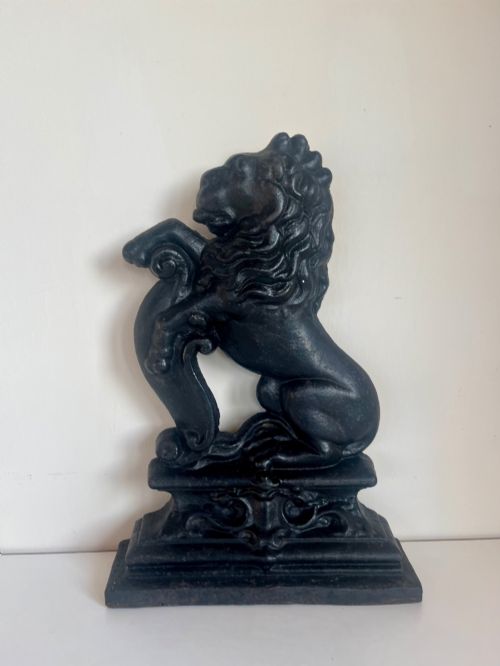
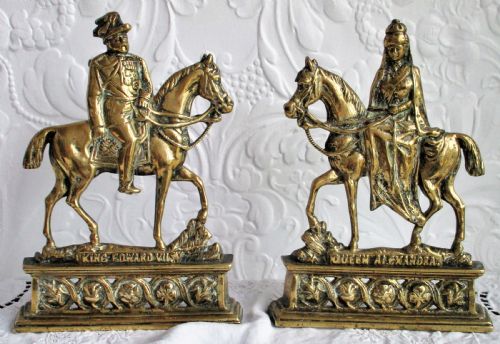
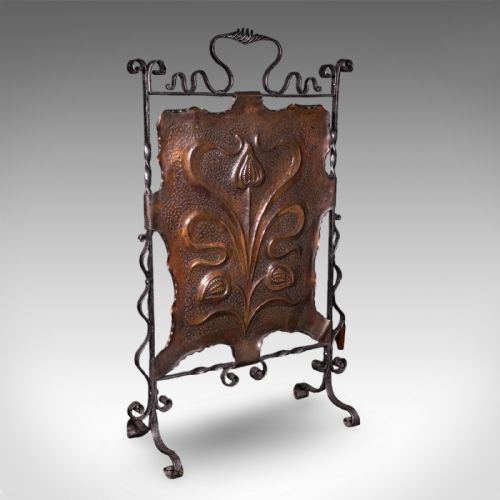
Many of these utilitarian items doubled as parlour ornaments, featuring embossed panels, repoussé decoration, or cast figural motifs. They bridge the gap between heavy utility and decorative interior charm.
What varies in quality
Weight and gauge of the metal separate robust utility pieces from lighter decorative items. Thicker brass and copper hold their structural integrity better under heat and sustained lifting.
The crispness of cast details on fire dogs, bellows, and chimney ornaments indicates the skill of the original foundry work. Subtle hand-hammered texture and clean riveted construction distinguish finer workshop output from mass production.
Vintage Hearth Decor Retail Price Guide 2026
Typical asking prices for vintage hearth decor among the pieces listed under this phrase on Sellingantiques today, from the lower quarter to the upper quarter. They describe what is for sale here now, not the wider market.
Listings feature items from the eighteenth, nineteenth, and early twentieth centuries, made predominantly from brass, copper, cast iron, and wood.
Benham & Froud·Henry Loveridge
The Vintage Hearth Decor Glossary
- Andirons
- Iron or brass supports used to hold logs in an open fireplace. They often feature decorative fronts that stand proud of the hearth.
- Coal Scuttle
- A bucket or box designed to hold coal for domestic fires. Helmet shapes and lidded bins are common forms in this category.
- Chenets
- French term for fire dogs or andirons. These ornamental metal supports sit at the front of the hearth.
- Repoussé
- A metalworking technique where a design is hammered into relief from the reverse side. This process decorates fire screens and coal buckets.
- Warming Pan
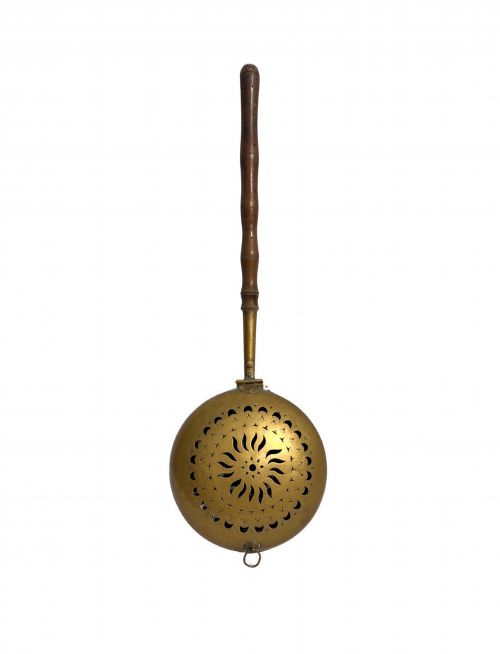
- A long-handled metal pan filled with hot embers to warm bed linens. Examples in copper and brass often display engraved lids.
Vintage Hearth Decor: Frequently Asked Questions
How do I clean antique brass hearth items?
Use a gentle cream cleaner formulated for brass to remove tarnish while preserving the underlying metal surface. Avoid harsh abrasives that strip away historical patina.
Apply the cleaner with a soft cloth, rinse with warm water, and dry thoroughly to maintain a soft, natural glow rather than a bright mirror finish.
Can I use these coal scuttles today?
Many copper and brass coal buckets remain structurally sound for holding logs or kindling beside a working fireplace. Check the riveted joints and base for stability.
Keep in mind that older soldered or riveted seams may loosen with heavy daily friction, so treating them with gentle care preserves their lifespan.
What is the difference between brass and copper pieces?
Copper has a distinct reddish-orange tone and was favoured for kettles, warming pans, and coal scuttles due to its malleability and heat retention. Brass contains zinc and yields a brighter, golden yellow colour suited to cast fire dogs and decorative ornaments.
Both metals were frequently used together on the same object, such as a copper body with brass handles and feet.
How do I date a Victorian coal helmet?
Examine the construction methods, such as hand-cut dovetailing, heavy rolled rims, and iron swing handles fixed with solid rivets. Stamped maker marks or registry numbers can also narrow down the production decade.
Stylistic cues like embossed floral patterns or classical revival motifs point directly to mid or late nineteenth-century design preferences.