

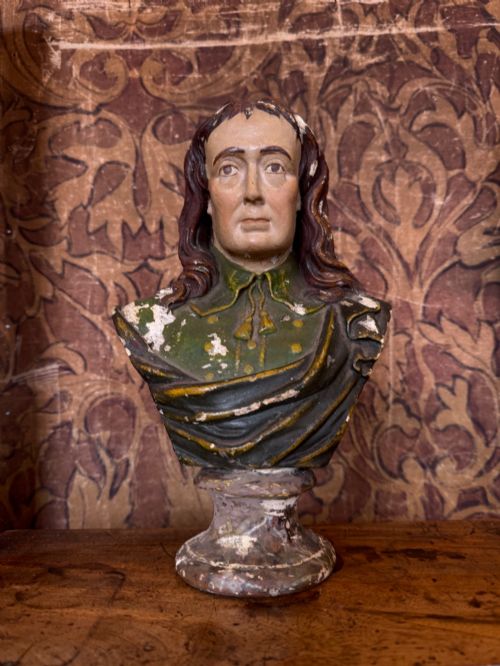
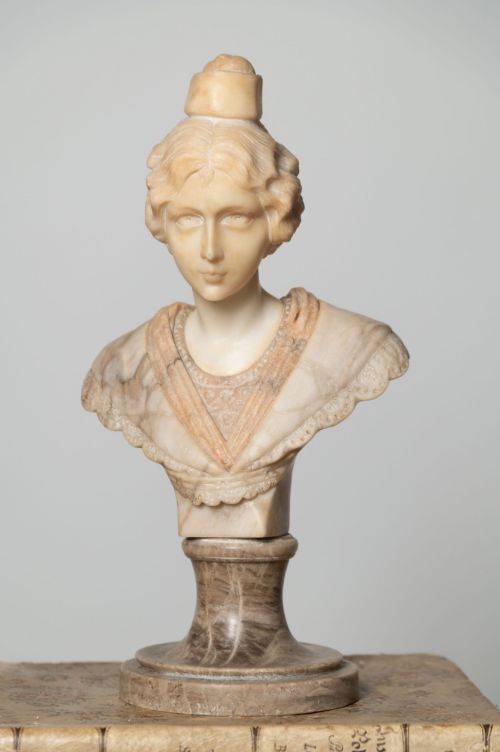
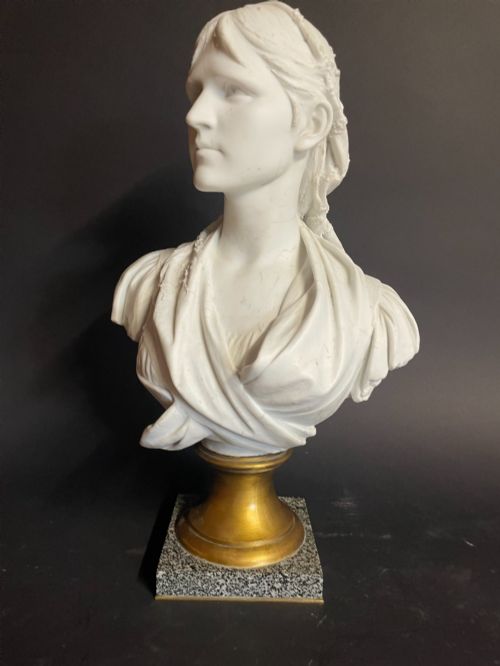
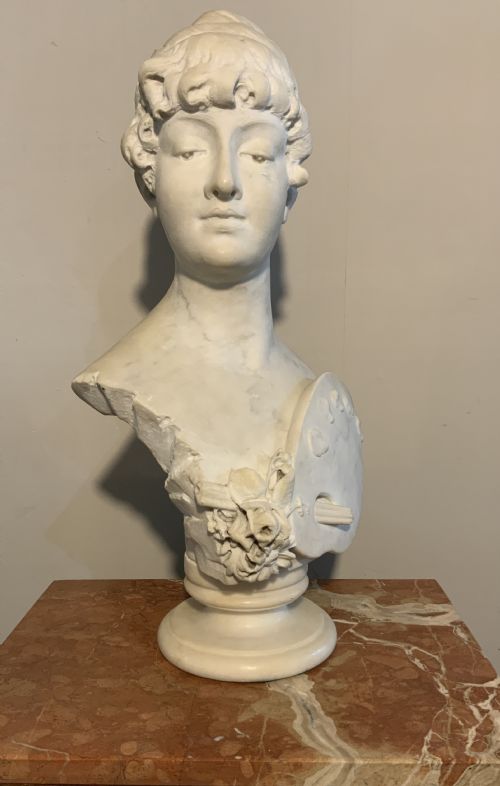
Vintage Head Sculpture
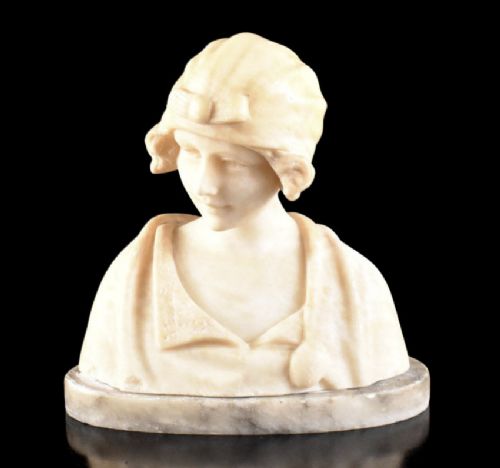
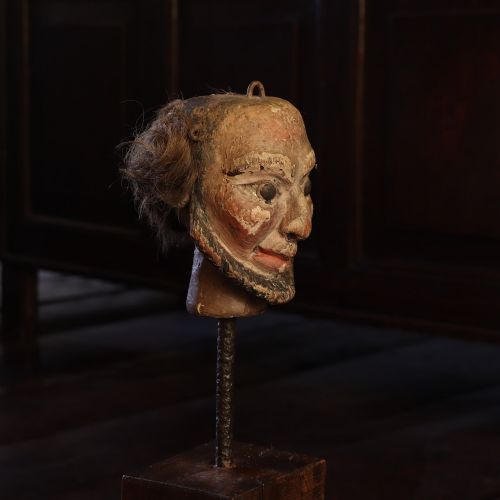
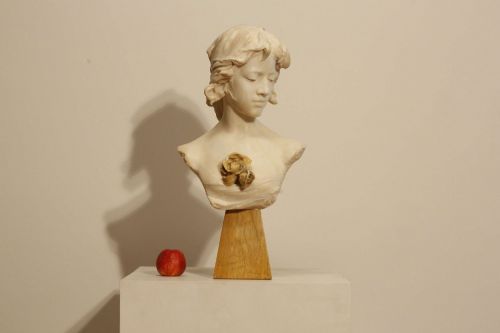
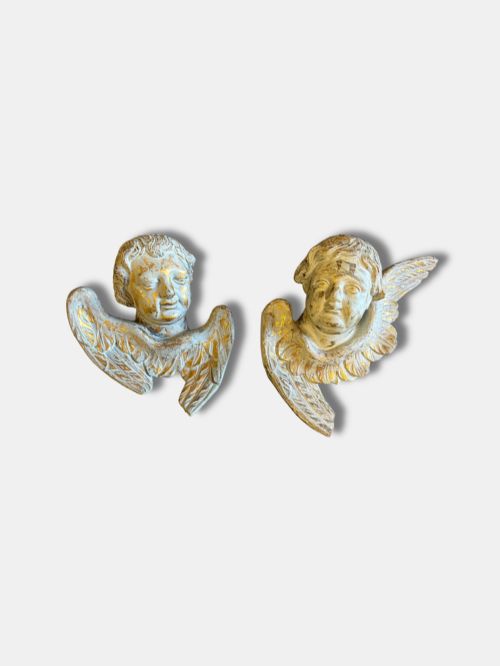
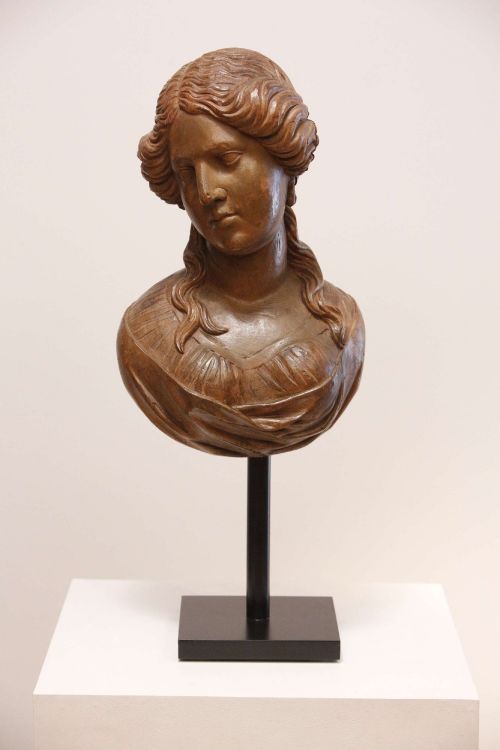
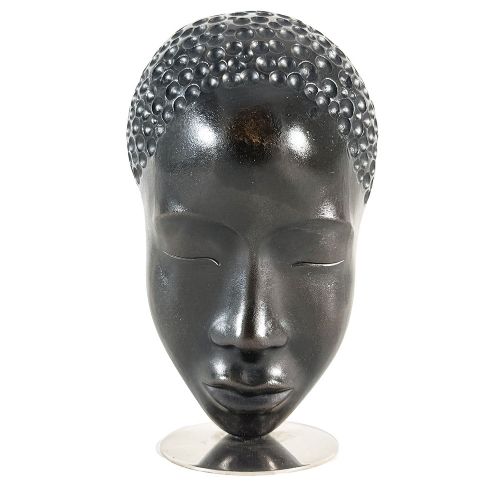
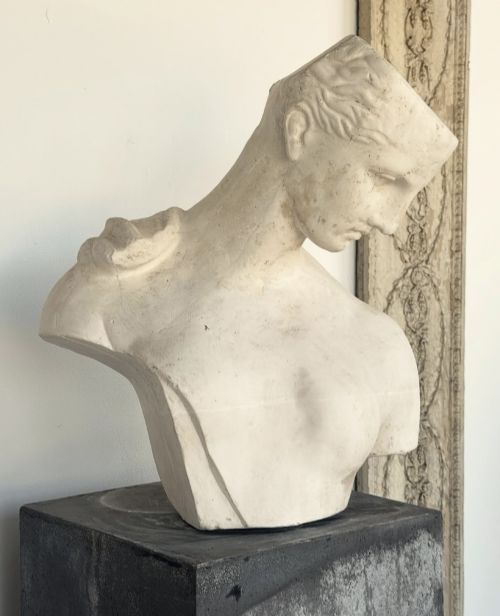
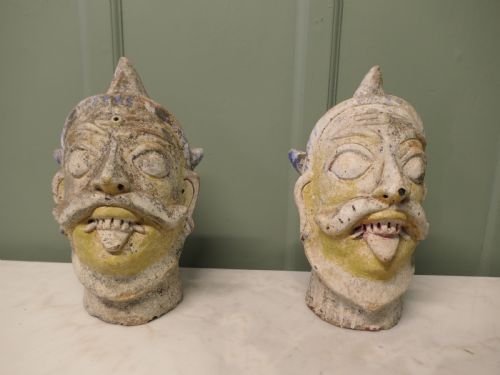
These vintage head sculpture pieces range from classical marble busts to folk art carvings, bringing historical presence and sculptural form into any interior.
Vintage Head Sculpture
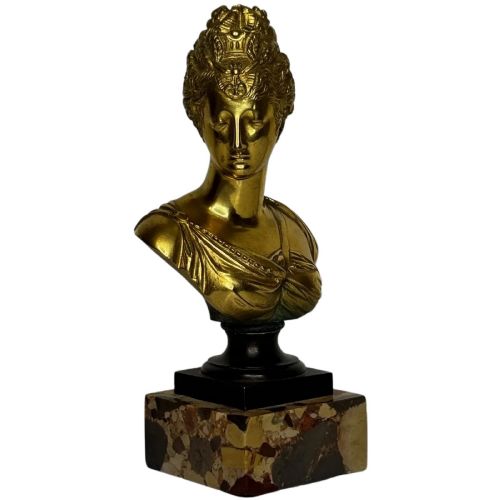
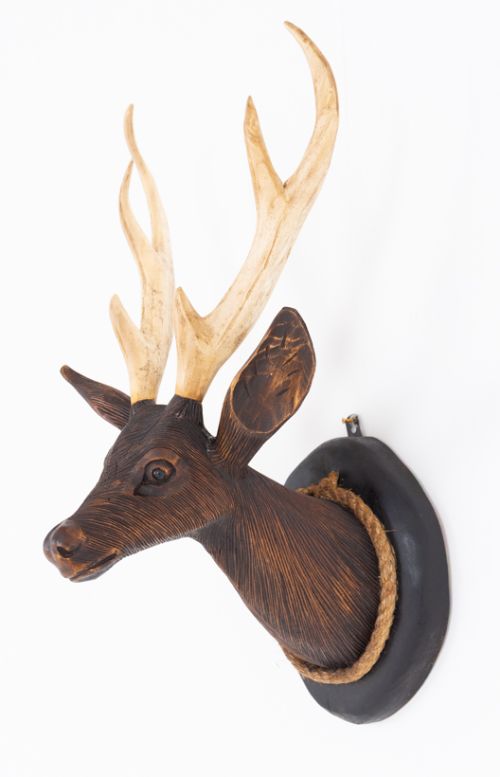
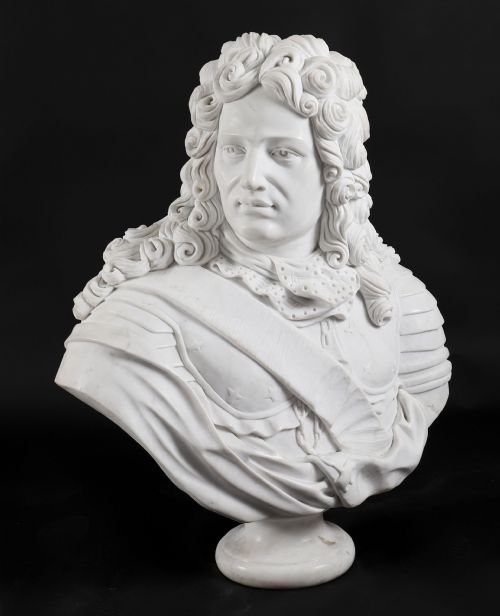
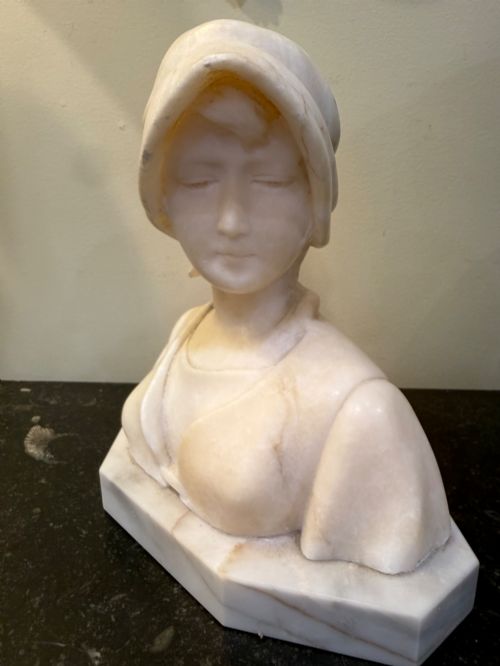
A vintage head sculpture covers a broad spectrum of portrait busts, masks, and animal heads rendered in three dimensions. Buyers encounter historical figures, mythological subjects, and theatrical props drawn from the eighteenth century through the mid twentieth century.
The most common examples on this page are nineteenth century plaster and marble portrait busts alongside early twentieth century bronze and terracotta works. Pieces range from grand library figures to folk art carvings and architectural elements.
Origins span European workshops, British studios, and international makers, encompassing neoclassical studies and art deco designs. These sculptures function as freestanding ornaments, wall corbels, and garden statuary.
Materials and construction methods
Carved materials include white marble, alabaster, walnut, and yew burr, shaped by hand using chisels and rasps. Plaster and terracotta versions rely on casting techniques, often finished with paint or patination to emulate metal and stone.
Bronze and metal pieces utilise traditional foundry methods, including lost-wax casting, followed by hand-chasing and chemical patination. Wooden items and theatrical props combine carved structural elements with applied surface treatments.
Vintage Head Sculpture Retail Price Guide 2026
Typical asking prices for vintage head sculpture among the pieces listed under this phrase on Sellingantiques today, from the lower quarter to the upper quarter. They describe what is for sale here now, not the wider market.
Among the historical figures and classical deities sits a haunting folk art dog featuring an opening mouth and a pop-out eye.
Distinctions in quality and execution
The selection of raw material dictates the baseline quality, with fine-grained Carrara marble and heavy cast bronze standing apart from softer plaster or hollow composition pieces. The reputation of the sculptor or foundry also marks the upper tier of execution.
Eugen Bormel·Hagenauer·Rene Lalique·Raffaelo Monti·George Henry Paulin RBS
The Vintage Head Sculpture Glossary
- Bust
- A sculpted representation of a person from the chest or shoulders up. This format focuses attention on facial expression and likeness.
- Patina
- The surface sheen or coloration developed through age, handling, or chemical treatment. It distinguishes aged bronze and wood from fresh surfaces.
- Plinth
- A heavy base or block upon which a bust or statue is mounted. It elevates the sculpture and provides visual stability.
- Corbel
- A structural bracket projecting from a wall to support a weight. In sculpture, it often terminates in a carved human or animal head.
- Terracotta
- Fired unglazed clay of a brownish-red colour. It allows for expressive hand-modelling before the hardening process.
Vintage Head Sculpture: Frequently Asked Questions
How do I display a heavy marble bust?
Heavy marble and stone busts require a sturdy, level surface such as a dedicated console table, a low bookcase, or a strong architectural bracket. Ensure the weight distribution is secure before placing the piece.
Keep stone sculptures away from high-traffic areas where they might be knocked, and avoid direct exposure to damp conditions that can affect certain minerals.
Are plaster busts fragile?
Plaster is a relatively soft material susceptible to chips, scuffs, and moisture damage. Handle painted or plain plaster sculptures with clean, dry hands and lift them from the base rather than projecting parts.
Dust plaster gently with a soft brush rather than a damp cloth to preserve the surface finish and any applied paint or patination.
What is the difference between bronze and bronzed metal?
Solid bronze is a heavy copper alloy cast in a foundry, prized for its durability and capacity to hold fine detail under a rich patina. Bronzed metal or composition pieces use a base metal or surrogate material given a metallic coating to simulate true bronze.
Examining the underside, weight, and magnet responsiveness helps determine whether a sculpture is cast bronze or a plated substitute.
How do I identify the period of a sculpture?
Dating relies on stylistic clues, costume details, hair styling, and the ageing characteristics of the material. Neoclassical and Victorian pieces often reflect specific revival movements, while early twentieth century works incorporate art deco or modernist lines.
Look for maker signatures, foundry marks, or inscriptions on the reverse or plinth, which often provide direct clues to the date of creation.