




Vintage Hat Display Head
A vintage hat display head is a shop counter piece holding millinery, and buyers choose them for their sculptural forms.
Vintage Hat Display Head
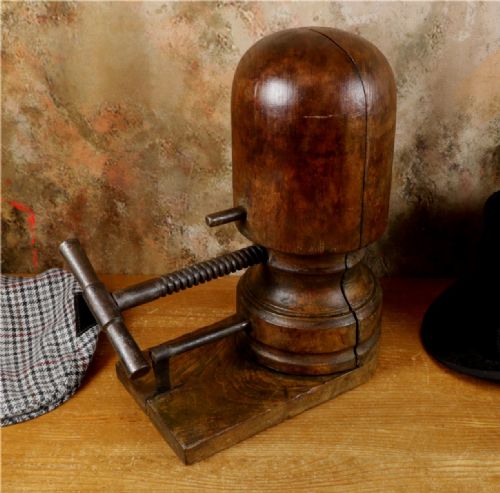
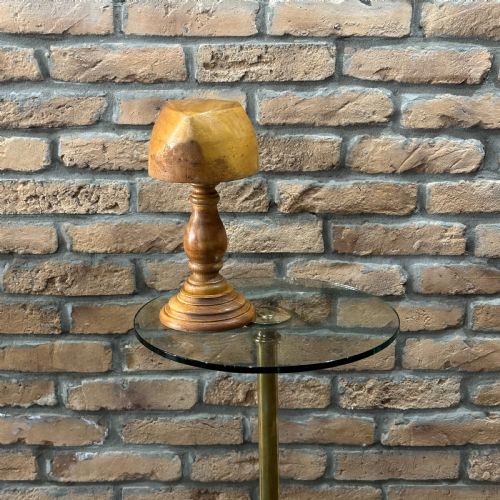
A vintage hat display head is a shop counter piece holding millinery, and buyers choose them for their sculptural forms. These objects include wooden hat stretchers, carved millinery heads, and French Art Deco advertising mannequins. The selection ranges from Victorian wood carved examples to 1930s shop displays.
You are most likely to meet wooden hat blocks, beech hat stands, and painted plaster or fabric mannequin busts. Many pieces originate from French or English workshops and haberdasheries. Forms span simple hat stands to elaborate folk art carved heads.
The objects serve primarily as structural supports for hats, wigs, and headpieces while doubling as decorative sculptures. Pieces from the 1920s and 1930s reflect distinct retail aesthetics, often associated with Art Deco styling. Traditional haberdashery items appear alongside more artistic shop window displays.
How they were made
Makers shaped these pieces using solid hardwoods such as beech, oak, walnut, and fruitwood. Carving and turning produced functional hat forms, stretchers, and sculptural busts. Joinery and lathe work defined utilitarian hat blocks and display stands.
Other examples utilise painted plaster, metal, and cast iron for industrial haberdashery and counter top displays. Fabric coverings and hand-applied paint finish many of the mannequin busts and advertising heads. Artisans combined carved wood with structural metal components where necessary for shop use.
Vintage Hat Display Head Retail Price Guide 2026
Typical asking prices for vintage hat display head among the pieces listed under this phrase on Sellingantiques today, from the lower quarter to the upper quarter. They describe what is for sale here now, not the wider market.
Listings span from the 1850s Victorian era through the 1930s Art Deco period, utilising wood, painted plaster, metal, and fabric.
What varies in quality
The distinction between top examples and simpler items lies in the expressiveness of the carving and the integrity of the materials. Finely carved folk art heads or detailed French Art Deco mannequins demonstrate superior sculptural ambition compared to utilitarian shop blocks. The handling of paint, fabric, and grain in fruitwood or walnut separates accomplished studio work from standard commercial stock.
Original surface patination and honest wear from shop floors contribute significantly to the character of better specimens. Surviving maker marks, regional attribution, and structural completeness preserve the historical context of the piece. Lesser items show generic mass production with minimal hand finishing or later repainting.
The Vintage Hat Display Head Glossary
- Hat stretcher
- A mechanical device used by hatters to expand or adjust the size of hats. They are typically constructed from segmented wood with internal screw mechanisms.
- Haberdashery
- Retail fittings, tools, and display items associated with the sale of hats, clothing, and sewing accessories. Items from this category reflect commercial shop use.
- Millinery form
- A solid wooden block or head carved to the precise shape required for constructing or storing hats. These range from simple geometric blocks to detailed carved busts.
Vintage Hat Display Head: Frequently Asked Questions
How were hat stretchers used?
Hat stretchers were utilised by hatters and haberdashers to adjust and maintain the inner circumference of hats. They feature segmented wooden sections that expand via a central screw.
Today, they are collected as sculptural wooden objects with a distinct mechanical function.
What materials are most common?
The listings feature a predominance of hardwoods including beech, oak, walnut, and fruitwood. Painted plaster, cast iron, and fabric also appear across various mannequin busts.
Each material reflects the functional demands of a retail environment.
How do I date these pieces?
Dating relies on stylistic markers such as Art Deco geometric lines or Victorian carving techniques. Materials, construction methods, and retail history provide further clues.
Evidence from this category spans the mid-nineteenth century through the 1930s.