


Vintage Handled Platters
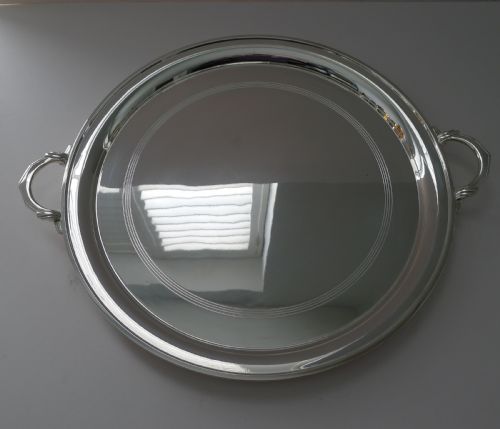
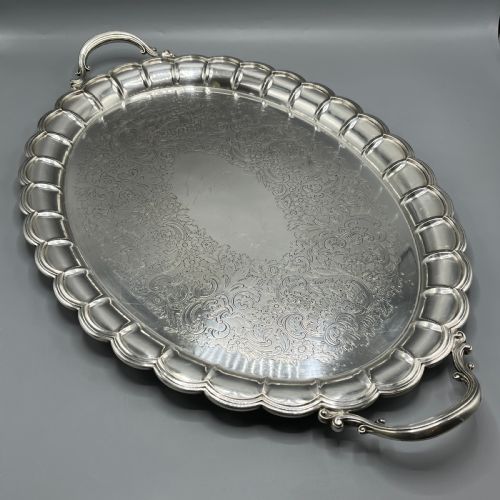
Vintage handled platters span utilitarian serving pieces to decorative cocktail trays in silver plate, mahogany, and brass.
Vintage Handled Platters
Vintage handled platters encompass a wide array of serving vessels designed for domestic hospitality, ranging from afternoon tea service to cocktail presentation. When searching for vintage handled platters, buyers encounter forms that span several decades and stylistic movements, from robust Victorian meat dishes to sleek Art Deco cocktail trays.
The material selection on this page reflects distinct eras of design and utility, featuring silver plate alongside timber, brass, and copper. Pieces frequently include gallery rails, inlaid marquetry, or cast handles intended for practical transport during entertaining.
Edwardian and Victorian examples dominate the available forms, often presenting substantial proportions suited for large gatherings or sideboard display. Alongside these formal pieces, Arts and Crafts iterations and mid-century modern variations introduce distinct metallic and wooden textures to the category.
Materials and Construction
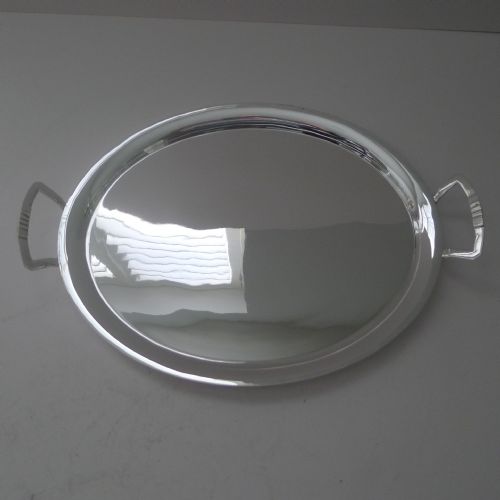
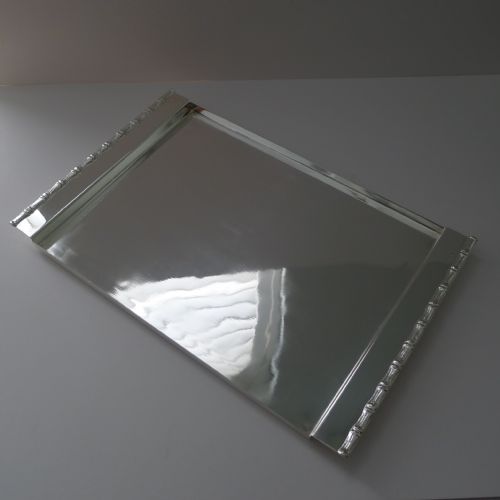
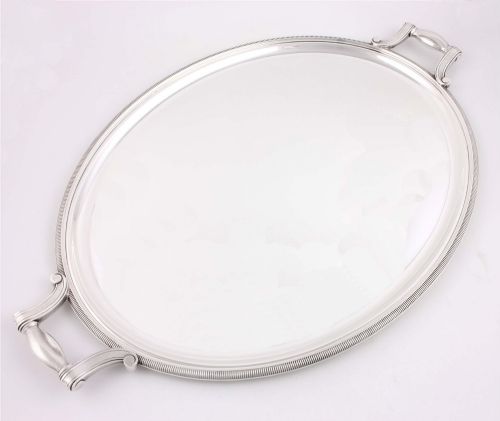
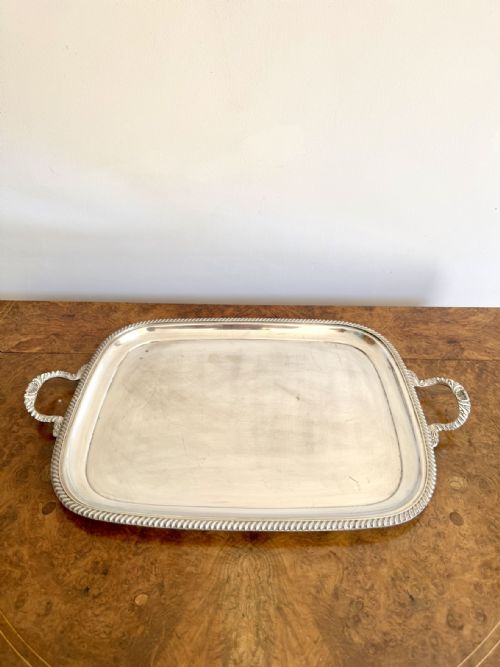
Makers utilised silver plate over base metals, nickel silver, and copper to achieve durable yet lustrous surfaces for everyday and formal use. Techniques such as electroplating allowed workshops to apply a fine layer of silver to robust foundations like Britannia metal or copper.
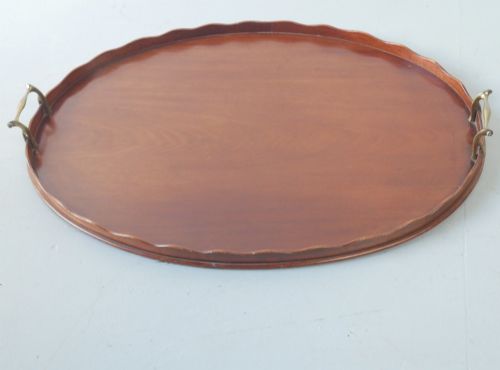
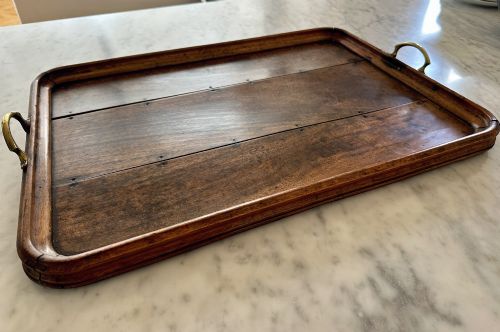
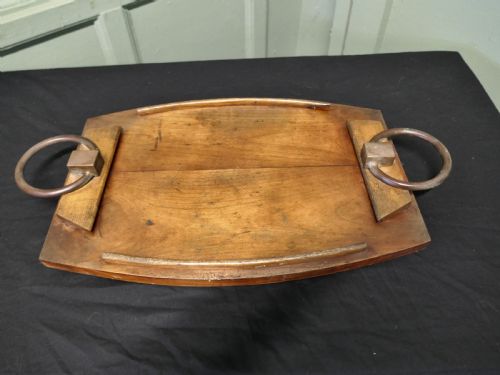
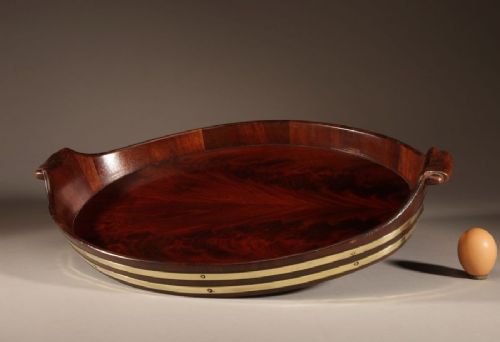
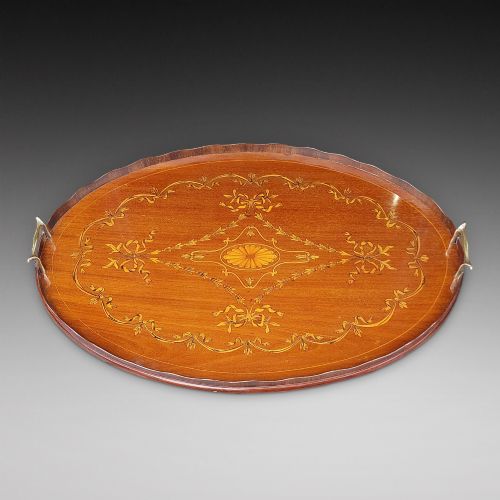
Wooden variants rely on traditional cabinet-making methods, combining mahogany, satinwood, and golden elm with marquetry inlay and coopered brass bands. Handles are frequently integrated into the wooden frame or cast in brass and silver plate, then securely fastened to withstand the weight of heavy service.
Vintage Handled Platters Retail Price Guide 2026
Typical asking prices for vintage handled platters among the pieces listed under this phrase on Sellingantiques today, from the lower quarter to the upper quarter. They describe what is for sale here now, not the wider market.
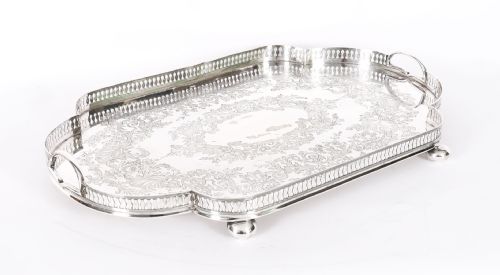
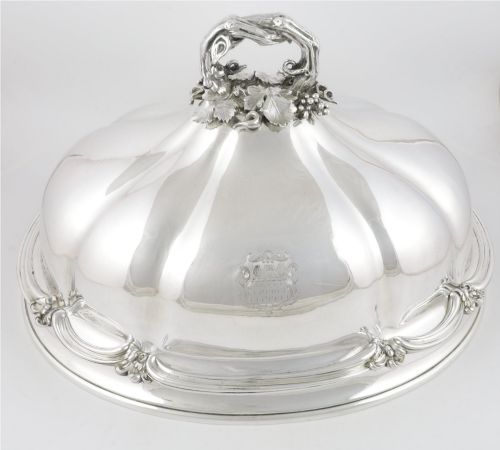
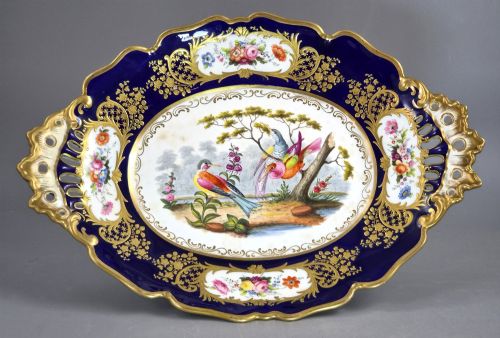
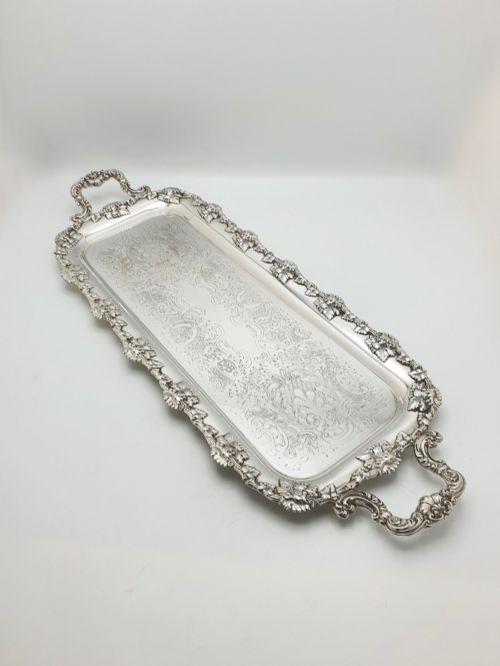
Design forms range from simple wooden tea platters to elaborate silver-plated gallery trays with cast grape borders.
Assessing Quality and Execution
The standard of execution is evident in the crispness of chased borders, the integrity of silver plating over base metals, and the precision of wooden joinery. Superior examples maintain thick silver layers that resist wear on high-touch surfaces like handles and gallery rims.
Weight and balance distinguish higher tier pieces, as heavier gauge metals and dense hardwoods provide structural rigidity during handling. Detail work, including hand-engraved cartouches, tightly fitted inlay, and robustly cast feet or handles, separates standard production items from workshop pieces.
Asprey London·Keith Murray For Mappin & Webb·James Deakin·Roberts Cadman·Christofle·Liberty & Co·Hukin & Heath·J B Chatterley & Sons·Frank Cobb & Co
The Vintage Handled Platters Glossary
- Gallery tray
- A tray featuring an upright pierced metal or wooden gallery rail around its perimeter to secure glasses and decanters. This style became particularly popular during the Edwardian period for serving drinks.
- Old Sheffield plate
- An early fusing technique where a sheet of silver is fused to a thicker copper core by heat and pressure. Items made this way often reveal faint hints of copper along high-wear edges.
- Coopered tray
- A piece constructed from individual wooden staves joined side by side, frequently reinforced with metal bands. This method derives from barrel-making traditions and appears in sturdy serving items.
- Marquetry
- The art of applying small pieces of veneered wood to a structure to form decorative patterns or pictures. It adds distinct surface detail to mahogany and satinwood serving boards.
Vintage Handled Platters: Frequently Asked Questions
How do I clean a silver plated tray?
Use a specialised silver polish and a soft cloth to gently remove tarnish without disturbing the underlying plating. Avoid abrasive pads that can strip the thin silver layer.
Store the piece in a dry environment and handle it by the edges or handles to minimise fingerprint residue and chemical transfer from the skin.
Were these trays used for food or drinks?
These items served multiple domestic functions, functioning as afternoon tea platters, cocktail servers, and warming dishes for carved meats. Larger examples accommodated entire tea sets or decanter collections.
Deep oval dishes and meat domes were specifically designed for the dining table, while handled trays with gallery rails supported glassware during social gatherings.
How do I date a wooden handled tray?
Dating relies on timber choices, construction techniques, and decorative styles such as inlay patterns or brass gallery designs. Victorian and Edwardian wooden trays frequently employ mahogany or satinwood with distinct grain characteristics.
Examining the underside for tool marks, screw types, and general wear patterns provides further clues regarding the manufacturing era.