


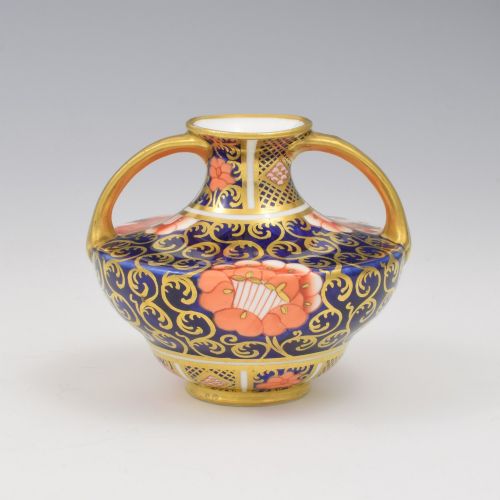
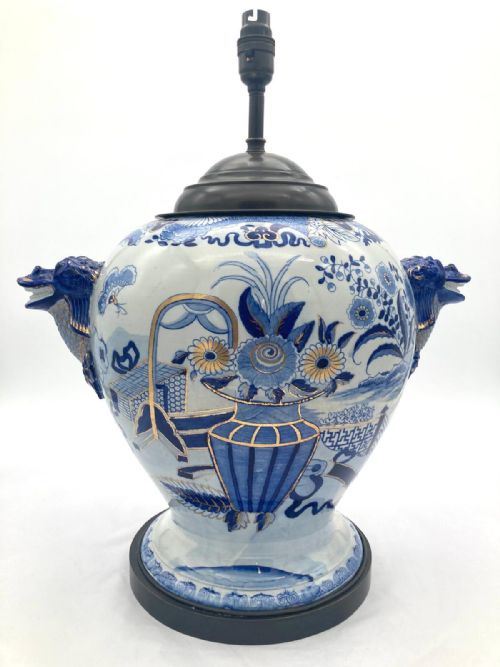
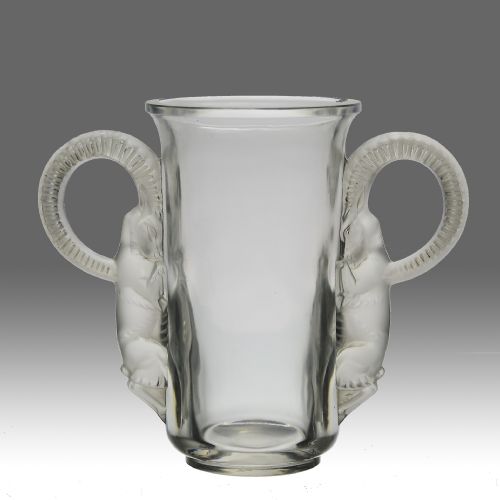
Vintage Handle Urn
When you search for vintage handle urn, you are tracking down metal and ceramic vessels designed for display, heating, or storage across past centuries.
Vintage Handle Urn
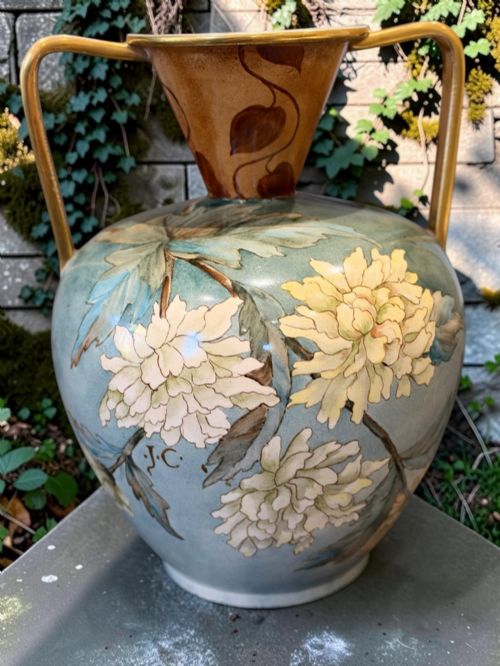
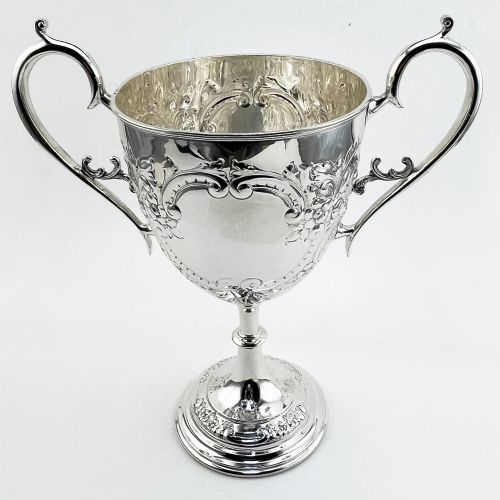
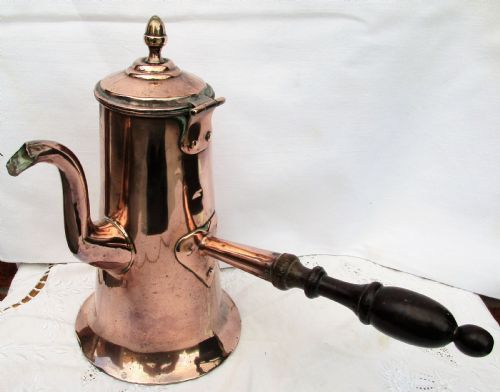
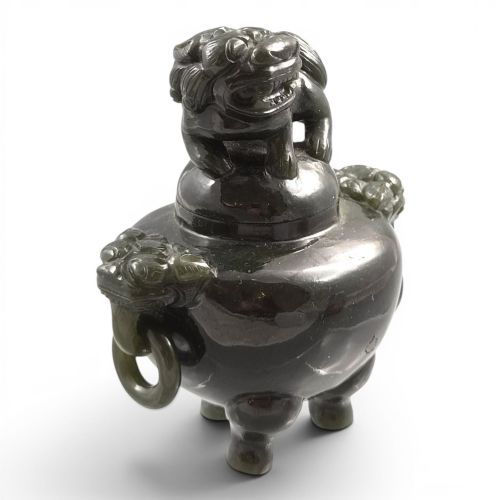
A vintage handle urn spans decorative vessels, utility containers, and converted lighting fixtures dating from the nineteenth century into the early twentieth century. These objects include twin-handled vases, spirit kettles on stands, samovars, and oil jars sourced from diverse design traditions.
Buyers frequently encounter brass, copper, and bronze items alongside porcelain and terracotta examples featuring single, twin, or caryatid handles. The selection ranges from Victorian table accessories and Edwardian spirit kettles to Regency samovars and Art Deco glass vases.
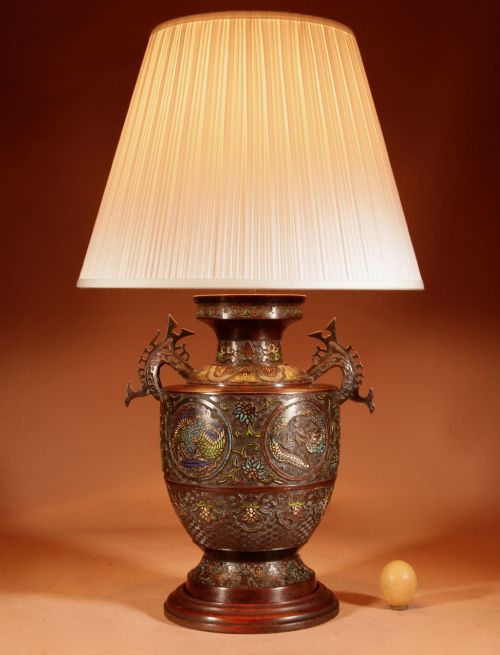
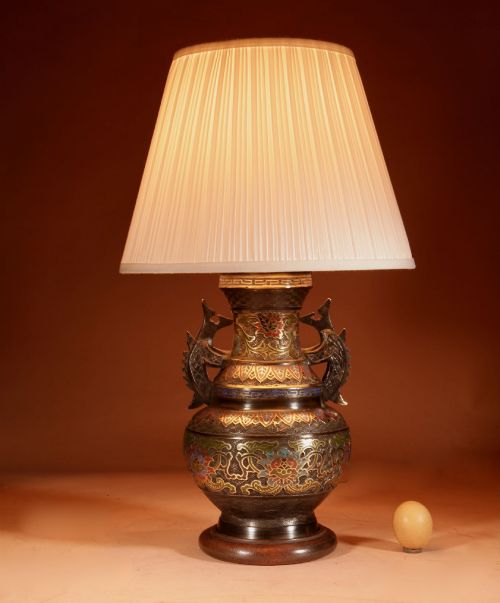
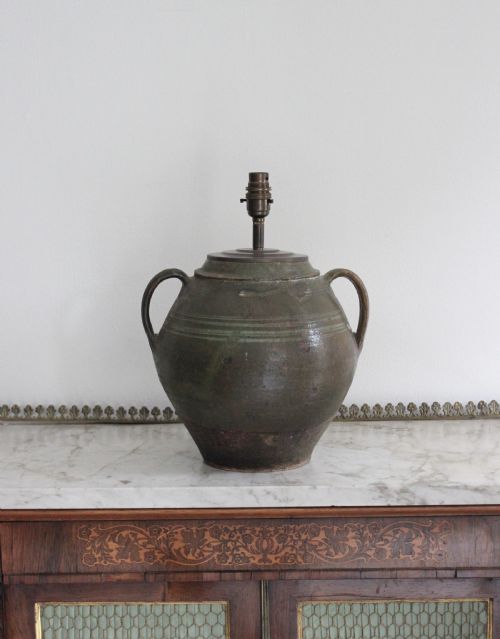
Origins stretch across English, French, Chinese, Japanese, and Italian workshops, reflecting shifts in taste from Renaissance Revival and Art Nouveau to French Country aesthetics. Many pieces retain their original functional purpose, while others have been adapted as table lamps.
How they were made
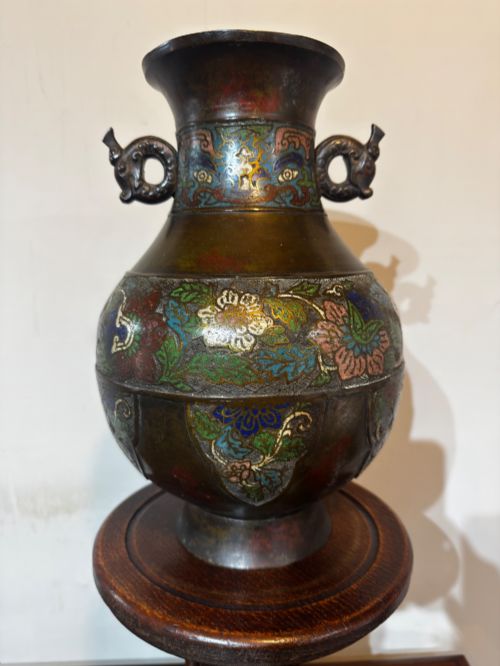
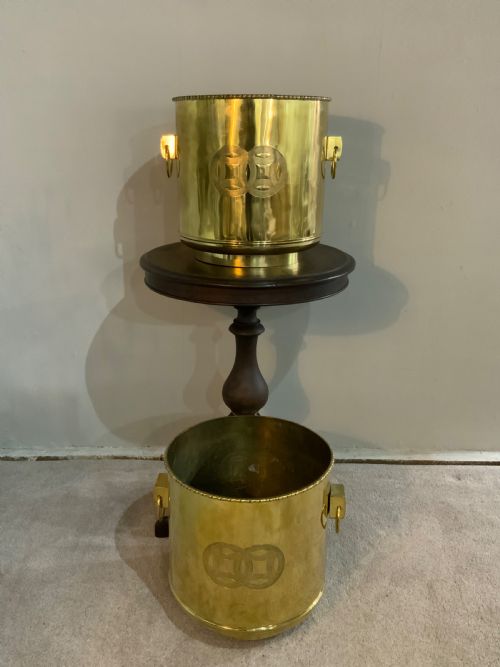
Metal vessels rely on cast or hammered copper, brass, and bronze, sometimes enhanced with champleve enamel work or silver plating. Artisans shaped these metals into pitchers, samovars, and jardinieres, applying handles through soldering or integral casting during production.
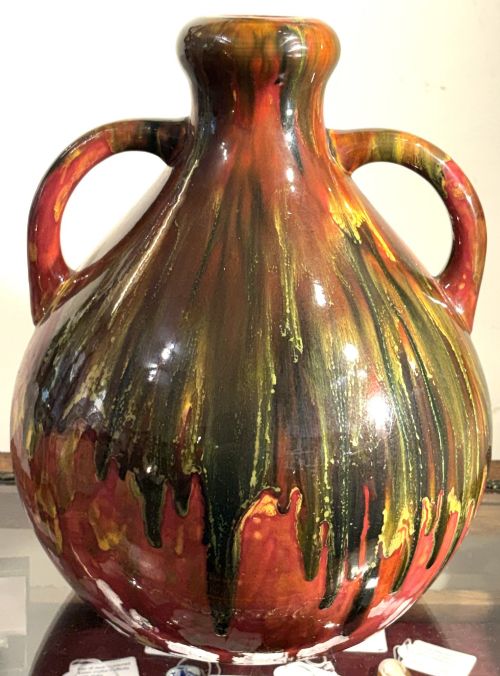
Ceramic and glass items employ earthenware, terracotta, porcelain, and clear glass shaped on wheels or cast in moulds. Decoration involves hand-painted floral motifs, raised white enamel, and coloured glazes fired in kilns by factories and art potteries.
Vintage Handle Urn Retail Price Guide 2026
Typical asking prices for vintage handle urn among the pieces listed under this phrase on Sellingantiques today, from the lower quarter to the upper quarter. They describe what is for sale here now, not the wider market.
Listings feature items from the eighteenth century through the Art Deco period, utilising brass, bronze, porcelain, and copper.
What varies in quality
Distinctions in quality arise from the crispness of surface detail, the precision of hand-painted or enamelled decoration, and the integrity of applied handles. Pieces from established porcelain works and skilled metalsmiths display finer control over form and finish than utilitarian items.
The survival of original elements, such as lids, burners on spirit kettles, and matching stands, elevates a piece. Alterations, including conversions for electrical lighting, alter the original context of the vessel while adapting it for modern domestic use.
Hicks and Meigh·Edwards and Roberts·H and R Daniel·René Lalique·Royal Crown Derby·Royal Worcester·Royal Doulton
The Vintage Handle Urn Glossary
- Samovar
- A metal urn traditionally used to boil water for tea, heated by an internal pipe or external burner. These vessels often feature spigots and decorative handles.
- Champleve
- An enamelling technique where troughs are carved into a metal surface and filled with vitreous enamel powder before firing. This method creates colourful patterns on bronze and brass bodies.
- Caryatid handle
- A structural support shaped as a sculpted female figure functioning as a handle on a vase or urn. This classical architectural motif appears on nineteenth-century decorative metalwork.
- Spirit kettle
- A portable metal kettle mounted on a metal stand above a small spirit burner. These items date primarily from the Edwardian period for tea service use.
- Terracotta
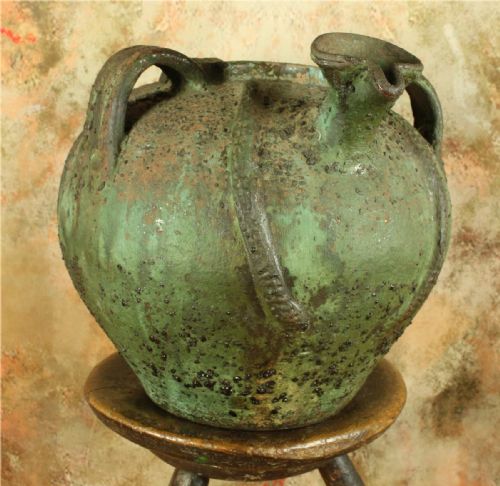
- A porous, unglazed or glazed red earthenware fired in a kiln. It appears in large garden oil jars and confit vessels from French and English traditions.
Vintage Handle Urn: Frequently Asked Questions
What is a vintage handle urn?
A vintage handle urn is a decorative or utility vessel fitted with grips, constructed from metals like copper and brass or ceramics such as porcelain and earthenware.
These pieces originate from the nineteenth and early twentieth centuries, serving roles ranging from water heating to interior display.
How were samovars used?
Samovars functioned as heated water urns for tea preparation, utilising internal chimneys or burners to maintain high temperatures.
They stood on dining or tea tables, allowing hosts to dispense water via a small spigot.
Can I use an antique spirit kettle?
Antique spirit kettles were designed to heat water using a small burner placed beneath the metal body during social gatherings.
Many buyers display them on their original stands as decorative metalwork rather than utilising the burner mechanism today.
How do I identify Victorian metalwork?
Victorian metal items often display characteristic revival styles, heavier gauge copper or brass construction, and stamped registry marks.
Examining the construction of the handles and the finish of the metal helps indicate the period of manufacture.