






Vintage Handguns
These vintage handguns encompass centuries of engineering, from flintlock mechanisms to mid-nineteenth-century revolvers designed for precision and personal defence.
Vintage Handguns
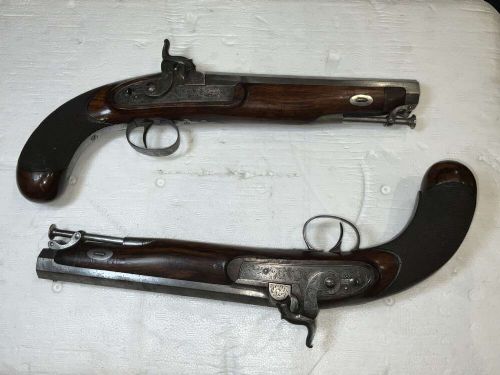
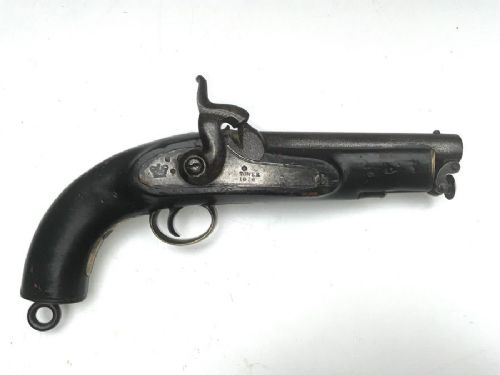
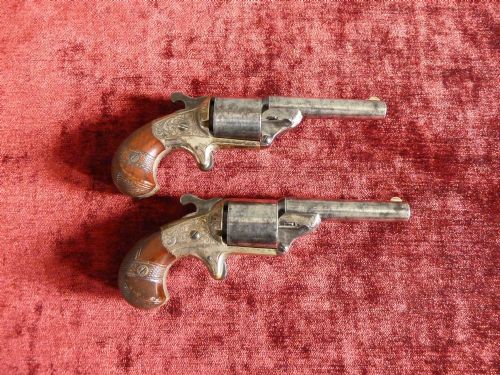
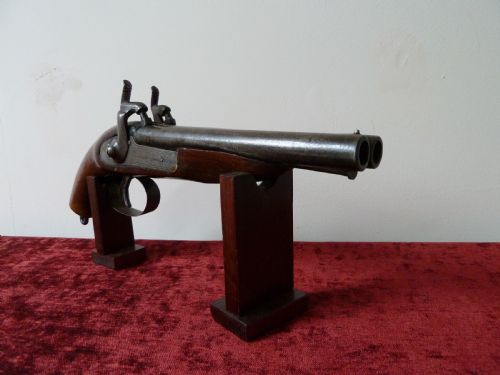
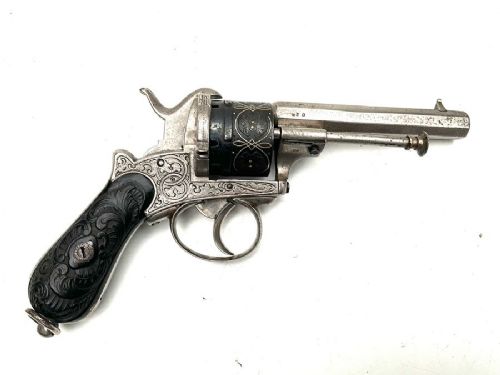
Vintage handguns span eras from the eighteenth to the nineteenth century, covering flintlock, percussion and pinfire firing systems. Buyers encountering this selection will find military service arms, officers' sidearms and civilian pocket pistols.
The material composition of these antique firearms reflects the utility and status of their original owners, featuring robust steel mechanisms alongside brass barrels and wooden stocks.
Geographic origins vary widely across the inventory, ranging from London workshops to American makers and Balkan Ottoman frontier regions.
How they were made
Makers utilised forged steel for barrels and locks, pairing them with stocks carved from walnut, ebony and general wood. Fine examples incorporate brass mounts, iron furniture and delicate silver inlay.
Interior components required precise hand-fitting to ensure smooth rotation in revolvers and reliable ignition in flintlock and percussion mechanisms.
Vintage Handguns Retail Price Guide 2026
Typical asking prices for vintage handguns among the pieces listed under this phrase on Sellingantiques today, from the lower quarter to the upper quarter. They describe what is for sale here now, not the wider market.
Some pocket pistols hid their triggers entirely until the hammer was cocked, ready for an unexpected encounter.
What varies in quality
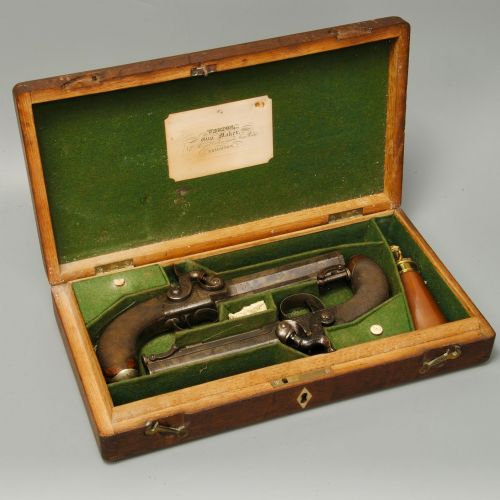
Superior examples display crisp maker signatures, matching serial numbers and intact original accessories such as fitted wooden boxes. The integration of decorative silver inlay and engraved brass detailing also elevates the status of a piece.
The clarity of proof marks and the preservation of steel and wood finishes distinguish standard military issue arms from custom civilian commissions.
H Tatham London·Colt·Mortimer·Timothy Hughes Cork·Auguste Francotte Liege·Meyer And Mortimer·Barber Of Newark·Dutton London
The Vintage Handguns Glossary
- Percussion
- A mid-nineteenth-century ignition system using a hammer to strike a percussion cap containing fulminate of mercury. This replaced earlier flintlock methods.
- Flintlock
- An ignition mechanism utilising a flint struck against a steel frizzen to create sparks that ignite gunpowder. It dominated firearm production prior to the percussion cap.
- Pinfire
- An early self-contained cartridge system featuring a protruding pin struck by the hammer. It saw widespread use in the mid-nineteenth century.
- Snaphaunce
- An early European flintlock mechanism with a manually opened pan cover. It represents a key transitional form in firearm evolution.
- Bore
- The interior diameter of the barrel. It determines the size of the projectile the handgun can fire.
Vintage Handguns: Frequently Asked Questions
What is a percussion revolver?
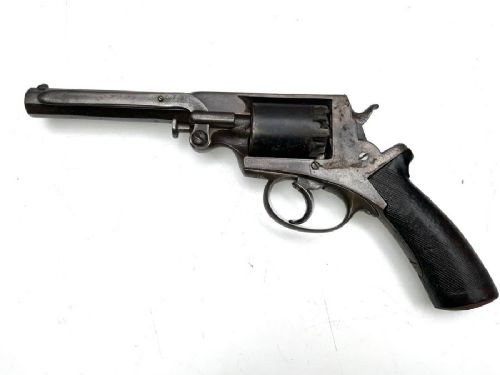
A percussion revolver uses a rotating cylinder loaded manually with gunpowder, a lead ball and a separate percussion cap placed on a nipple. When the trigger is pulled, the hammer strikes the cap to fire the charge.
This system gained prominence during the mid-nineteenth century for military and civilian use.
Were these pistols used in combat?
Many pieces originate from military contracts, such as U.S. martial issues from the American Civil War or British Army officer service. Others served as private defence weapons for travellers and postal inspectors.
Service history is often indicated by government inspection stamps or Tower markings.
How should I display a vintage handgun?
These arms are best housed in secure, dry environments away from direct sunlight to preserve wooden stocks and steel finishes. Many collectors utilise fitted wooden presentation boxes with velvet linings.
Proper humidity control prevents the degradation of antique iron and organic materials.