




Vintage Hammered Bowl
These vintage hammered bowl examples combine visible hand-workmanship with enduring metal forms across several periods.
Vintage Hammered Bowl
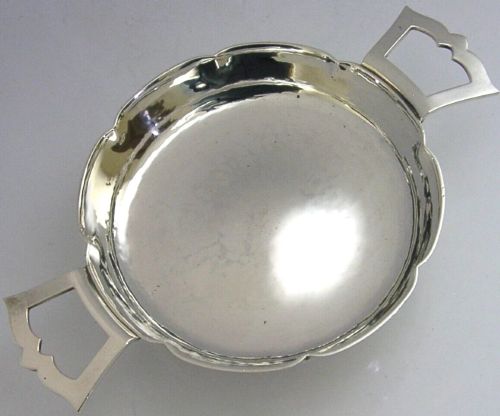
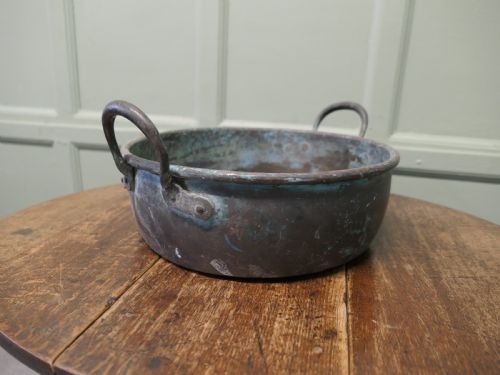
A vintage hammered bowl encompasses various domestic and decorative vessels shaped by hand across the nineteenth and twentieth centuries. Buyers seeking a vintage hammered bowl will encounter diverse iterations ranging from heavy copper preserving pans to delicate silver quaich cups.
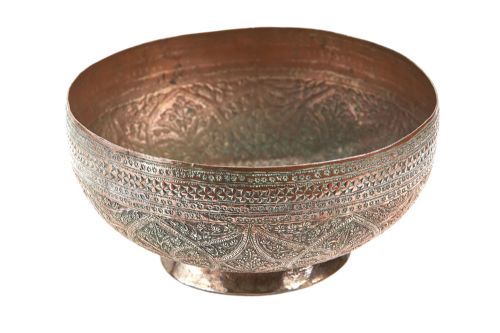
The pieces on this page span several distinct stylistic movements, notably the Arts and Crafts and Art Deco periods. These vessels frequently originate from British workshops, alongside Chinese export items and Indian metalwork.
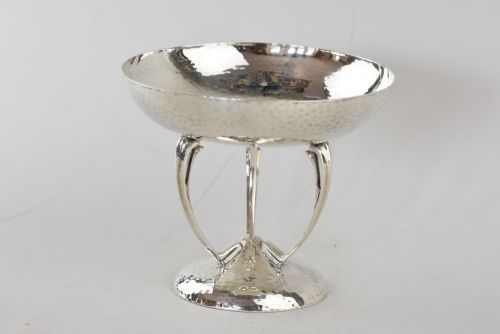
Forms vary significantly, including pedestal bowls, footed fruit baskets, jardiniere vessels, and simple serving dishes. Copper and pewter dominate the material selection, though sterling silver and enamel additions appear frequently.
How they were made
Metalworkers shaped these vessels by hand-beating sheet copper, pewter, brass, and silver over stakes using specialised hammers. This hammering process creates the characteristic planished facets that catch the light across the surface of each vintage hammered bowl.
Makers integrated decorative elements such as enamel cabochons, cast bronze legs, and ebonised wood details to enhance the metal bodies. Pewter items often utilised specialised alloy casting alongside hand-planishing to achieve distinct Art Deco and Arts and Crafts profiles.
Vintage Hammered Bowl Retail Price Guide 2026
Typical asking prices for vintage hammered bowl among the pieces listed under this phrase on Sellingantiques today, from the lower quarter to the upper quarter. They describe what is for sale here now, not the wider market.
Some nineteenth century grain measures found a second life as heavy copper bowls, proving that utilitarian farm tools make wonderful fruit baskets.
What varies in quality
Quality rests in the precision and consistency of the hand-beaten marks left across the metal surface. Skilled silversmiths and coppersmiths maintained rhythmic, even hammer strikes that gave structural integrity as well as texture.
Heavier gauge metals and thoughtful integration of decorative details, such as applied clover motifs or enamel cabochons, separate standard utilitarian vessels from finer studio pieces. The weight of the metal and balance of form distinguish superior examples.
R E Stone·Goldsmiths and Silversmiths Company·Armada Pewter·Liberty and Co
The Vintage Hammered Bowl Glossary
- Planished
- Finished with small, flat hammer marks deliberately left visible across the metal surface to show hand craftsmanship.
- Quaich
- A traditional two-handled drinking vessel, often fashioned in silver during the twentieth century in the Arts and Crafts style.
- Jardiniere
- An ornamental pot or bowl designed to hold plants or flowers, frequently rendered in heavy nineteenth century copper.
- Cabochon
- A gemstone or piece of enamel shaped and polished round rather than faceted, often set into metalwork.
- Tazza
- A shallow bowl or vase raised on a high foot, used historically for display or serving.
Vintage Hammered Bowl: Frequently Asked Questions
How do I clean a copper bowl?
Copper vessels benefit from gentle washing with warm soapy water and thorough drying to preserve the natural metal surface. Harsh abrasive cleaners should be avoided to protect the historical patina.
Maintaining the original finish keeps the piece stable for daily domestic use or decorative display within the home.
Are pewter bowls food safe?
Older pewter formulations sometimes contained lead, meaning vintage pewter items serve best as decorative fruit baskets or display pieces rather than everyday tableware.
Checking for modern alloy composition or maker marks helps determine the original intended function of the vessel.
What is an Arts and Crafts bowl?
Arts and Crafts vessels emphasise visible hand-craftsmanship, traditional metalworking techniques, and simple functional forms inspired by medieval design. These pieces often feature prominent planishing marks from the maker's hammer.
Designers in this movement rejected mass production in favor of individual artistic expression and honest material use.
How do I date a hammered bowl?
Dating relies on maker stamps, hallmarking laws, stylistic cues from periods like Art Deco or Victorian design, and the construction methods used on the base. Comparing the weight and alloy helps place the object in its correct era.
Archival records and guild marks provide the most accurate chronological indicators for silver and pewter pieces.