

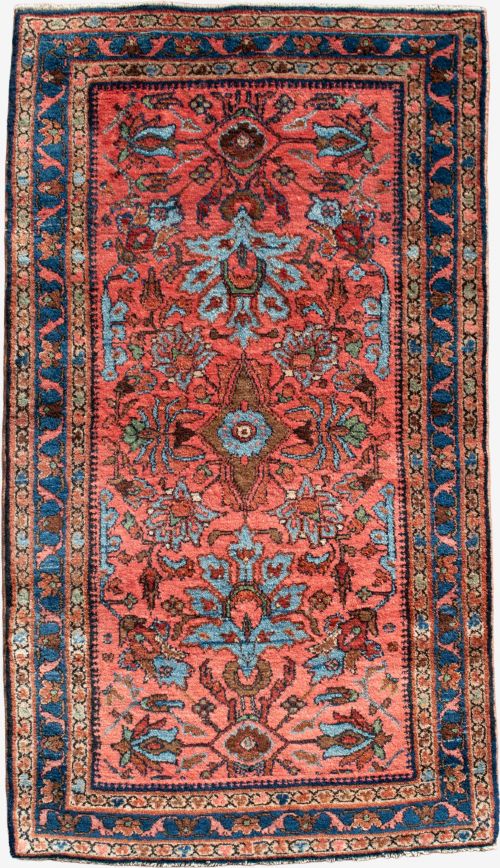
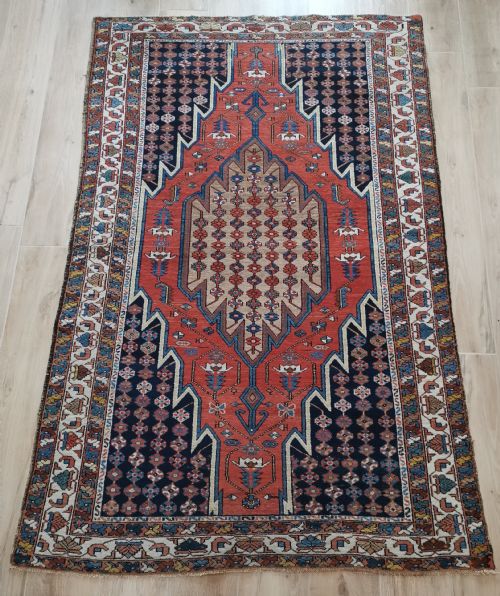
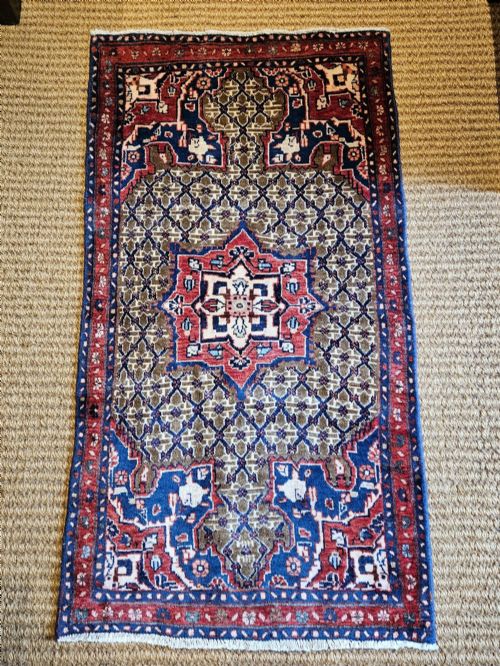
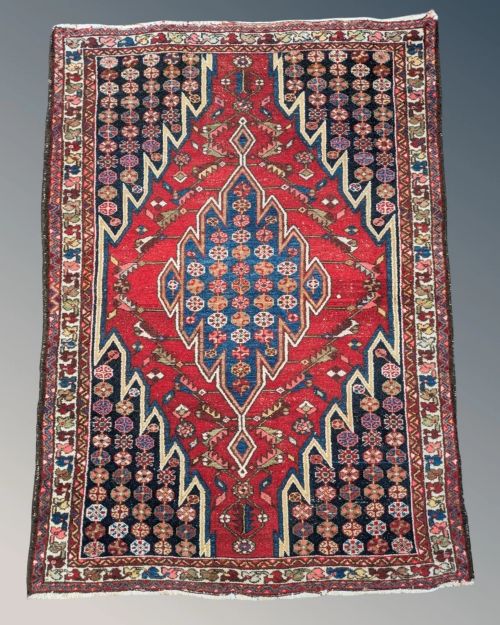
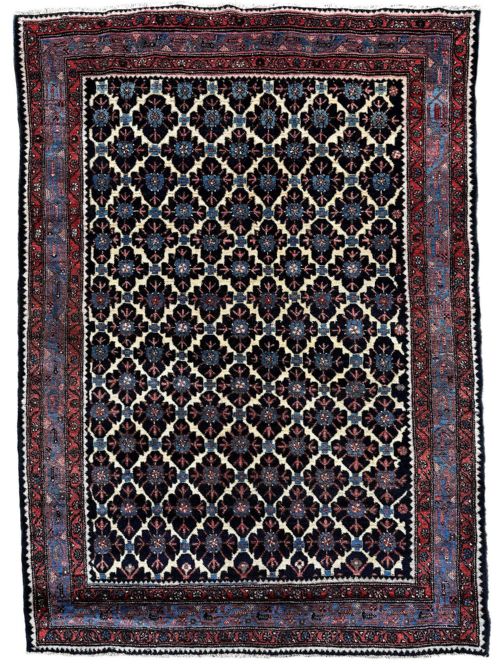
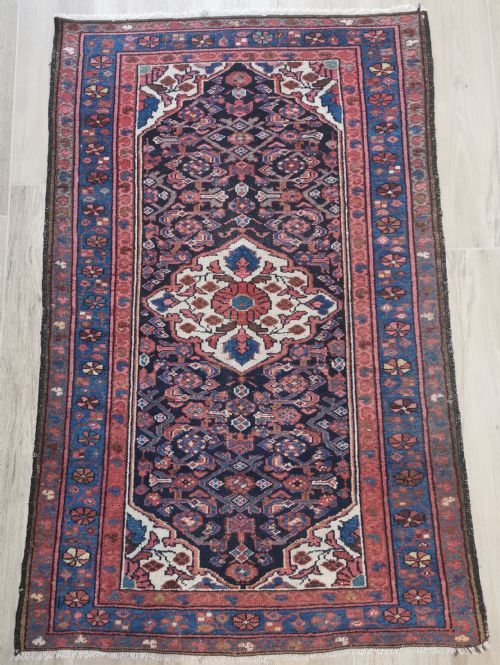
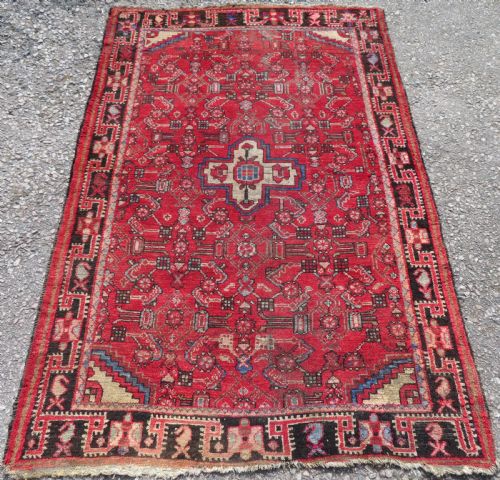


Vintage Hamadan Runner
These vintage hamadan runner selections bring genuine Persian tribal character and sturdy wool construction straight into long corridors and hallways.
Vintage Hamadan Runner
A vintage hamadan runner is a woven floor covering originating from the Hamadan region and surrounding villages in Persia, designed specifically for hallways and narrow spaces. These pieces span production dates from the late nineteenth century through the early twentieth century, including periods around 1880, 1900, 1910, 1920, and 1930. Buyers searching this phrase seek authentic village and tribal weaves that offer long, narrow proportions suited to traditional corridor placement.
The selections available here emphasise traditional Persian, tribal, and village styles, often incorporating regional designations such as Mazlaghan, Sanjan, Borodjert, and Kurdistan. Forms vary from narrow runners and long rug runners to broader hallway runners and kelleh carpets, though the characteristic narrow format dominates. These textiles reflect the handiwork of regional Kurdish and village weavers working within established local traditions.
What varies in quality
Quality in these runners rests on the density of the wool pile and the precision of the village weave, which dictate how well the structure holds together over decades of wear. Pieces featuring thick, resilient pile and tightly packed knots demonstrate superior durability compared to looser constructions. The fineness of the spin and the clarity of the regional design execution further distinguish standard village production from exceptional examples.
The proportion and balance of the narrow format also influence overall merit, particularly in very long runners where maintaining straight edges requires considerable skill from the weaver. Regional attribution adds another layer of distinction, with specific village subgroups like Borodjert or Kurdish-woven pieces exhibiting unique aesthetic qualities. Preservation of the original wool edges and ends determines how closely a survivor retains its authentic factory or village state.
Vintage Hamadan Runner Retail Price Guide 2026
Typical asking prices for vintage hamadan runner among the pieces listed under this phrase on Sellingantiques today, from the lower quarter to the upper quarter. They describe what is for sale here now, not the wider market.
Some exceptionally long runners stretch past ten metres, requiring two paired formats to cover a single grand corridor.
The Vintage Hamadan Runner Glossary
- Hamadan runner
- A long, narrow woven floor covering produced in the Hamadan region of Persia, intended for corridors and hallways. These pieces typically display traditional village motifs.
- Mazlaghan
- A specific style of Persian rug and carpet originating from the Mazlaghan area, known for distinct regional patterning and colour distribution.
- Kelleh
- A large-sized Persian carpet format that is longer than it is wide, serving as an intermediate proportion between standard rugs and full room carpets.
- Borodjert village rug
- A textile woven in the Borodjert village within the Hamadan region, frequently characterised by specific regional floral lattice designs.
- Wool pile
- The soft, upper surface of a rug formed by the cut ends of knots tied to the foundation, providing warmth and cushioning underfoot.
Vintage Hamadan Runner: Frequently Asked Questions
Where should I place a long runner?
These narrow formats suit long hallways, corridors, and entrance spaces where a durable floor covering protects high-traffic floorboards. Their extended proportions draw the eye down a passage while adding warmth underfoot.
Ensure you measure the exact clearance of your hallway and doors before selecting a piece, as lengths can exceed four metres.
How do I care for antique wool rugs?
Regular gentle vacuuming without a rotating brush roll keeps dust from settling deep into the wool pile. Professional cleaning suited for antique textiles preserves the natural lanolin and dyes.
Avoid excessive moisture and direct prolonged sunlight to maintain the integrity of the cotton foundations and wool fibres.
What is a village rug?
A village rug is woven by independent artisans working in home or community settings rather than large urban manufactories. These pieces often feature spontaneous geometric designs and traditional local motifs.
Such textiles carry the distinct artistic signature of the weavers and the specific region where they were produced.
How can I tell the age of these runners?
Dating relies on stylistic markers, structural materials, and documented production periods ranging from the late nineteenth century to the 1930s. Characteristics such as natural dye variations and hand-spun wool provide clues to an earlier origin.
Comparing structural specifics with documented examples from similar village traditions helps narrow down the decade of creation.