
Vintage Hall Furniture
These vintage hall furniture pieces organise an entryway with period character, offering everything from heavy oak benches to brass-fitted umbrella stands.
Vintage Hall Furniture
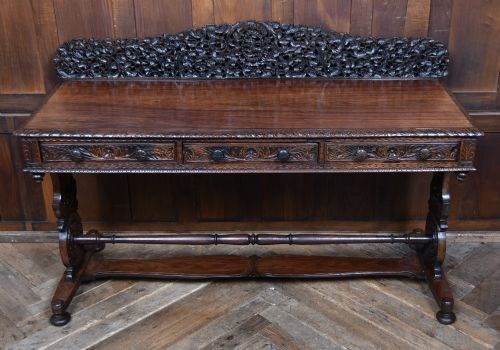
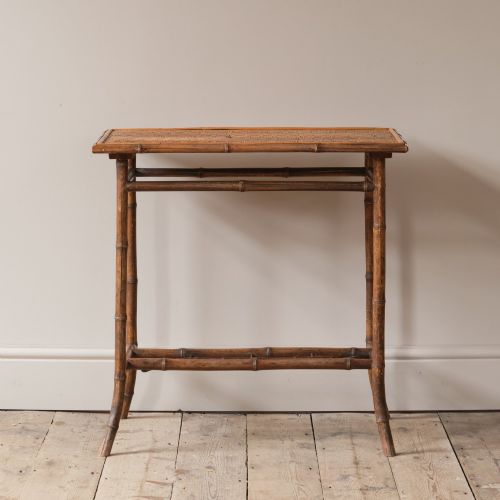
Vintage hall furniture encompasses the practical items placed in an entranceway to manage coats, hats, sticks and footwear upon entering a home. When exploring vintage hall furniture, buyers encounter forms designed specifically for transitional spaces, ranging from substantial oak benches to slender console tables and umbrella stands.
The pieces appearing on this page span several eras, with Edwardian and Victorian examples alongside 19th-century and early 20th-century creations. Oak and mahogany dominate the selection, appearing in styles from Jacobean Revival and Arts and Crafts to Art Nouveau.
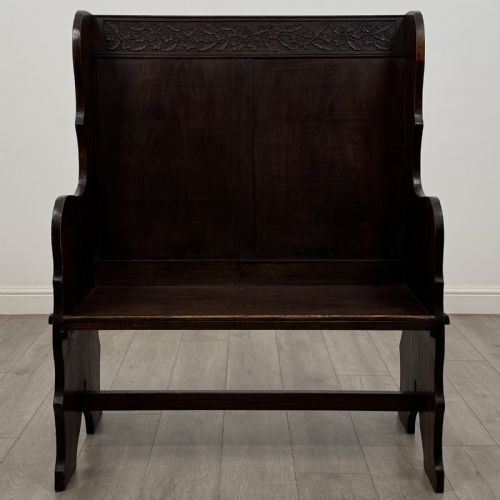
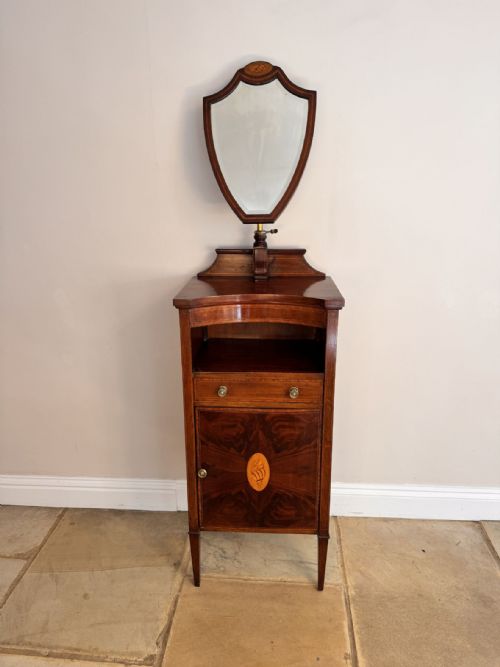
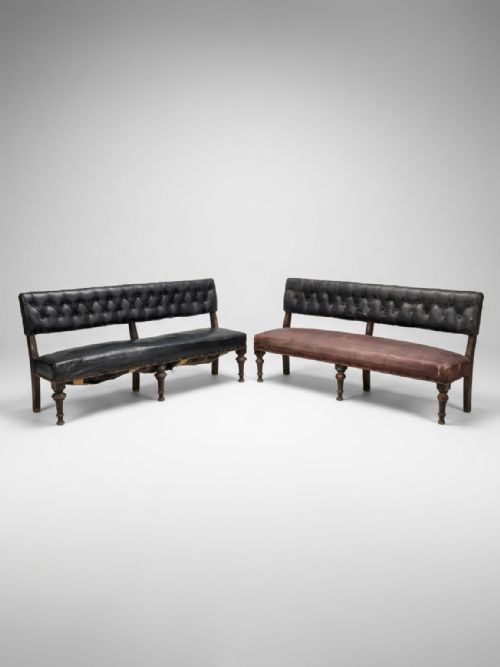
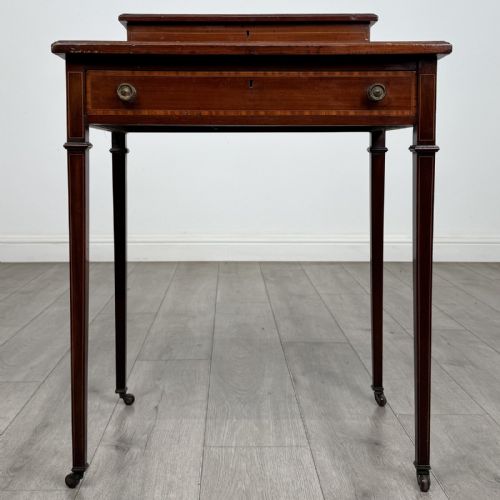
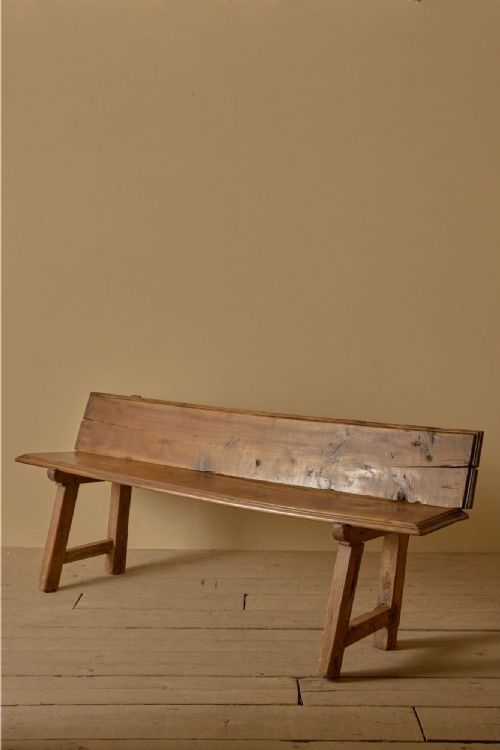
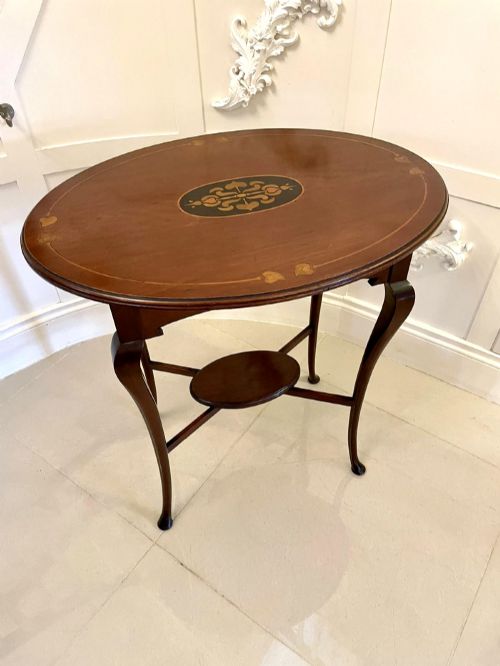
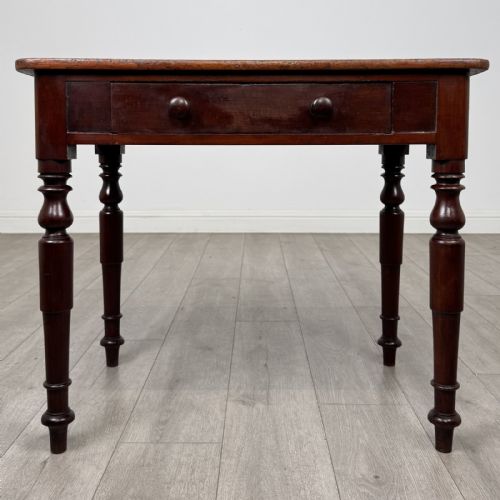
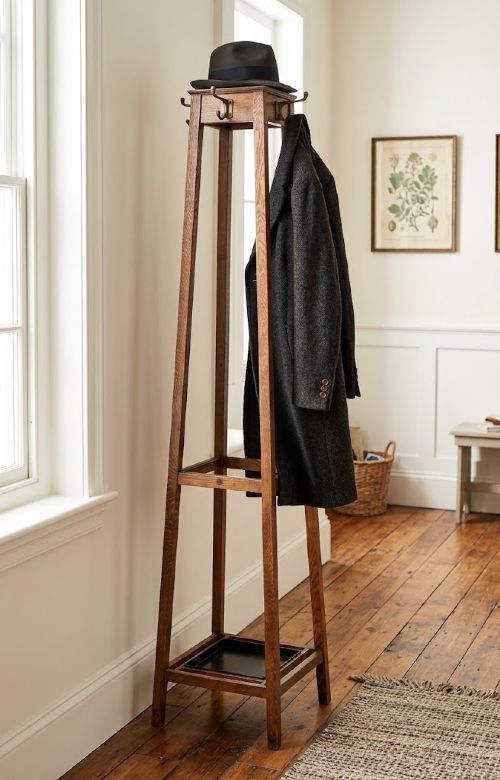
Seating takes multiple forms, including monks benches with fold-over tops, simple rustic settles, and dedicated hall seats with lift-up storage compartments. Alongside these sit coat stands, hall stands with integrated mirrors, and side tables intended for a hallway or landing.
Materials and construction
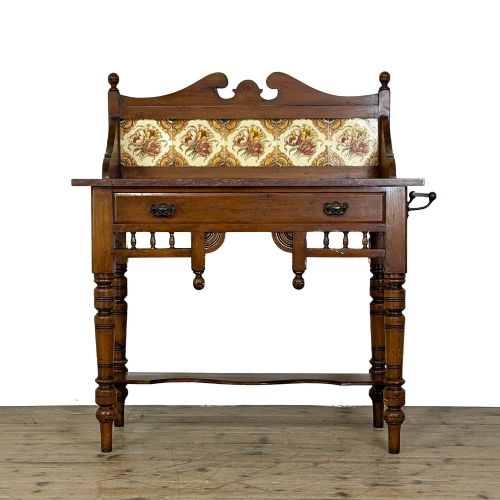
Makers relied primarily on hardwoods such as solid oak, mahogany, and walnut, often selecting them for durability in high-traffic entryways. Secondary elements incorporate cast iron, brass, and metal for umbrella drip trays and coat hooks, while glass and marble appear on console tables, washstands, and mirror backs.
Joinery methods reflect the period of manufacture, utilising traditional carpentry techniques suited to heavy daily use. Carved details, parcel gilding, bentwood shaping, and bobbin-turned legs reveal the stylistic preferences of Victorian, Edwardian, and Arts and Crafts workshops.
The furniture spans multiple eras from the 18th century through the Victorian and Edwardian periods into the 1930s.
Evaluating craftsmanship
Quality in these entryway pieces rests on the integrity of the timber and the honesty of the construction. Solid oak and mahogany retain their structural stability better over decades of heavy use than softer woods or thin veneers.
The refinement of carved ornament and the integration of functional elements, such as fitted metal drip trays or secure mirror plates, separate standard utility pieces from exceptional examples.
Strahan and Co·Liberty
The Vintage Hall Furniture Glossary
- Hall stand
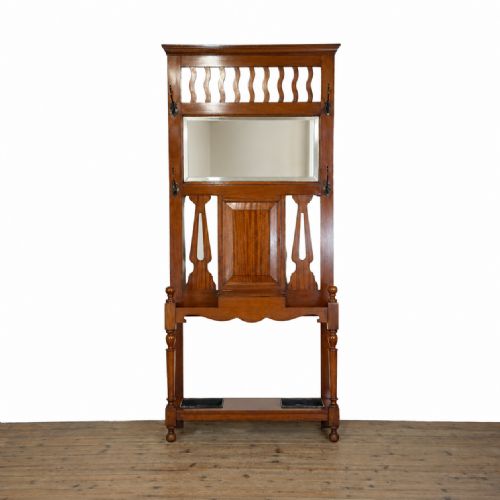
- A composite hall piece combining a mirror, coat hooks, a glove drawer, and umbrella wells into a single vertical structure. These items dominated Victorian and Edwardian hallways to handle outerwear.
- Monks bench
- A convertible seat featuring a hinged back that folds down onto the arms to form a table. This dual-purpose form dates back centuries and saw revival production in the early twentieth century.
- Umbrella stand
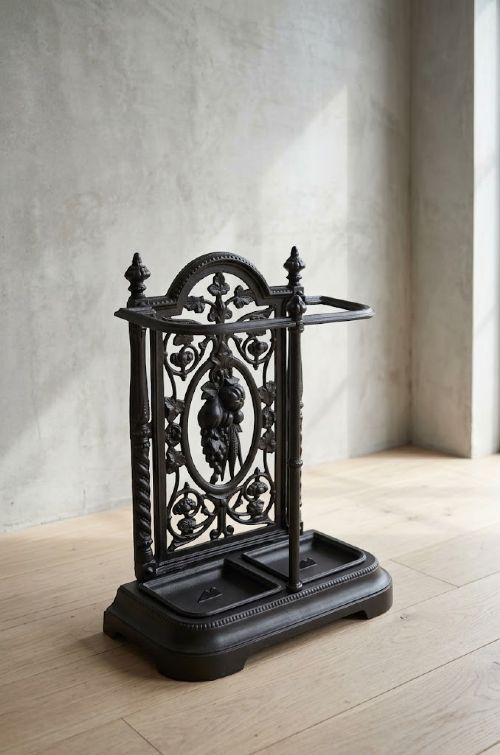
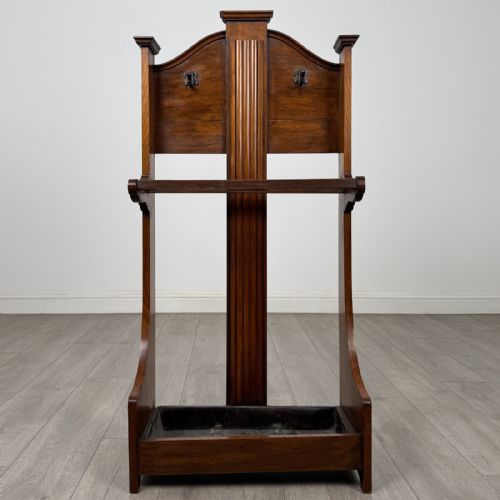
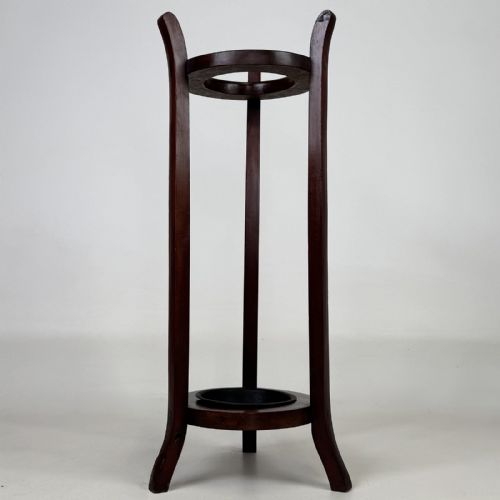
- A dedicated holder for walking sticks and umbrellas, commonly constructed from cast iron, bentwood, or carved oak. Many include original metal trays at the base to catch rainwater.
- Console table
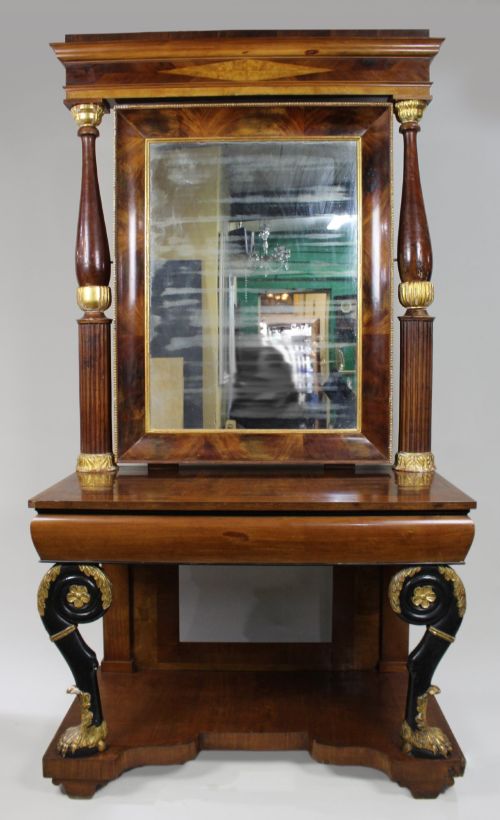
- A narrow table designed to stand flat against a wall, frequently paired with a matching mirror. They occupied hallways and reception rooms to hold post and small accessories.
- Bentwood
- Wood softened by steam and bent into curved shapes, notably utilised for lightweight coat and hat stands. This technique gained widespread popularity during the late nineteenth century.
Vintage Hall Furniture: Frequently Asked Questions
What fits in a narrow hallway?
Slim console tables, narrow umbrella stands, and compact benches or side tables suit restricted entranceways without blocking the passage.
Pieces with shallow depths allow for convenient surface space and storage while preserving floor area in smaller Victorian or Edwardian halls.
How were hall benches used?
Hall benches provided a place to sit while putting on or removing boots, with many incorporating lift-up seats or under-bench space to store shoes out of sight.
Monks benches added further versatility by converting into a small table surface when the back was folded flat.
Are umbrella stands waterproof?
Traditional umbrella stands generally feature removable metal drip trays or wells positioned at the base to catch moisture from wet sticks and rain gear.
These metal inserts protected the surrounding wooden or cast iron framework from water damage during daily use.
How do I date oak hall furniture?
Dating relies on stylistic clues, such as the geometric panels of Jacobean Revival pieces or the plant motifs and honest construction typical of Arts and Crafts design.
Hardware, joinery methods, and secondary timbers also offer clear indications of whether a piece originates from the Victorian era, the Edwardian period, or the early twentieth century.