

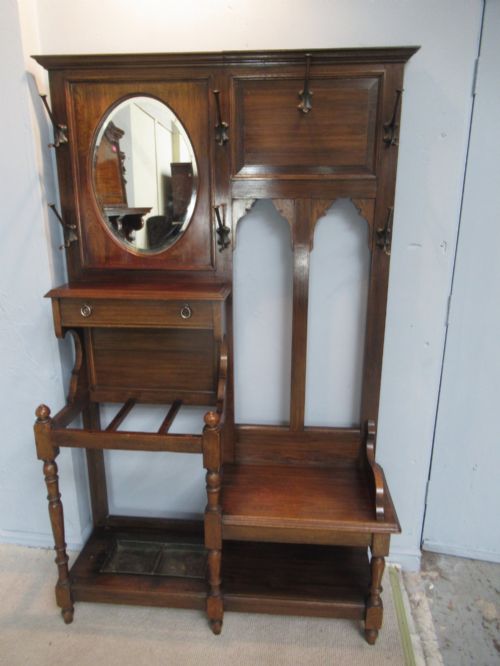
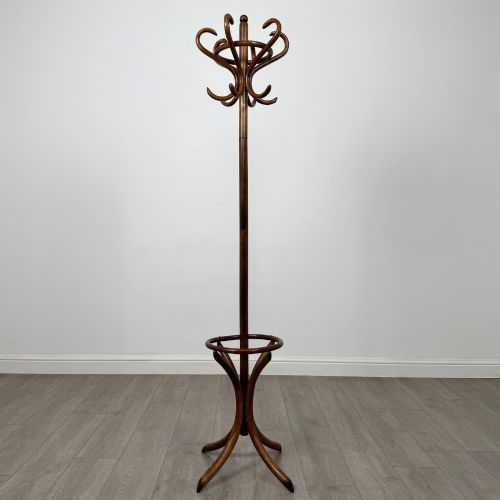
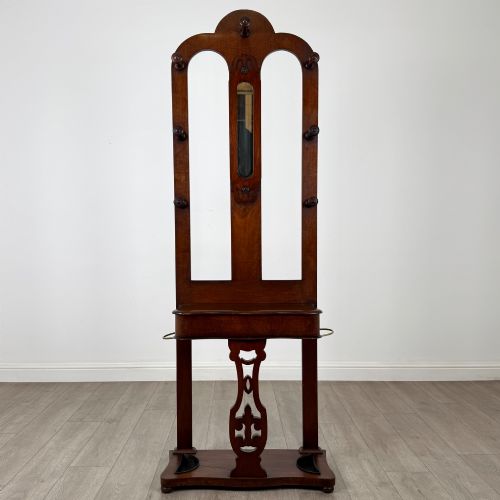
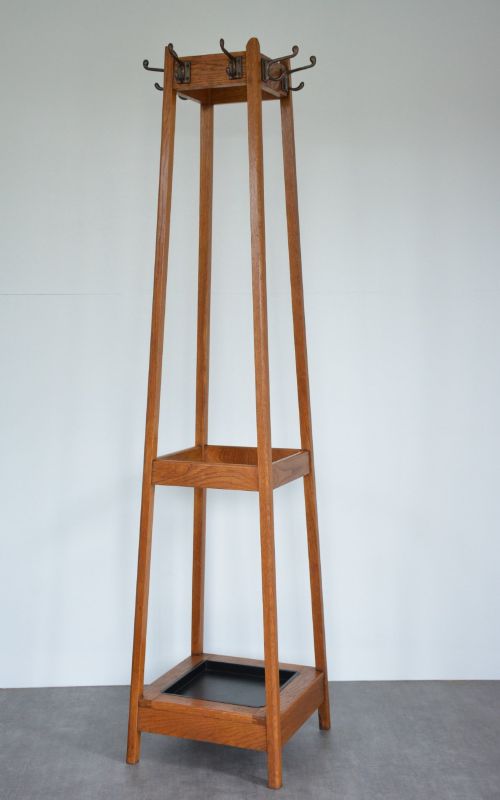
Vintage Hall Coat Stand
A vintage hall coat stand organises the entrance with timber, brass and iron built to hold hats, coats and umbrellas.
Vintage Hall Coat Stand
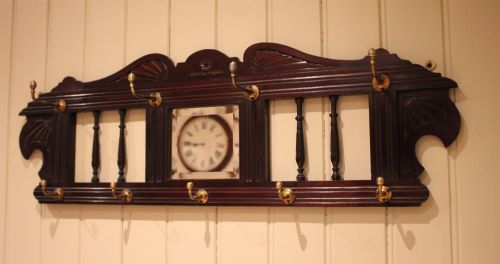
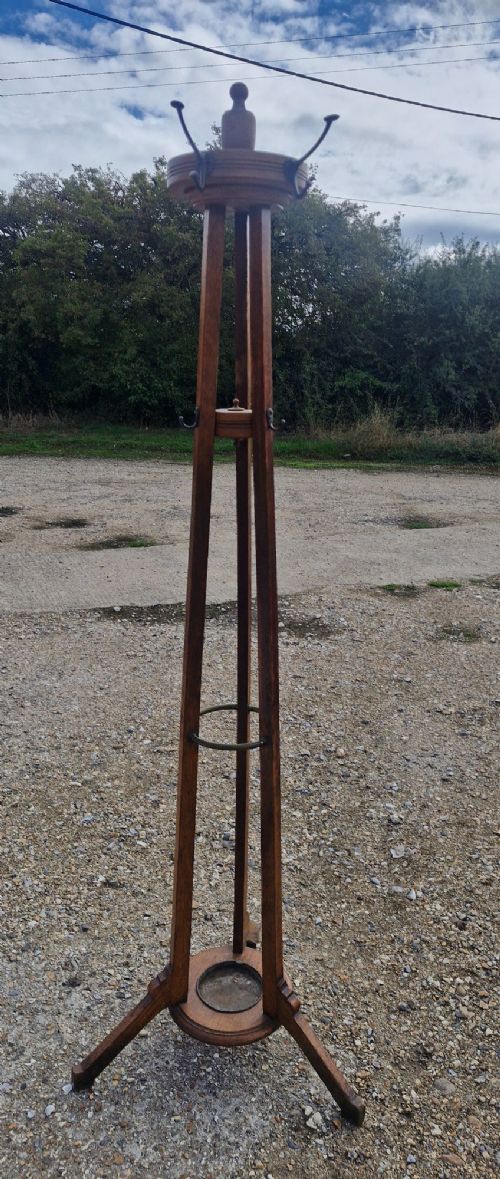
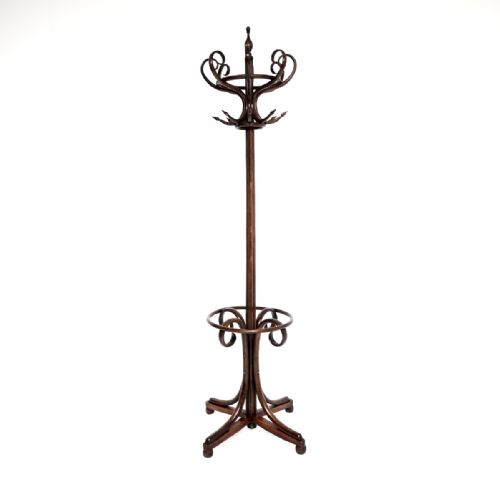
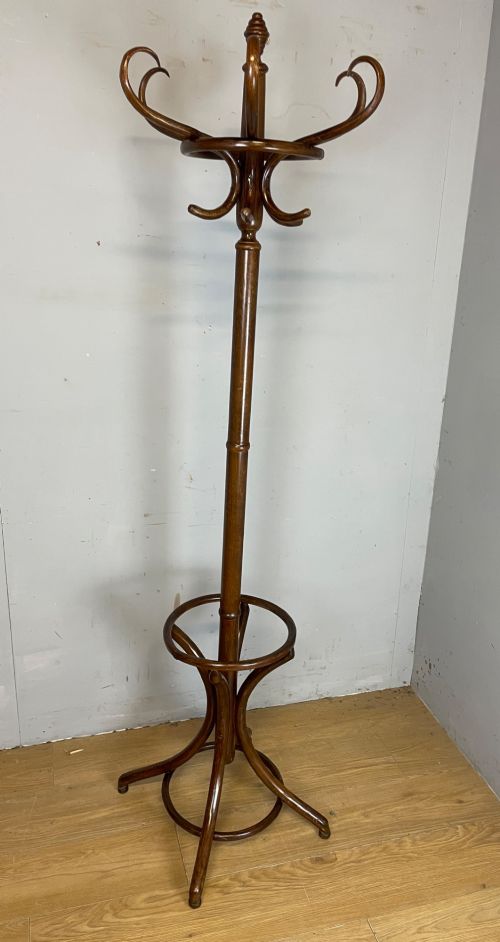
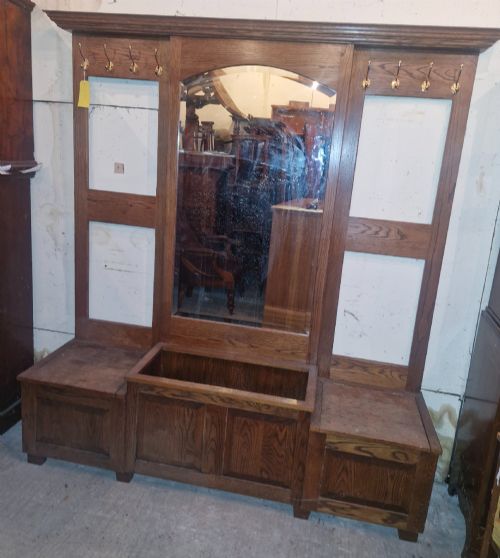
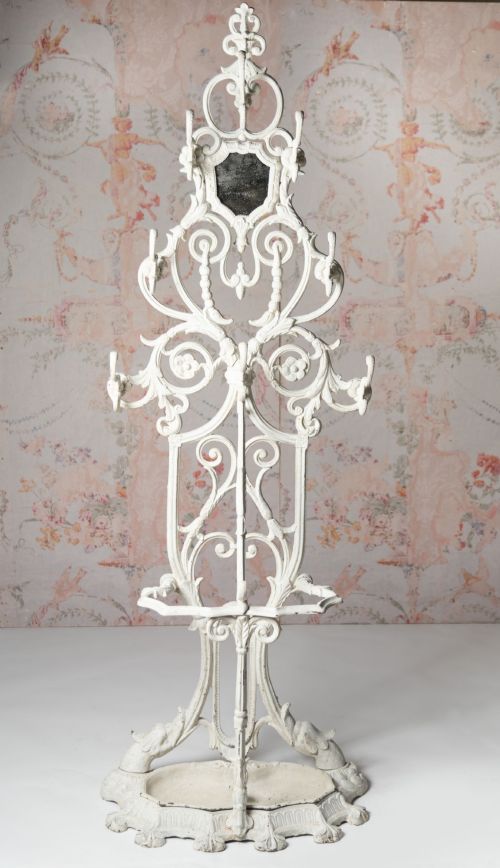
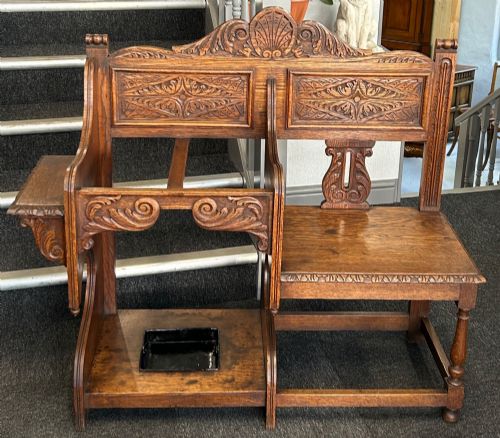
A vintage hall coat stand serves as the initial intercept for outdoor garments in the hallway, combining hanging space with umbrella storage and sometimes a seat. The pieces gathered under this heading range from freestanding bentwood poles to substantial oak hall seats.
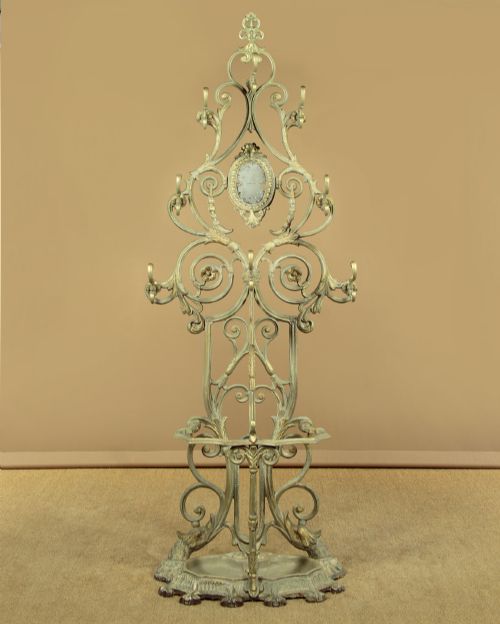
Most examples originate from the Victorian and Edwardian periods, stretching into the early twentieth century. Common forms include revolving hat stands, half-round designs for smaller spaces, and heavy cast iron frameworks fitted with drip trays.
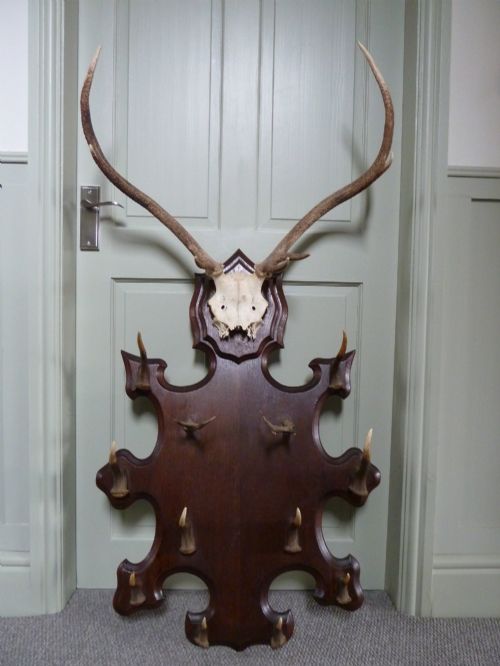
Makers utilised various timber species alongside metal and bamboo to construct these functional hallway items. Buyers encounter wall-mounted racks alongside large multi-functional furniture designed to dominate an entrance lobby.
How They Were Made
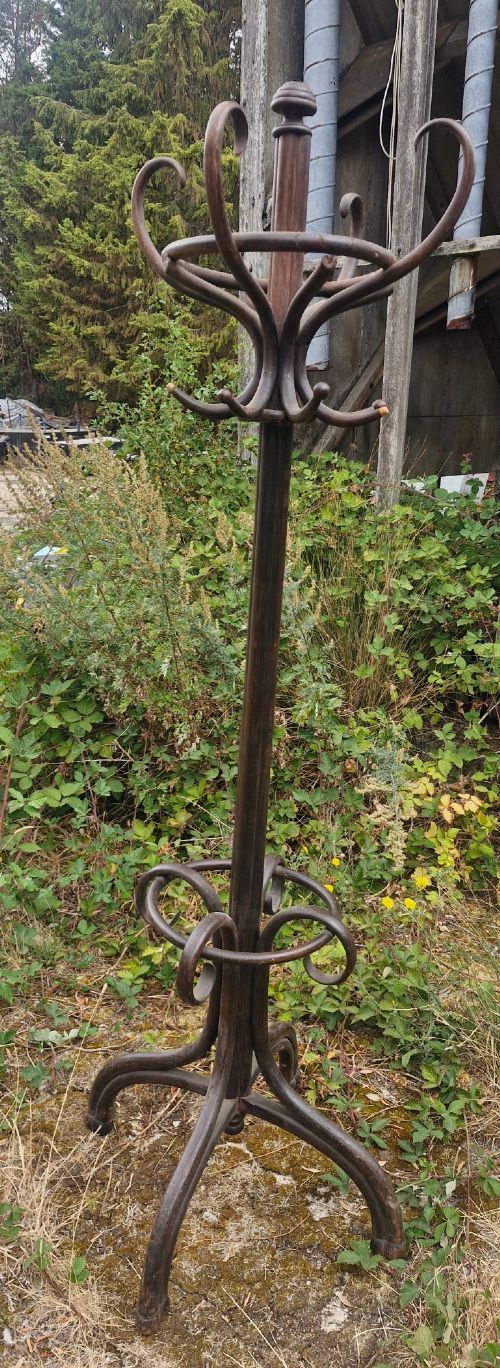
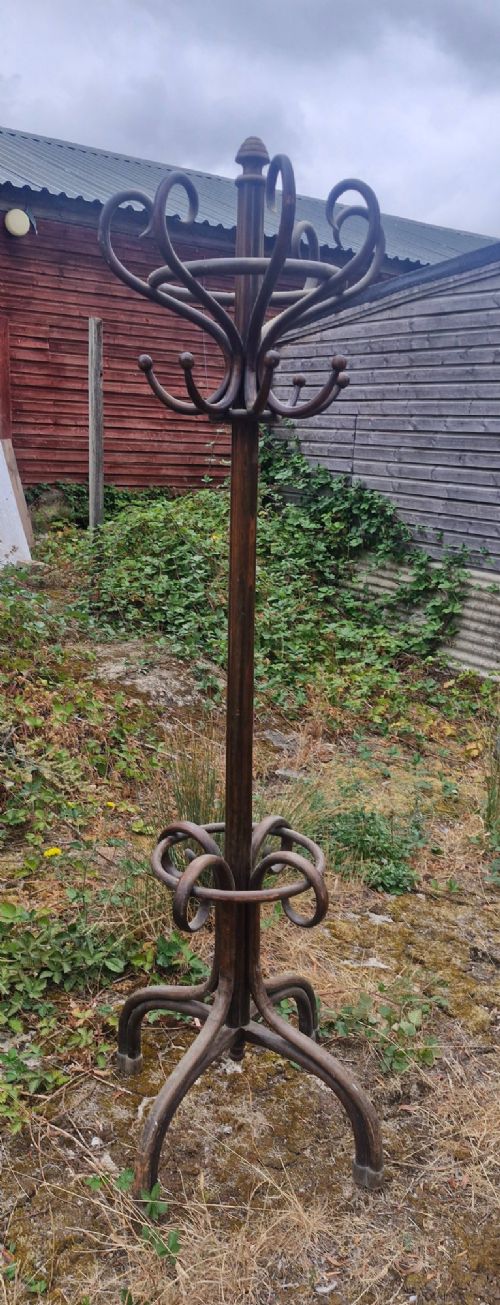
Makers shaped beech and beechwood through steam-bending techniques to produce the curved frames characteristic of bentwood coat stands. Solid oak and mahogany provided the structural integrity for heavier hall seats and architectural hat racks.
Metal components such as cast iron and brass formed structural frames, umbrella holders, and drip trays. Workshops also incorporated glass, stags horn, and bamboo into specific designs, particularly during the Aesthetic Movement and late nineteenth century.
Listings feature items spanning the Victorian and Edwardian eras up to the 1960s, constructed from oak, bentwood, brass, and cast iron.
What Varies in Quality
The standard of construction distinguishes robust hall furniture from lighter pieces, visible in the joinery of oak frameworks and the stability of bentwood stems. Heavy quality items maintain structural rigidity even when fully loaded with coats and heavy umbrellas.
Material selection dictates the finish and endurance of the piece, with dense hardwoods and well-cast iron outlasting softer timbers or thin metal. Original brass hooks, integrated drip trays, and retained manufacturer details elevate the integrity of the stand.
Thonet·J. Parker of Woodstock·Astrola
The Vintage Hall Coat Stand Glossary
- Bentwood
- Wood shaped by exposure to steam, allowing craftsmen to create curved structural components without joints. This technique defines many popular hat and coat stands.
- Hallstand
- A piece of hallway furniture combining coat hooks, hat storage, and frequently umbrella holders or a seat. These items serve multiple storage functions in an entrance.
- Demi Lune
- A half-moon shape used for hall stands designed to sit flush against a wall. This format suits narrow hallways and confined entry spaces.
- Drip Tray
- A metal basin positioned at the base of a stand to catch water from wet umbrellas. These trays protect surrounding flooring from moisture.
Vintage Hall Coat Stand: Frequently Asked Questions
What is a bentwood hall stand?
A bentwood hall stand utilises steam-bent beech or beechwood to create lightweight yet sturdy frames for hats and coats. These pieces often feature curved hooks and revolving top sections.
Originating in the nineteenth and early twentieth centuries, they offer a distinct curvilinear aesthetic suited to compact or open hallways alike.
How do I choose a hall stand for a small space?
Half-round or wall-mounted designs fit flush against entry walls and take up minimal floor area. Demi lune bentwood stands and slim racks provide hanging storage without blocking narrow passages.
Measuring the available clearance ensures the umbrella holders and protruding coat hooks do not obstruct the doorway.
What materials were used in vintage hall stands?
Construction materials primarily include oak, mahogany, beech, and cast iron, supplemented by brass fittings and glass elements. Some Victorian examples incorporate bamboo or stags horn for decorative effect.
Metal drip trays and umbrella rings are typically integrated into the base of wooden and iron frames to manage wet weather gear.
How do I care for an oak hall stand?
Maintain the timber by applying appropriate furniture wax periodically to nourish the oak grain and protect the surface from moisture. Avoid placing damp items directly onto unsealed wood surfaces.
Check that wall attachments and base fixings remain secure to support the weight of heavy winter coats and umbrellas.