


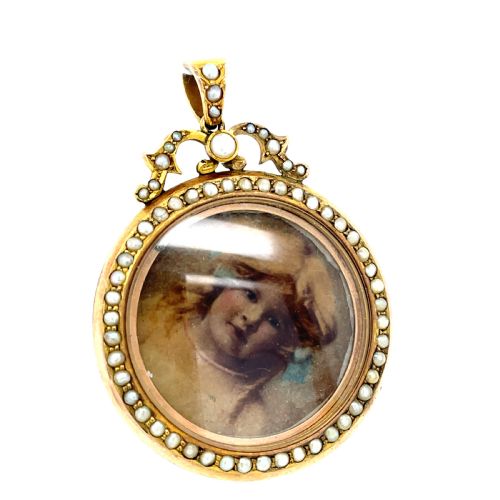
Vintage Gold Picture Locket
A vintage gold picture locket holds your dearest portraits inside precious metal, bringing personal history close to the heart.
Vintage Gold Picture Locket
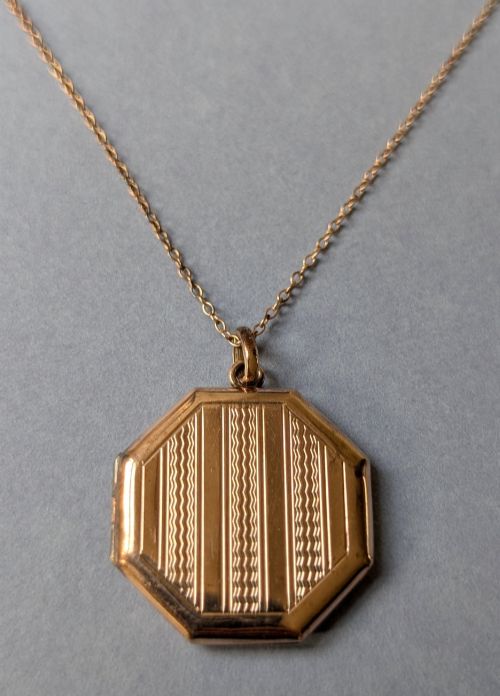
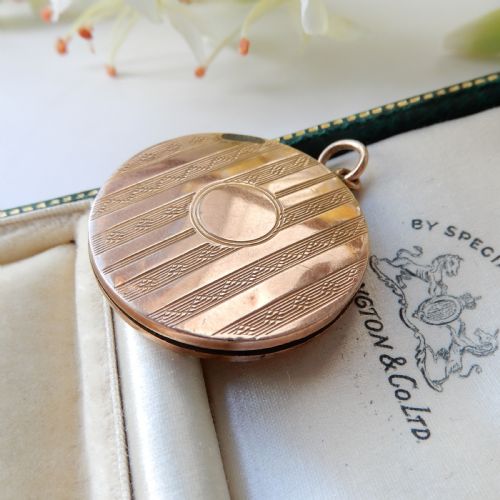
A vintage gold picture locket is a hinged pendant designed to hold miniature portraits, photographs, or hair mementos, combining personal sentiment with portable art. When you search for this phrase, you encounter pieces that span the nineteenth century through the mid-twentieth century, capturing the evolution of romantic and commemorative jewellery.
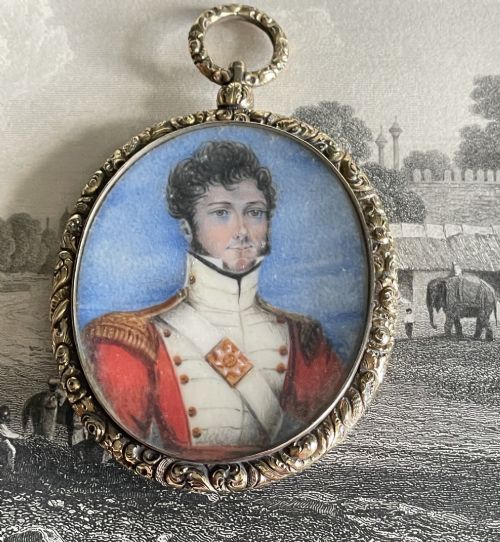
Many items function as both pendants and lockets, housing everything from family photographs in rolled gold four-photo family designs to delicate portrait miniatures. Anglo-Indian portrait pieces and Welsh dragon commemorative items also appear, demonstrating the wide cultural scope of these wearable keepsakes.
How they were made
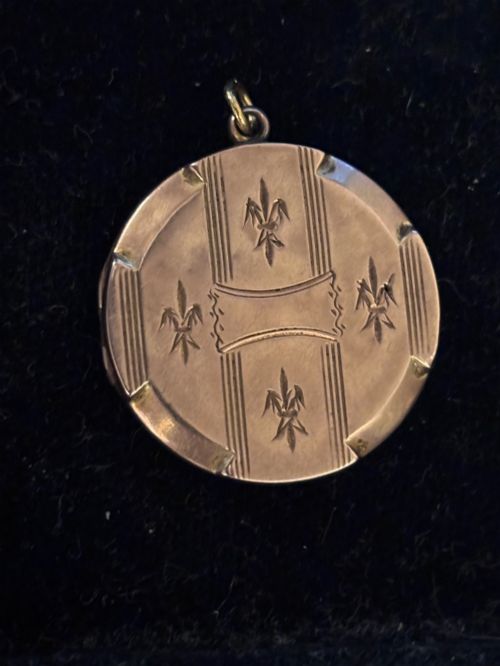
These pieces rely on the manipulation of precious metals, predominantly 9ct and 18ct yellow gold, alongside gilt metal and rolled gold constructions. Goldsmiths shaped the metal through casting, stamping, and meticulous hand-engraving, creating detailed motifs such as flower baskets, swallow birds, and sunbursts.
Internal compartments required precise hinge and bezel work to secure glass covers, miniature watercolours, and photographic inserts safely. Stones such as turquoise, emeralds, and pearls were flush-set or mounted in collets to accent the exterior casework without compromising the locket's opening mechanism.
Swallows and flower baskets flutter across nineteenth-century gold, ready to carry messages of affection straight to the wearer's chest.
What varies in quality
The distinction between standard production and exceptional craftsmanship lies in the depth and crispness of the chasing and engraving. Pieces with hand-carved floral patterns or intricate cast details like the Welsh dragon and Caernarfon castle display a sculptural fidelity absent in simpler stamped metal versions.
Material composition and structural integrity also divide the range, moving from base metal and rolled gold back-and-front constructions to solid 18ct yellow gold frameworks. The precision of the hinge closure and the clarity of the original bevelled glass panes further determine the calibre of the piece.
The Vintage Gold Picture Locket Glossary
- Back and front
- A construction method where the exterior plates are made of solid gold while the internal components and walls utilise a base metal core for structural strength.
- Rolled gold
- A material formed by bonding a sheet of gold to a base metal core under heat and pressure, offering the appearance of solid gold with greater durability.
- Portrait miniature
- A small, highly detailed painting, often on ivory or vellum, housed within a protective locket frame to be worn close to the body.
- Bezel
- The grooved collar or rim that holds glass, stones, or portrait miniatures securely in place within the locket face.
- Collet
- A raised collar of metal that surrounds and secures a gemstone, pearl, or glass panel onto the surface of the pendant.
Vintage Gold Picture Locket: Frequently Asked Questions
What is a back and front locket?
A back and front locket uses solid gold for the visible exterior panels while employing a base metal core for the internal framing and walls. This technique provided the appearance and wear resistance of solid gold at a more accessible weight and cost.
Such pieces remain robust for daily wear while retaining the precious metal finish on the surfaces that touch the skin and clothing.
How do I open an old photo locket?
Most pieces feature a tiny thumbnail notch along the side seam where a fingernail or thin blade can gently release the snap-fit hinge. Care should be taken with Edwardian and nineteenth-century examples to avoid straining the original gold or gilt metal hinges.
Internal glass bezels often lift out via small tabs to allow the safe placement of miniature photographs or watercolours.
What do turquoise and pearls signify in Victorian lockets?
Turquoise stones in nineteenth-century jewellery frequently symbolised forget-me-not sentiments, fidelity, and successful partnership. Pearls were similarly chosen to represent purity, tears of joy, or affectionate regard.
Combined with yellow gold and portrait miniatures, these stones turned wearable items into deeply personal testaments of love and remembrance.
Can I wear a vintage locket every day?
Solid 18ct and 9ct gold lockets handle regular wear well, provided the hinge and clasp mechanisms remain secure. Rolled gold and gilt metal versions require more gentle treatment to preserve the thin precious metal surface layer.
Removing the pendant before swimming, sleeping, or strenuous activity prevents unnecessary strain on the delicate glass covers and internal picture frames.