





Vintage Gold Pearl Studs
Vintage gold pearl studs are classic items of jewellery, combining precious metal and lustrous pearl for everyday elegance.
Vintage Gold Pearl Studs
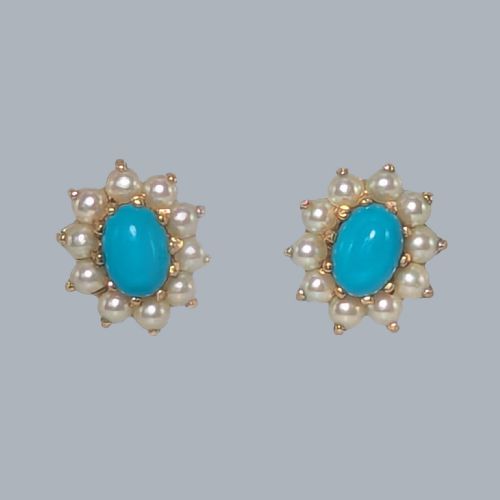
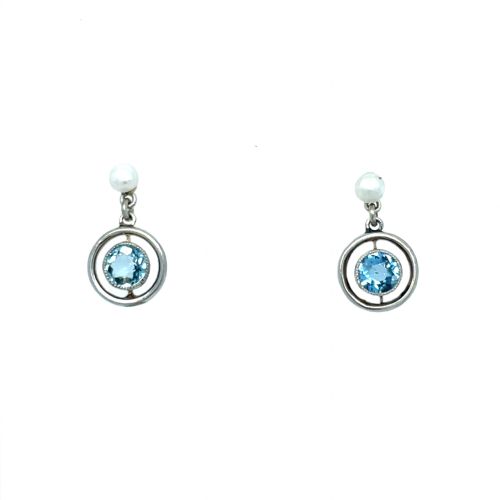
Vintage gold pearl studs and related earrings span several eras, including Victorian, Edwardian, Retro and Mid-Century periods. Buyers searching for vintage gold pearl studs encounter items ranging from simple cluster earrings to drop styles, screw backs and clip-on fasteners.
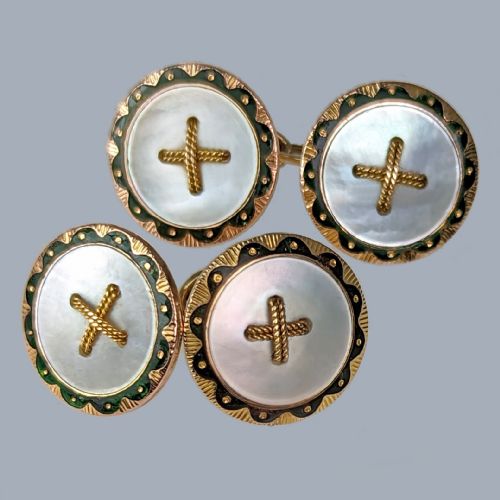
The selection includes variations featuring other gemstones alongside pearls, such as diamonds, turquoise, garnets, coral and mother of pearl. These pieces originate from different decades of the nineteenth and twentieth centuries, showing distinct stylistic influences from the Belle Epoque to Mid-Century Modern.
How they were made
Items are constructed using various grades of gold, including 9ct, 14ct and 18ct yellow and white gold, alongside platinum in certain Edwardian examples. Pearls are set into these precious metal mountings, sometimes accompanied by diamonds, paste or enamel work.
Earrings and cufflinks utilise different backing types to secure the piece, such as screw backs, omega backs, clip-on mechanisms and traditional post fittings. Hallmarks appear on several items to indicate the metal purity and origin of manufacture.
The inventory includes items from the Victorian, Edwardian, 1940s, 1950s and 1960s periods, made in various gold purities and mother of pearl.
What varies in quality
The choice of gold carat and the inclusion of secondary stones like diamonds or sapphires influence the overall character of each piece. Superior examples display precise gemstone setting and well-preserved metalwork across the mountings and clasps.
The uniformity and lustre of the pearls, whether mabe, split or faux, contribute to the visual distinction of the item. Craftsmanship evident in hallmarked pieces and detailed cluster arrangements separates standard items from finer specimens.
Solomon Blanckensee Son·Christian Dior
The Vintage Gold Pearl Studs Glossary
- Mabe pearl
- A cultured blister pearl that is hemispherical in shape, often set into a prominent gold surround. These larger pearls create a bold profile on vintage earrings.
- Split pearl
- A natural pearl that has been sawn in half, commonly used in Victorian and Edwardian cluster jewellery. They sit flat against the gold backing plate.
- Omega back
- A hinged clip closure shaped like the Greek letter omega, used on non-pierced or heavier earrings to secure them to the earlobe.
- Hallmark
- An official stamp applied to precious metals indicating purity and assay office origin. These marks help verify the age and metal content of British items.
- Paste
- Hand-cut glass used as a gemstone substitute in antique and vintage jewellery. It provides sparkle without using precious stones.
Vintage Gold Pearl Studs: Frequently Asked Questions
What periods do these earrings come from?
The pieces span the Victorian, Edwardian, Retro and Mid-Century eras, with items dating from the nineteenth century through to the 1960s.
Different decades brought distinct design preferences, moving from ornate floral clusters to clean mid-century modern lines.
Are all the fastenings for pierced ears?
No, the selection includes a variety of mechanisms to suit different preferences. You will find standard posts alongside screw backs, omega backs and clip-on fittings.
These alternative fastenings were common in older jewellery to accommodate non-pierced ears.
What metals are used in these pieces?
Gold is the primary metal, found in 9ct, 14ct and 18ct yellow and white variations. Platinum also appears in certain Edwardian mountings alongside gold elements.
Some items incorporate gold plating over base metal, particularly in mid-century fashion pieces.
Do the pearls differ between items?
Yes, pieces feature several types of pearl including mabe pearls, split pearls, South Sea pearls and faux varieties. Mother of pearl is also utilised in specific cufflinks and dress studs.
Each pearl type creates a different visual weight and texture within the overall design.