
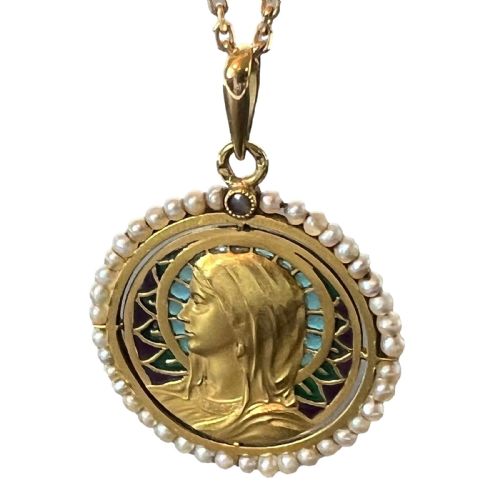


Vintage Gold Medallion Pendant
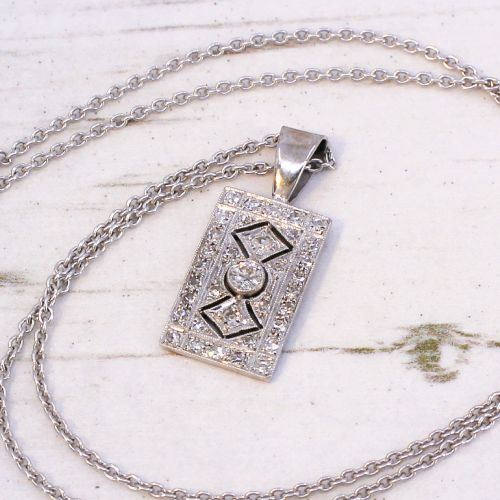
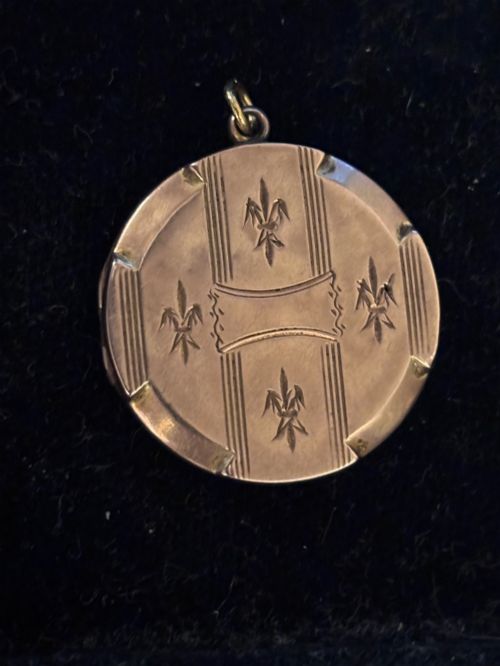
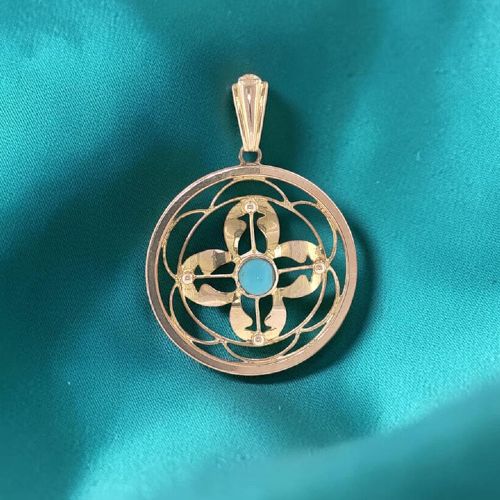
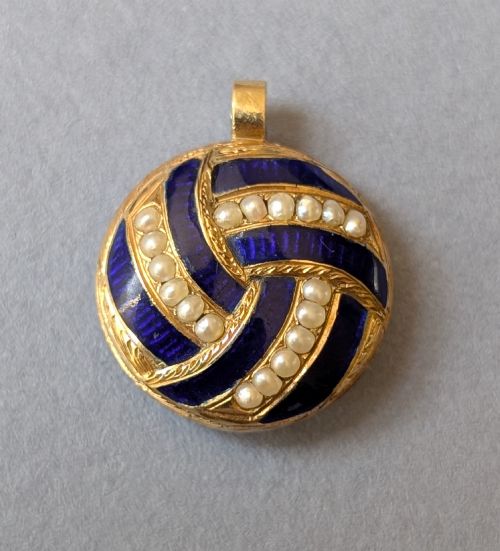
A vintage gold medallion pendant brings history to the neckline, offering miniature artistry cast in precious metal.
Vintage Gold Medallion Pendant
A vintage gold medallion pendant unites portraiture, devotion and personal sentiment within a wearable golden frame. Searching for this phrase reveals pieces that function as both miniature sculpture and personal talisman.
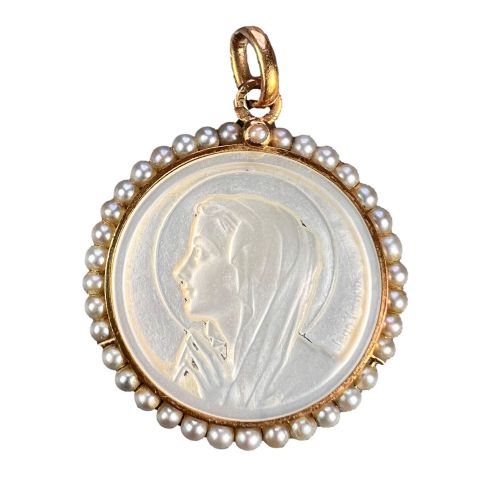
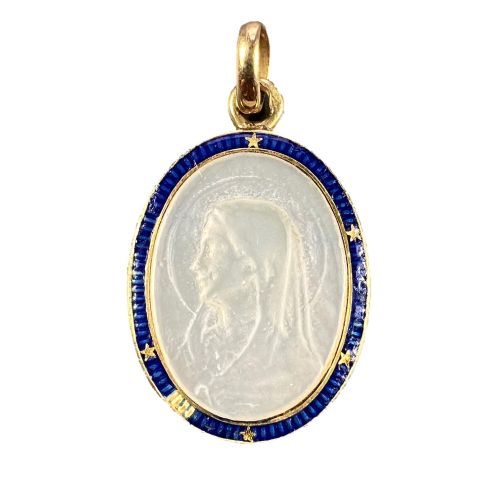
The versions most commonly met on this page are French religious medals and lockets originating from the late Victorian, Edwardian and Art Deco periods. These items frequently display detailed depictions of the Virgin Mary, saints or symbolic motifs.
Makers shaped these discs in yellow, rose and white gold, often incorporating enamel or pearl accents. Such pieces serve as enduring keepsakes that combine high craftsmanship with deep personal meaning.
Materials and Construction
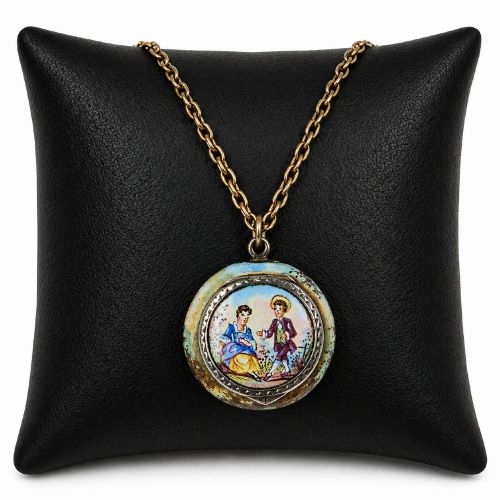
Makers utilised 18ct yellow, rose and white gold alongside 9ct gold to strike and cast these medallions. Enamel work, specifically translucent plique-à-jour, added vivid colour to the metallic surfaces.
Goldsmiths set diamonds, seed pearls, turquoise and mother of pearl into frames and onto the faces of the charms. Delicate wirework, engraving and hand-carving defined the intricate borders and relief scenes.
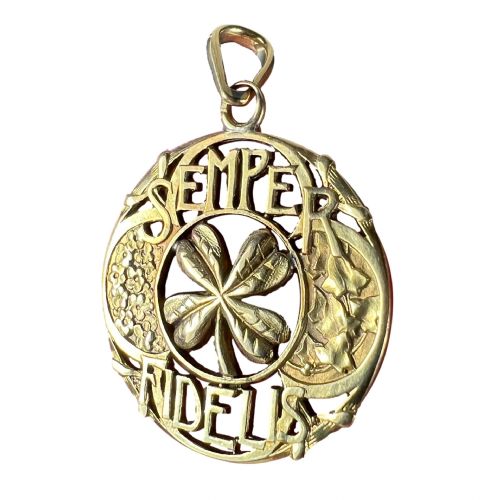
Among the religious figures and lucky clovers, one pendant preserves the spirit of the hunt with a detailed deer hunting horn.
Distinctions in Quality
The standard of engraving and the crispness of the relief work distinguish finer medallions from simpler castings. Signed pieces bearing the marks of known artists show superior attention to detail.
The preservation of delicate enamel and the integration of precious stones elevate certain examples. Weight and the quality of the surrounding gold frame also mark the division between standard production and exceptional work.
Emile Monier·Paul Brandt·Perroud·Mazzoni·Pageli Perriat·Guilbert·Vernon·Emile Dropsy·Sellier·Rasumny·Tairac
The Vintage Gold Medallion Pendant Glossary
- Plique-a-jour
- Enamelling technique where enamel is applied within a cell framework without a backing, allowing light to shine through the transparent or translucent colour.
- Medallion
- A large medal-shaped pendant, usually struck in metal and worn around the neck to commemorate a person, event or religious figure.
- Locket
- A small ornamental case worn on a chain around the neck, designed to hold a photograph, lock of hair or other memento.
- Enamel
- A decorative substance made of melted glass applied to metal surfaces through high-heat firing to create durable colour.
- Charm
- A small decorative pendant attached to a bracelet or necklace, often bearing symbolic or personal significance.
Vintage Gold Medallion Pendant: Frequently Asked Questions
What is a vintage gold medallion pendant?
A vintage gold medallion pendant is a decorative metal disc worn around the neck, often featuring relief portraits, religious iconography or symbolic engraving from periods such as the Victorian era and the early twentieth century.
These pieces were produced as devotional items, commemorative medals or personal lockets by skilled goldsmiths using high-karat yellow, rose and white gold.
How were religious medallions used?
Religious medallions were worn close to the heart as visible expressions of faith, protection and devotion. Owners often acquired them for specific milestones, holy sacraments or travels.
Many of these pendants served as daily talismans, carrying inscriptions or images of patron saints and sacred figures.
How should I care for enamel and gold pendants?
Enamel and gold jewellery requires gentle handling to protect delicate surfaces and glasswork from impact or harsh chemicals. Store each piece separately in a soft pouch to avoid scratching the metal or precious stones.
Clean the item using a soft cloth and warm soapy water, avoiding abrasive dips that could damage the enamel or pearl elements.
How can I tell the period of a pendant?
The style of the artwork, the type of metal hallmarks and the specific techniques used offer clear clues to a pendant's age. Art Deco pieces display geometric lines, while Victorian and Edwardian examples lean towards organic motifs and detailed engraving.
Maker signatures stamped onto the metal surface also help pinpoint the exact workshop and decade of creation.