

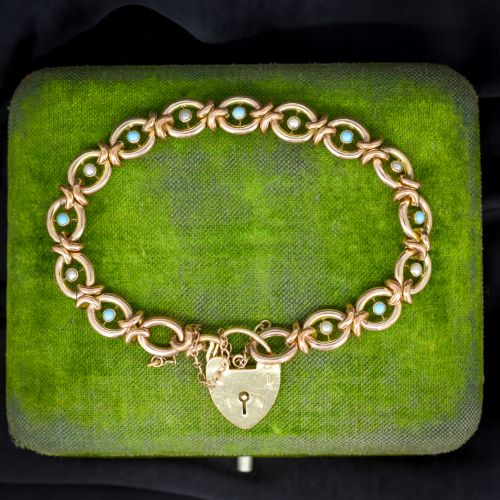
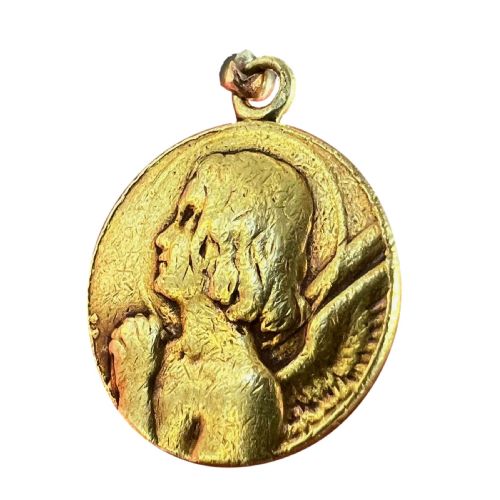
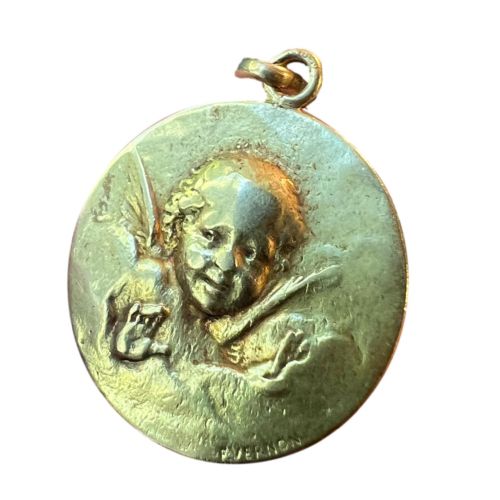
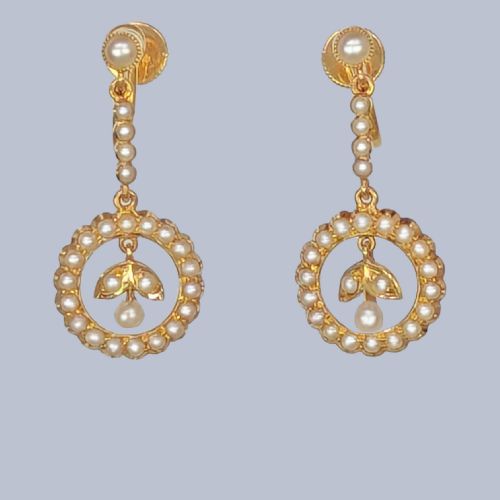
Vintage Gold Jewelry
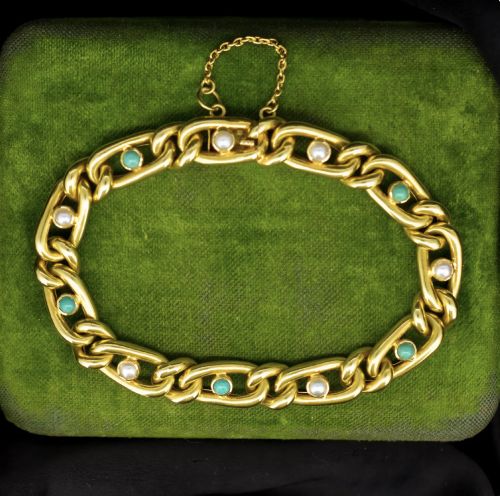
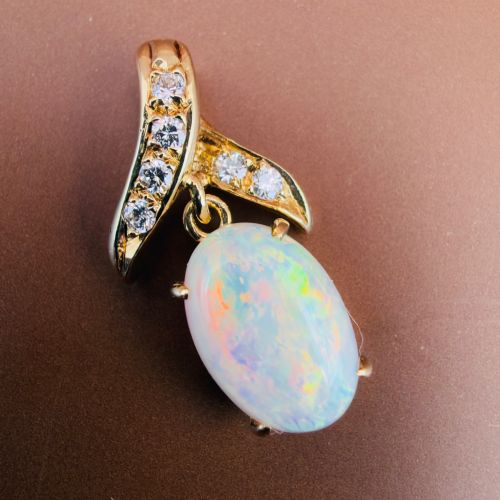
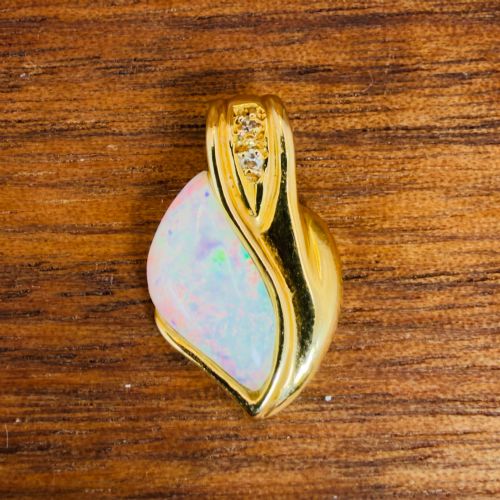
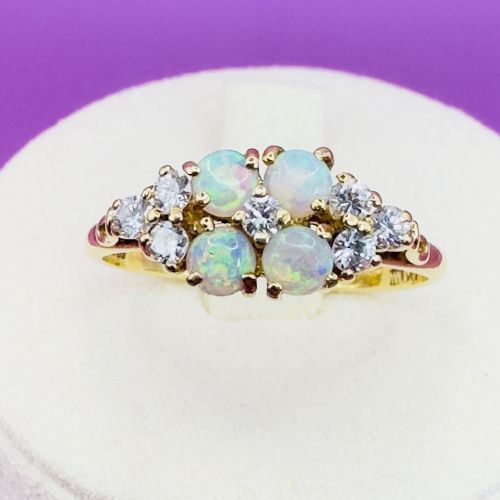
Vintage gold jewellery spans rings, pendants, earrings and bracelets shaped through Edwardian, Art Deco and mid-century decades.
Vintage Gold Jewelry
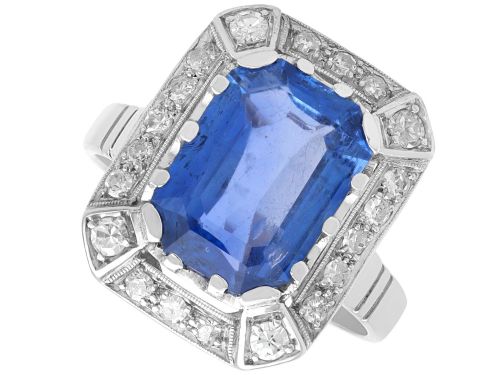
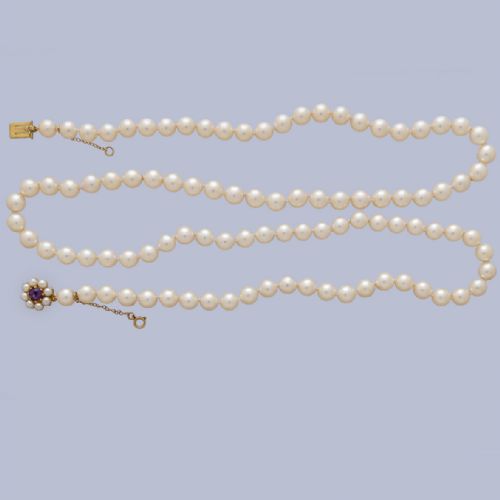
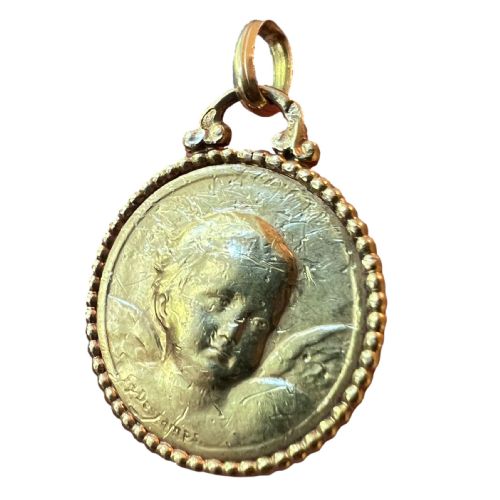
Vintage gold jewellery encompasses a diverse range of decorative personal adornments, including rings, pendants, bracelets, earrings, necklaces, brooches, and charms. When exploring vintage gold jewellery, buyers encounter items fashioned in yellow gold, white gold, rose gold, and platinum across various design movements.
The selections span distinct periods such as the Edwardian era, Art Nouveau, Art Deco, Retro, and Mid-Century Modern. Rings and cluster designs set with diamonds, sapphires, emeralds, rubies, and pearls appear frequently alongside chains, lockets, and cufflinks.
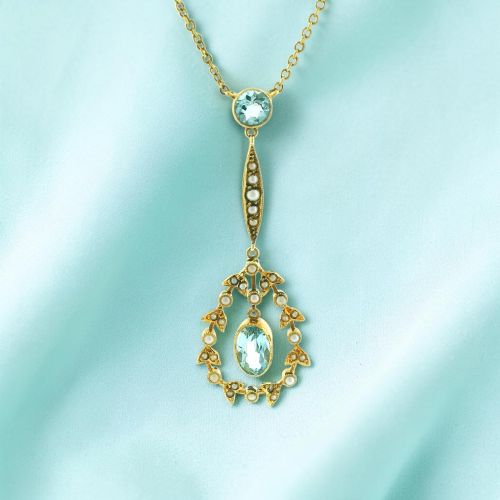
Pieces range from delicate Edwardian filigree work to chunky mid-century rope bracelets and textured bark-effect bands. Origins include British workshops as well as continental European makers, incorporating gemstones like aquamarine, zircon, amethyst, topaz, garnet, and peridot.
How they were made
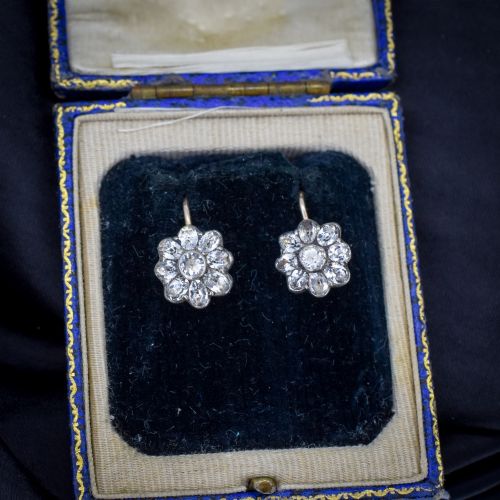
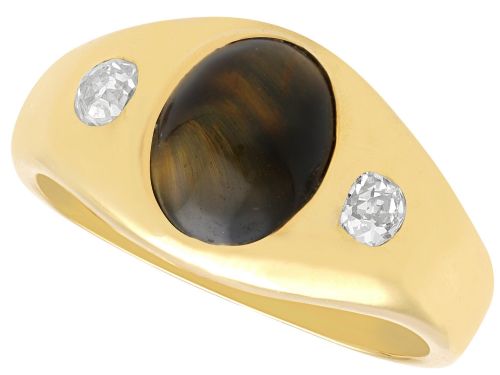
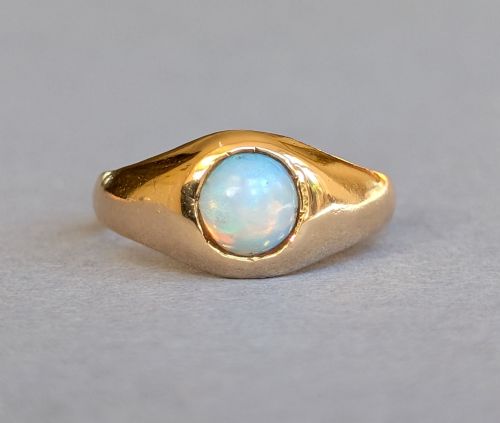
Goldsmiths utilised varying purities of gold, predominantly nine-carat, fourteen-carat, and eighteen-carat yellow, white, and rose gold, frequently pairing the metal with platinum settings for secure gemstone retention. Gemstones including old-cut and old-mine diamonds, rubies, emeralds, sapphires, opals, and pearls were hand-set into intricate cluster, navette, and trilogy arrangements.
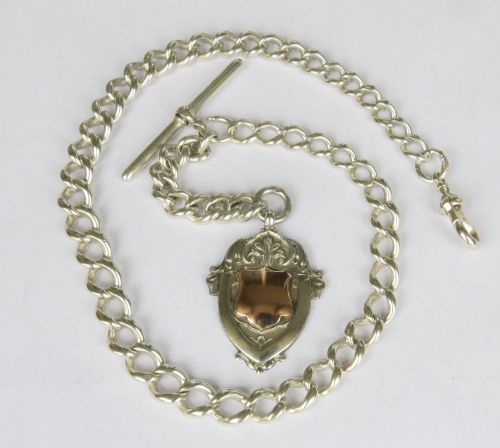
Construction techniques combine cast and hand-assembled components, visible in hollow chain links, solid padlocks, twisted rope work, and engraved bark-effect surfaces. Structural elements like double albert watch chains, T-bars, safety clasps, and millegrain edges demonstrate traditional bench skills.
Vintage Gold Jewelry Retail Price Guide 2026
Typical asking prices for vintage gold jewelry among the pieces listed under this phrase on Sellingantiques today, from the lower quarter to the upper quarter. They describe what is for sale here now, not the wider market.
What varies in quality
The standard of execution depends on the precision of the stone setting, the weight and durability of the metal, and the crispness of decorative details such as engraving and filigree work. Superior examples display secure claw or bezel settings that hold stones firmly without distortion to the surrounding metal.
Design complexity and the selection of materials also differentiate items, with balanced cluster proportions, well-matched gemstone pairings, and intact maker marks or hallmarks indicating superior provenance and manufacture.
Murrle Bennett·Cartier
The Vintage Gold Jewelry Glossary
- Trilogy ring
- A ring featuring three main gemstones set in a row, traditionally symbolising the past, present, and future. These settings frequently incorporate diamonds alongside sapphires or emeralds.
- Navette cluster
- A boat-shaped gemstone arrangement that tapers to points at either end, popular in Edwardian and Art Deco designs. This silhouette lengthens the appearance of the finger.
- Old-cut diamond
- A hand-faceted diamond cut before modern optical standards were established in the twentieth century. These stones exhibit smaller tables and broader facets that catch candlelight effectively.
- Millegrain
- A decorative technique involving a row of tiny raised metal beads along the edge of a setting. This method softens harsh metal lines and adds texture to platinum or gold mounts.
- Albert chain
- A heavy watch chain designed to be secured through a waistcoat buttonhole, featuring a T-bar at one end. These chains are frequently worn today as necklaces or bracelets.
Vintage Gold Jewelry: Frequently Asked Questions
How do I clean vintage gold jewelry?
Clean items gently using warm water and mild washing-up liquid with a soft brush to remove accumulated oils from daily wear. Avoid harsh chemical dips, particularly on pieces containing pearls, opals, or emeralds.
Dry thoroughly with a lint-free cloth before storing each piece separately in a fabric-lined box to prevent scratching between items.
What is the difference between yellow gold and white gold?
Yellow gold is an alloy of pure gold combined with metals like copper and silver to provide strength and warmth of colour. White gold mixes pure gold with white metals such as palladium, silver, or nickel, and is frequently plated with rhodium for a bright finish.
Both alloys were utilised across different decades, with white gold and platinum gaining particular prominence during the Art Deco period.
How can I date vintage gold jewelry?
Dating relies on hallmarks, maker marks, metal types, and stylistic characteristics specific to eras like Edwardian, Art Deco, or Mid-Century Modern. Examining the cut of the diamonds and the construction methods provides further chronological clues.
Official assay office marks on British pieces often include specific letters denoting the year of testing and certification.
Are vintage rings suitable for daily wear?
Many sturdy rings from Edwardian and mid-century periods withstand regular daily use if checked periodically by a professional jeweller for claw wear. Items featuring softer gems like opals, pearls, or emeralds require greater care and caution during strenuous manual tasks.
Removing rings prior to swimming, gardening, or heavy lifting preserves the structural integrity of the setting and stones.