



Vintage Gold Cluster Charm
A vintage gold cluster charm gathers coloured gems and diamonds in compact settings, offering a pocket of history ready for a chain.
Vintage Gold Cluster Charm
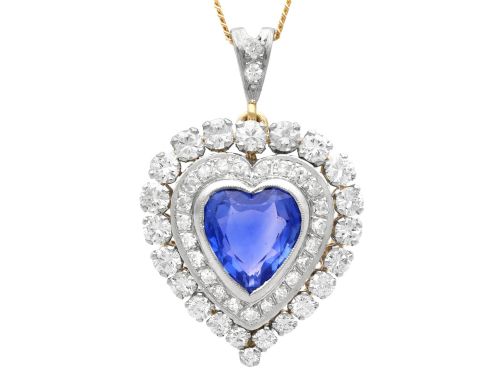
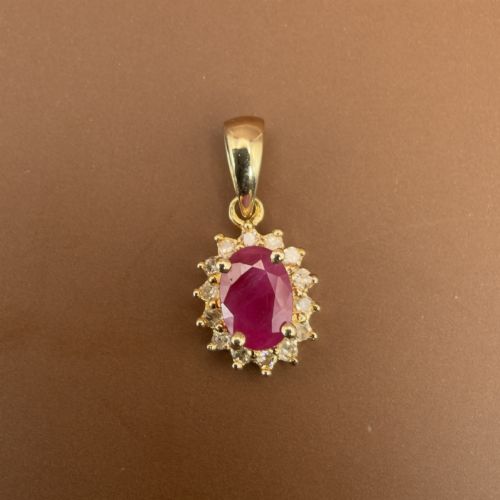
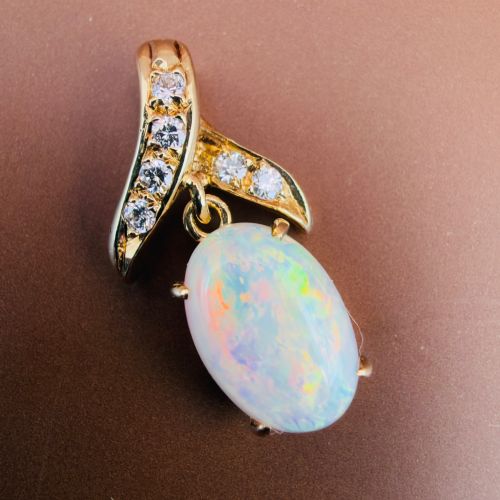
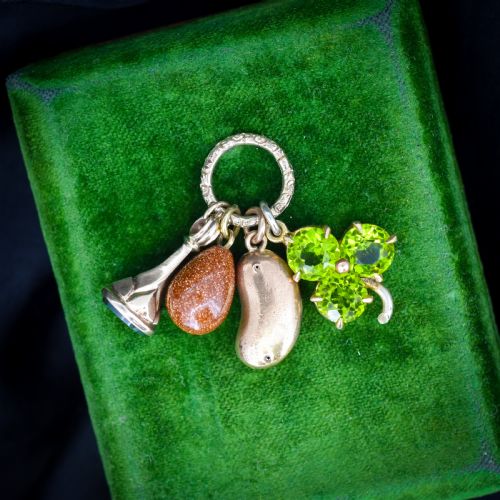
The selections span Victorian, Edwardian, and mid-century periods, including designs like starbursts, witches hearts, and traditional stone clusters. Gemstones such as ruby, diamond, garnet, sapphire, peridot, opal, and seed pearl define the visual arrangement of these hanging ornaments.
Construction and materials
Pieces utilise yellow gold and silver as foundational metals, shaped into split rings, pendants, and necklaces holding multiple stones. Gems are set closely to form dense geometric or floral clusters that catch the light from a central focal point.
Traditional craftsmanship involves securing small diamonds, rubies, garnets, opals, and seed pearls into claw or bezel settings by hand. Engraved details frequently appear on supporting split rings and mountings alongside figurative motifs like animals and bugles.
Materials recorded across these listings include diamond, ruby, peridot, garnet, sapphire, seed pearl, and opal set in various carats of yellow gold and silver.
Judging quality in cluster charms
Quality rests upon the stone selection and the precision of the metalwork within the central cluster. Stones possessing deeper colour saturation and cleaner clarity elevate the visual weight of the piece.
Substantial gold weight, crisp engraving on split rings, and secure stone settings distinguish sturdier examples. The harmony between the central gem and surrounding stones determines the overall balance of the design.
Hirsch & Oppenheimer
The Vintage Gold Cluster Charm Glossary
- Cluster charm
- A decorative hanging ornament featuring multiple gemstones arranged tightly around a central stone. This configuration maximises sparkle and colour in a compact space.
- Split ring
- A circular metal ring formed of two overlapping coils used to securely attach charms. It functions similarly to a modern key ring.
- Seed pearl
- A very small, naturally occurring or cultured pearl often used in Victorian and Edwardian clusters. These delicate pearls add a soft lustre to the design.
- Cabochon
- A gemstone shaped and polished with a smooth, rounded surface rather than faceted edges. Opals frequently utilise this cut to display their internal play of colour.
Vintage Gold Cluster Charm: Frequently Asked Questions
How do I wear a vintage gold cluster charm?
These pieces generally attach via a split ring or bail, allowing them to hang from a necklace chain or a charm bracelet. They sit comfortably near the collarbone when suspended from a shorter chain.
Ensure the connecting ring remains secure before daily wear to prevent loss. Mixing metals depends on personal taste, though matching gold tones creates a unified look.
What periods do these charms come from?
The available selection spans the nineteenth century, the Edwardian era, and the mid-twentieth century including the nineteen-fifties and nineteen-sixties. Each period brings distinct stylistic choices, from sentimental Victorian motifs to clean mid-century gemstone arrangements.
Victorian and Edwardian pieces often incorporate seed pearls and symbolic shapes like hearts. Later mid-century designs favour brighter rubies, peridots, and structured starburst patterns.
Which gemstones appear most often in these clusters?
Diamonds and rubies frequently anchor the centre of these clusters, accompanied by sapphires, garnets, and peridots. Opals and seed pearls also feature prominently in softer, more historic configurations.
Coloured stones are chosen to contrast with the yellow gold or silver surrounding them. This variety allows collectors to select specific birthstones or favourite hues.
How should I care for antique gold cluster charms?
Gentle cleaning with a soft cloth helps maintain the gold and silver surfaces without disturbing the stone settings. Avoid harsh chemical dips, particularly when opals or seed pearls are present.
Store each piece individually in a lined box to prevent scratching between items. Regular checks by a jeweller ensure the tiny claws holding the stones remain tight.