



Vintage Gold Bracelet Watch
A vintage gold bracelet watch combines precise timekeeping with wrist jewellery, offering enduring mechanical elegance and precious metal craftsmanship.
Vintage Gold Bracelet Watch
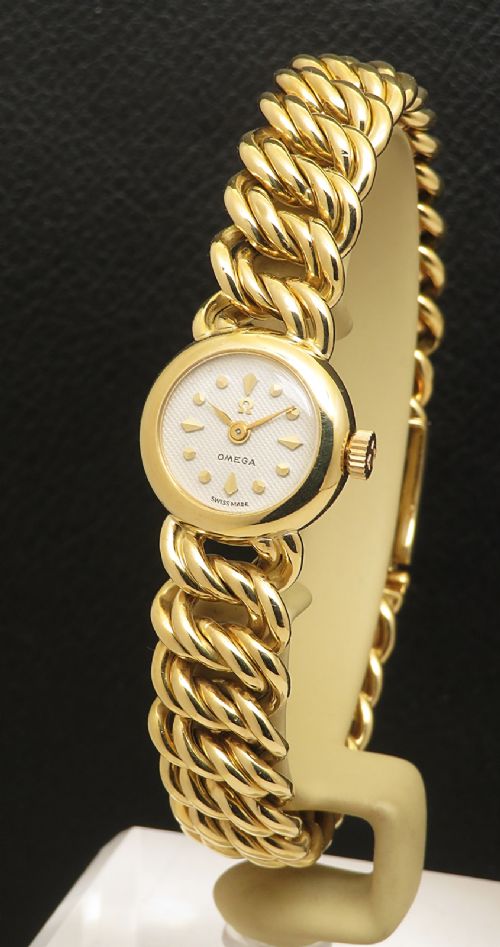
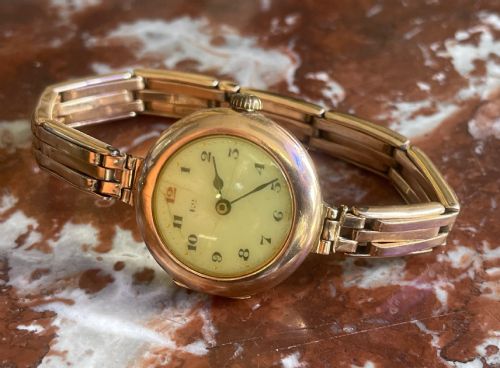
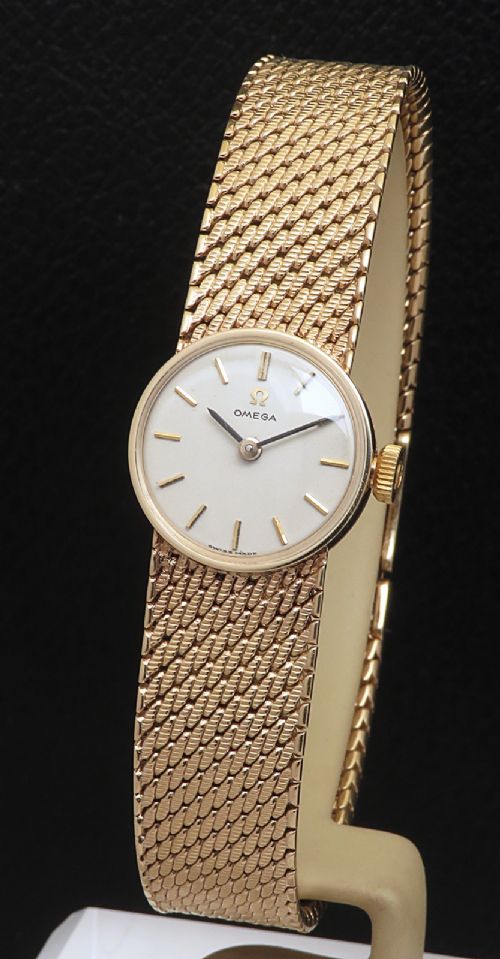
A vintage gold bracelet watch merges the utility of a timepiece with the decorative appeal of fine jewellery, spanning periods from Victorian origins through mid-century modern designs. When searching for a vintage gold bracelet watch, buyers encounter diverse forms ranging from delicate cocktail watches set with diamonds to robust dress pieces and heavy link watch chains. These items function simultaneously as functional horology and statement accessories, reflecting the changing aesthetic preferences of the twentieth century.
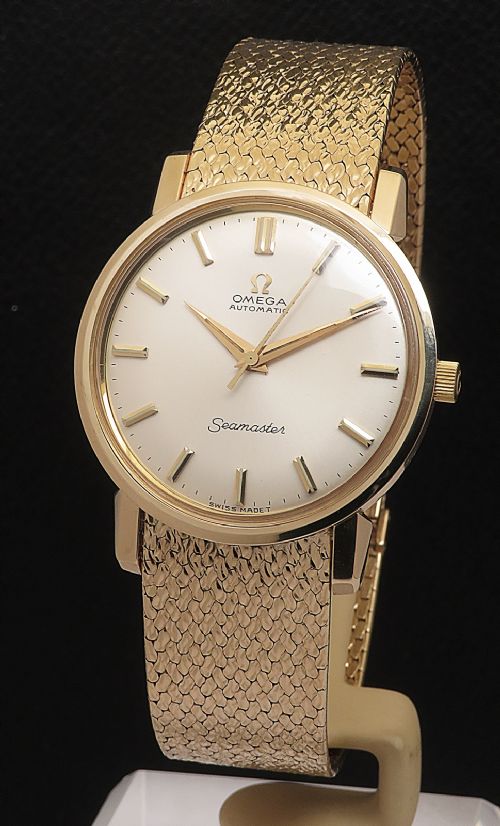
Pieces originating from the mid-century decades appear frequently, particularly gold bracelet watches housing mechanical movements from makers like Omega, Rolex, and Jaeger-LeCoultre. Alongside these, earlier examples from the Edwardian and Victorian eras incorporate rose gold, yellow gold, and platinum set with diamonds or glass. The selection unites wristwatches, cocktail watches, and convertible watch chains into a cohesive category of wearable precious metal history.
Materials and Construction
Construction relies heavily on solid 9ct, 14ct, and 18ct gold in yellow, rose, and white varieties, occasionally supplemented by platinum and silver. Jewellers and watchmakers integrated precious metals with glass crystals and diamond pavé settings, mounting delicate dials within flexible mesh, brick-link, or tubular bar bracelets.
Manual wind movements and early automatic calibres were housed within secure metal cases, often featuring integrated or interchangeable straps designed to drape seamlessly around the wrist. The integration of the watch head into the bracelet structure required precise goldsmithing, uniting functional gear trains with decorative links, dog clips, and folding clasps.
Materials recorded across the archive and current offerings include platinum, silver, diamonds, and glass alongside solid gold.
Assessing Quality and Execution
Quality rests in the weight and integrity of the gold work, distinguishing hollow stamped components from heavy, solid links and finely woven mesh bracelets. Superior examples exhibit crisp hallmarking, robust integration between the watch case and the bracelet, and meticulous gemstone setting where diamonds are secure and well-matched.
The sophistication of the movement and the reputation of the horological house further elevate a piece, alongside the survival of original boxes, papers, and unworn preservation states. Attention to detail in the engraving, the fluidity of the link articulation, and the clarity of the dial distinguish master craftsmanship from standard production.
Omega·Rolex·Jaeger-LeCoultre·Longines Wittnauer·Baume & Mercier·Universal Geneve·Chopard·Bueche Girod·Vertex·Accurist·Wilsdorf & Davis
The Vintage Gold Bracelet Watch Glossary
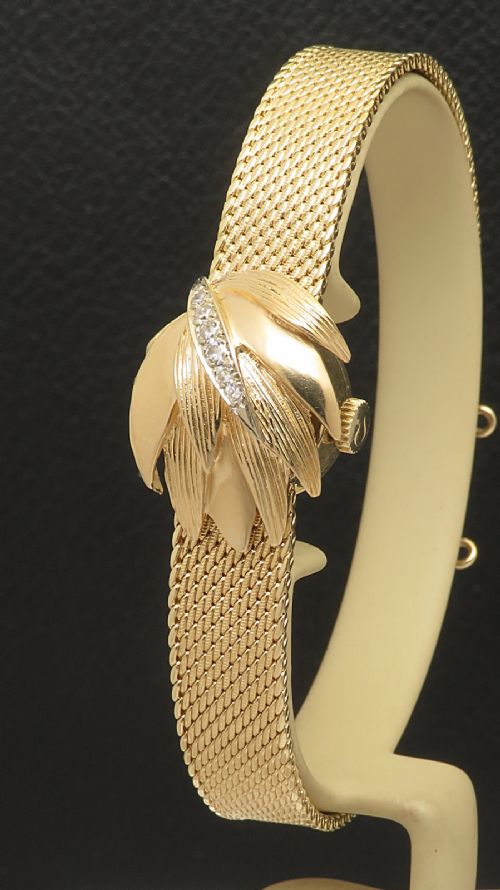
- Cocktail watch
- A small, decorative women's timepiece often heavily set with diamonds or gemstones, designed primarily for evening wear rather than casual timekeeping. These watches prioritise aesthetic brilliance and intricate metalwork over stark legibility.
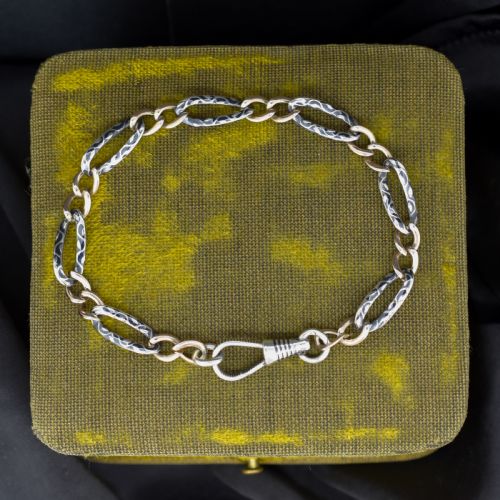
- Albert bracelet
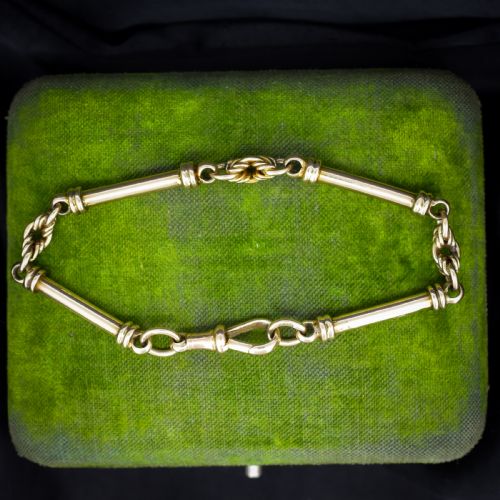
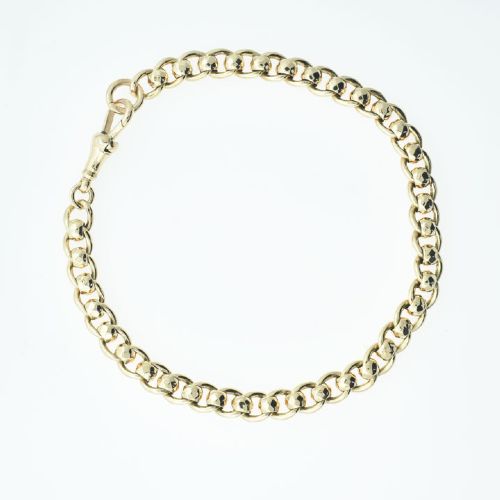
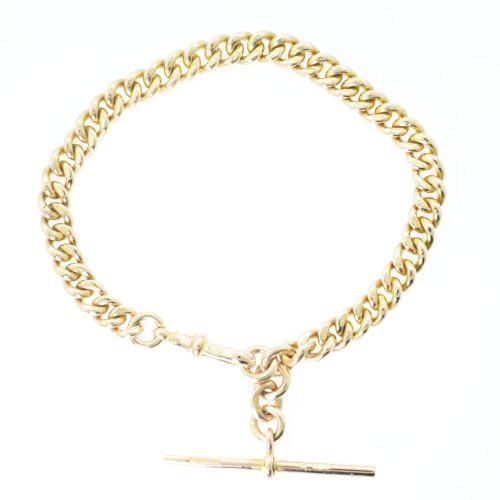
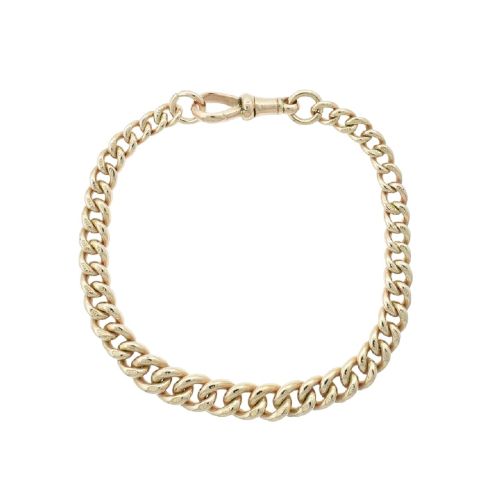
- A sturdy link chain originally designed to secure a pocket watch to a waistcoat, frequently adapted for wrist wear or fitted with charms and a T-bar. This robust style showcases substantial gold weight and secure dog clip fastenings.
- Manual wind
- A mechanical watch movement requiring regular hand rotation of the crown to tension the mainspring, differing from automatic or quartz systems. Collectors value these traditional movements for their intricate internal architecture.
- Mesh bracelet
- A flexible, woven metal strap created from tightly interlinked fine gold wire that drapes smoothly around the wrist. This technique provides a fluid, textile-like feel while maintaining the durability of precious metal.
- Calibre
- The specific internal mechanical movement manufactured for a watch, often denoted by a designated number or name by the maker. Identifying the calibre helps determine the era and technical sophistication of the timepiece.
Vintage Gold Bracelet Watch: Frequently Asked Questions
How do I wind a manual watch?
Gently rotate the crown clockwise between your thumb and forefinger until you feel gentle resistance, stopping immediately to avoid overwinding the mainspring. This daily ritual ensures the mechanical movement maintains accurate time throughout the day.
Take care not to force the crown past its natural stopping point, as vintage internal components require a delicate touch. Storing the watch in a dry environment when not in use helps preserve the internal lubrication.
Can I wear my watch daily?
Many vintage gold bracelet watches suit regular daily wear provided they receive appropriate care, gentle treatment, and avoidance of water exposure. Their robust gold construction handles standard daily movement well.
Consider reserving delicate diamond-set cocktail examples for special occasions to protect the fine settings and gemstones. Regular servicing by a qualified horologist keeps the internal gears functioning smoothly over decades of use.
How do I clean a gold bracelet?
Use a soft microfibre cloth to gently wipe away surface oils and dust from the gold links after wearing. Avoid harsh chemical dips, especially on pieces containing diamonds, glass, or delicate watch movements.
For stubborn grime between intricate links, a soft-bristled brush dampened slightly with mild soapy water can be employed very cautiously. Ensure the watch case remains sealed and dry during any cleaning process to prevent moisture ingress.
Are these watches waterproof?
Vintage gold bracelet watches generally lack modern waterproof seals and gasket protections, making them vulnerable to moisture damage. Accidental immersion, heavy rain, or hand washing can allow water inside the delicate movement.
Keep these timepieces entirely away from water, swimming pools, and humid bathrooms to protect the dial and metal components. Professional watchmakers can sometimes test vintage seals, but caution remains the safest approach.