

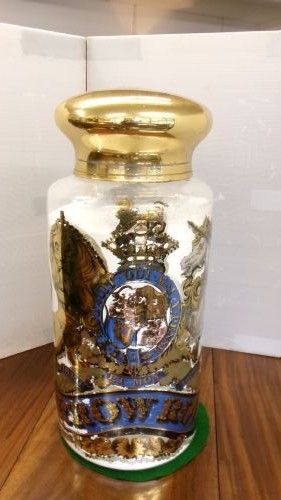
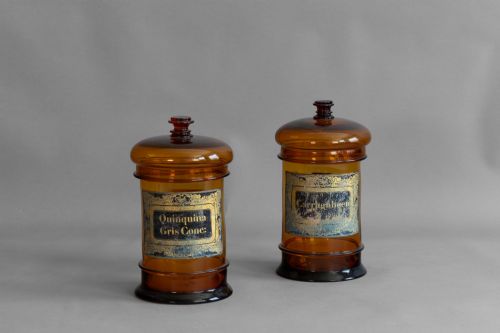


Vintage Glass Storage Jar
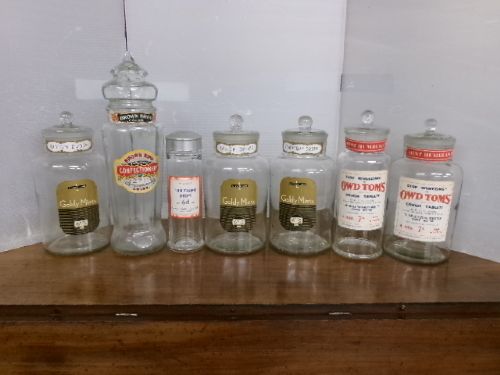
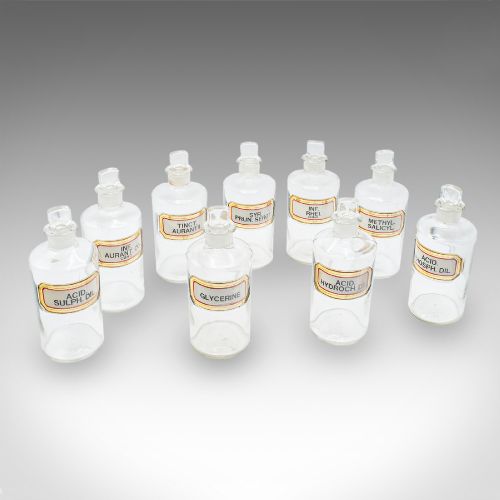
These vintage glass storage jar examples span apothecary jars, biscuit barrels, and pickling jars in blown and cut glass.
Vintage Glass Storage Jar
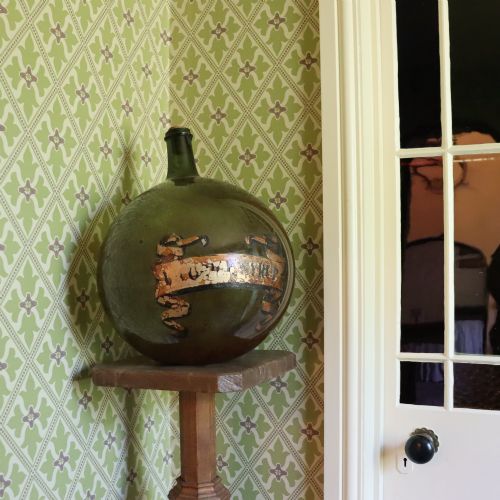
When you search for a vintage glass storage jar, you encounter utilitarian and display vessels from the eighteenth, nineteenth, and early twentieth centuries. These range from heavy apothecary carboys and chemist jars to French green glass pickling jars known as bocals.
Buyers typically find vessels constructed for practical kitchen or shop use, often retaining original labels, covers, or decorative elements like enamel and gold leaf. The assortment bridges functional utility and decorative display across multiple historic styles.
Materials and construction methods
The pieces rely on blown glass and cut glass techniques, shaped by hand during the eighteenth and nineteenth centuries. Makers utilised clear, amber, green, and cranberry glass to create durable vessels for storage.
Surface treatments include surface etching, enamel decoration, and applied gold leaf. Metal components such as brass or silver plating frequently furnish the collars, lids, and mounts of biscuit barrels and trinket boxes.
Vintage Glass Storage Jar Retail Price Guide 2026
Typical asking prices for vintage glass storage jar among the pieces listed under this phrase on Sellingantiques today, from the lower quarter to the upper quarter. They describe what is for sale here now, not the wider market.
Materials represented across the inventory feature blown glass, cut glass, mercury glass, brass, enamel, and gold leaf.
Distinguishing quality across examples
Quality separates simple utility vessels from finer display pieces through the clarity and weight of the blown or cut glass. Heavier metal mounts in brass or silver plate indicate higher production standards.
The presence of intact original covers, clear etched lettering, and delicate enamel decoration elevates an example. Pieces displaying precise facets or well-preserved hand-applied finishes represent the upper end of the range.
The Vintage Glass Storage Jar Glossary
- Carboy
- A large rounded glass bottle or jar used for holding liquids, often found in nineteenth-century settings. These substantial vessels served chemical or industrial purposes before becoming decorative items.
- Bocal
- A traditional French term for a glass pickling or storage jar, commonly featuring a wide mouth and heavy lid. These utility containers were staples in French country and provincial kitchens.
- Biscuit Barrel
- A lidded ceramic or glass container designed to keep biscuits fresh on the dining table, often fitted with a metal rim and handle. Edwardian examples frequently incorporate cut glass and silver-plated hardware.
- Apothecary Jar
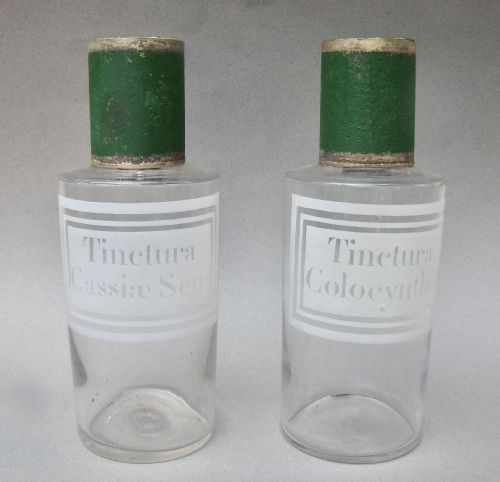
- A vessel originally utilised by chemists and pharmacists to store dry drugs, herbs, or liquids. They frequently display etched labels or hand-painted designations denoting their contents.
Vintage Glass Storage Jar: Frequently Asked Questions
What were apothecary jars used for?
Apothecary jars held medicinal herbs, dry drugs, and chemical compounds in nineteenth-century chemists' shops. Their tight-fitting covers protected contents from moisture and air.
Over time, these vessels transitioned into decorative display pieces due to their striking forms and etched lettering.
How do I clean old glass storage jars?
Wash vintage glass gently with warm water and mild soap, avoiding harsh abrasives that scratch old surfaces. Take care around any painted or gold leaf details.
Dry the interior thoroughly with a soft cloth to preserve the clarity of the blown or cut glass.
Can I use these for food storage today?
Many pickling jars and storage vessels remain robust enough for modern pantry use. Ensure the interior is entirely clean and free from old chemical residues if utilising them for consumables.
Displaying them on shelves also keeps them safe from daily wear and tear.
How do I tell Victorian from Edwardian jars?
Victorian pieces often feature heavy blown glass, deep etching, and utilitarian apothecary forms dating from the nineteenth century. Edwardian items tend to lean towards decorative dining ware like cut glass biscuit barrels.
Stylistic shifts reflect changing domestic tastes from industrial practicality to refined entertaining.