



Vintage Glass Perfume
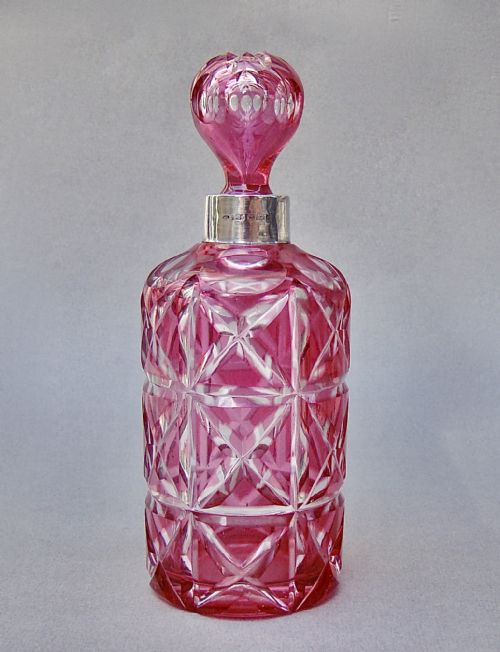
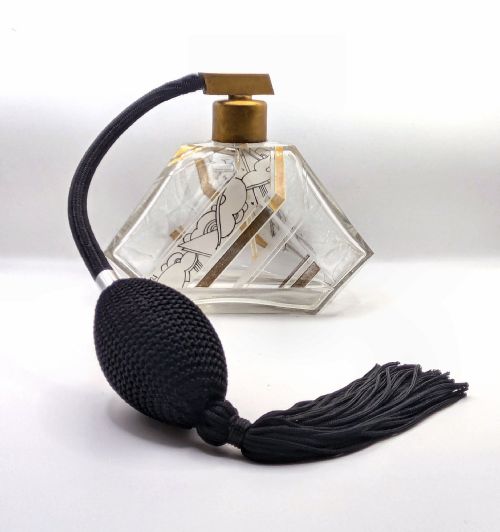
Vintage glass perfume bottles combine coloured or cut glass with silver mounts, offering a practical touch of historical dressing table elegance.
Vintage Glass Perfume
Vintage glass perfume items span scent bottles, atomisers, and vanity glassware created across the Victorian, Edwardian, and Art Deco periods. These vessels held liquid scents for daily use on dressing tables or for carrying in small purses.
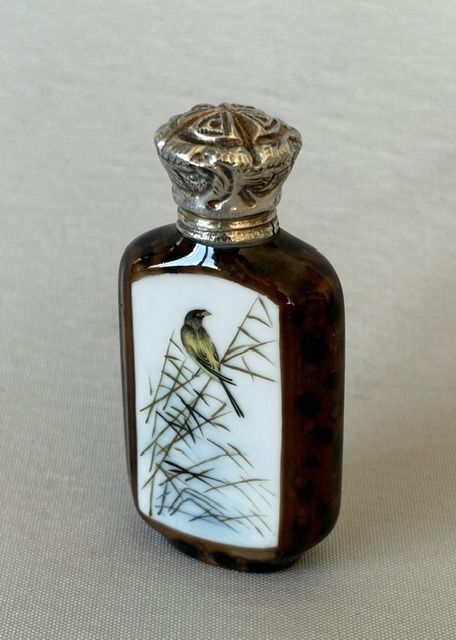
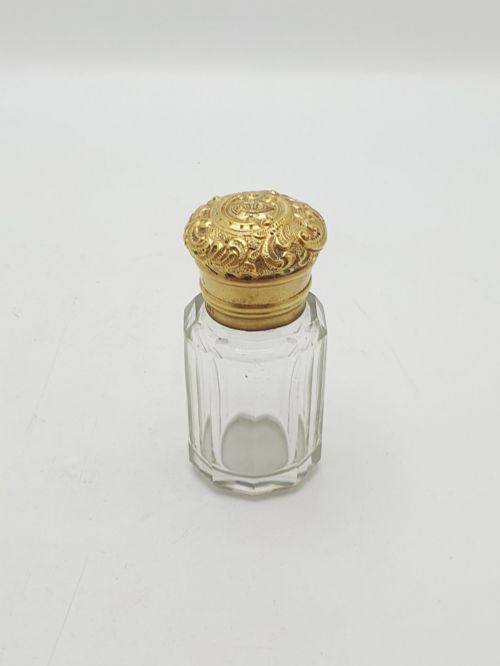
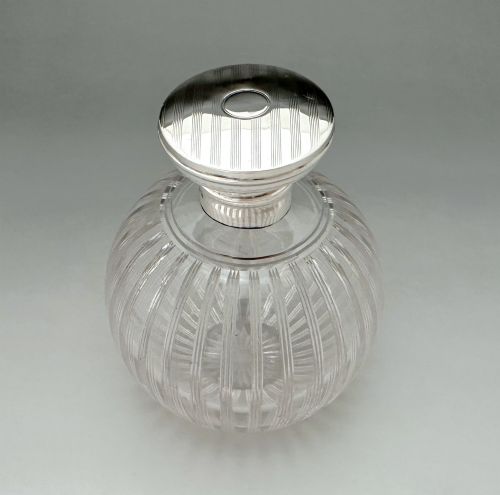
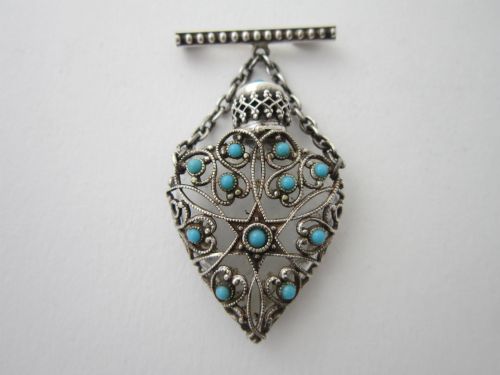
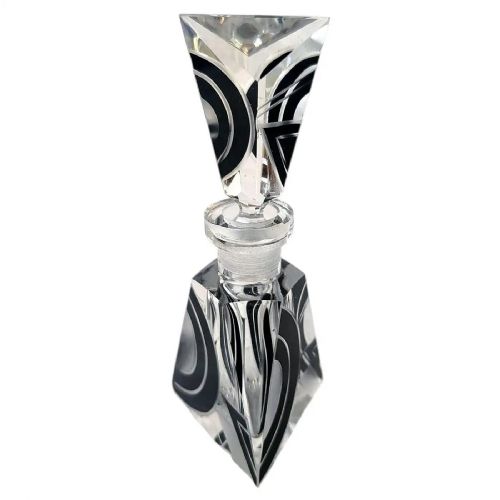
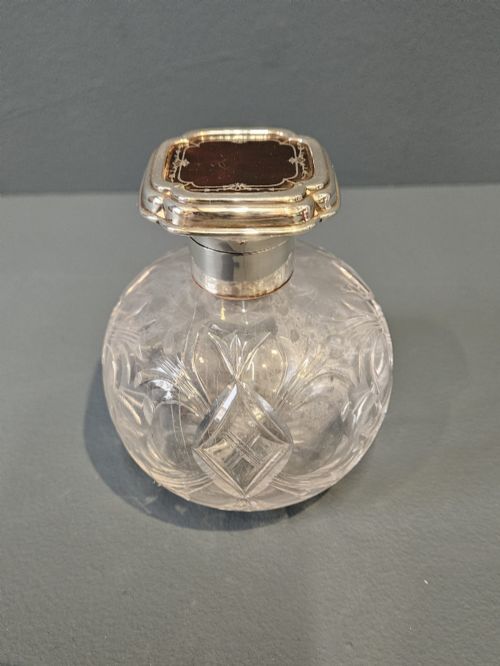
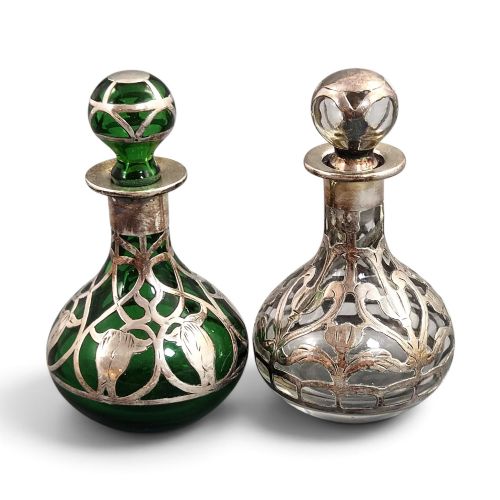
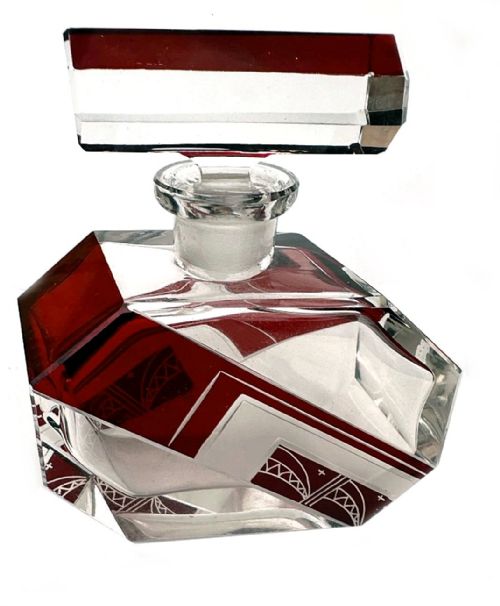
The most common examples on this page are scent bottles and perfume bottles featuring glass bodies fitted with sterling silver collars, hinged lids, or atomiser hardware. Formats range from geometric Art Deco Czech designs to ornate Victorian cut glass.
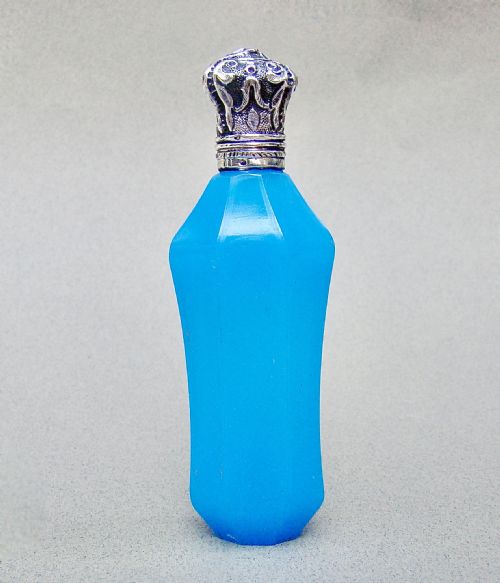
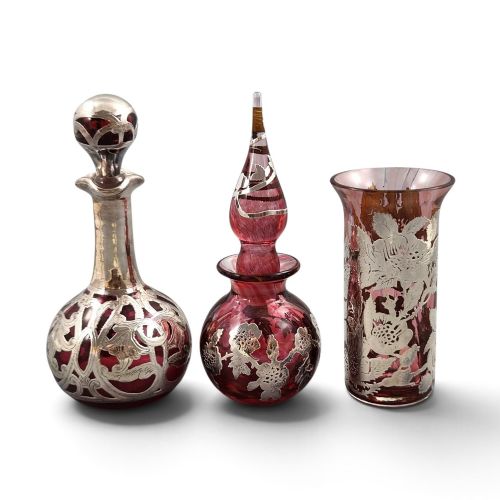
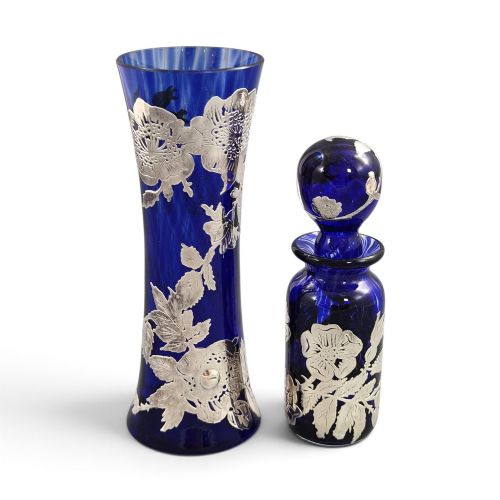
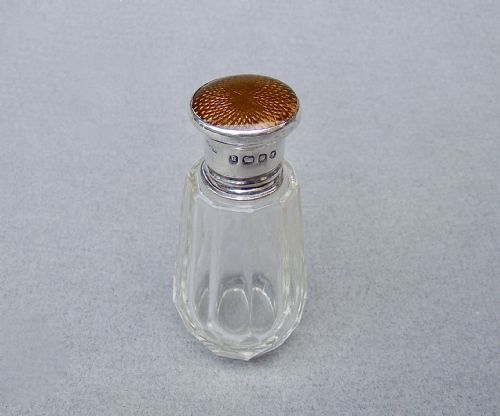
Makers and manufacturers utilised various coloured glasses including cranberry, cobalt blue, opaline turquoise, and yellow glass. Many pieces incorporate enamel painting, guilloche enamel, or sterling silver overlay to elevate the decorative scheme.
How they were made
Glass bodies were typically blown, moulded, or heavily cut to create faceted surfaces that caught the light, using materials such as cut crystal, frosted glass, and coloured glass.
Metalworkers added structure and security by mounting the glass necks with sterling silver, silver gilt, or chrome collars, often secured with hinged lids or screw caps.
Surface ornamentation involved intricate hand-painted enamel, guilloche enamel work, and applied sterling silver overlay cut into botanical or geometric motifs.
Vintage Glass Perfume Retail Price Guide 2026
Typical asking prices for vintage glass perfume among the pieces listed under this phrase on Sellingantiques today, from the lower quarter to the upper quarter. They describe what is for sale here now, not the wider market.
Some Victorian spirit perfume bottles doubled as hidden pocket flasks for discreet sips during long carriage rides.
What varies in quality
Quality depends heavily on the crispness of the glass cutting and the purity of the glass material, distinguishing simple moulded blanks from hand-cut crystal and finely worked coloured glass.
The sophistication of the metalwork defines the tier of the piece, from plain silver collars to complex guilloche enamel lids, heavy silver overlays, and signed maker mounts.
Artistic attribution plays a major role, where documented studio output by makers such as Rene Lalique or Karl Palda commands greater design interest than unmarked commercial production.
George May·Gorham·Laugharne Glass·Karl Palda·Henry Perkins·Harold Bushell & Co·Rene Lalique
The Vintage Glass Perfume Glossary
- Atomiser
- A perfume bottle fitted with a spray mechanism that uses a bulb or pump to disperse scent in a fine mist. These often include glass or metal siphon tubes running into the reservoir.
- Guilloche enamel
- A decorative technique where a precise geometric pattern is mechanically engraved into metal beneath a translucent layer of coloured enamel. This creates a shimmering, repeating background under the light.
- Opaline glass
- An opaque or translucent glass type developed in the nineteenth century, frequently produced in pale pastel tones like turquoise, pink, or white. It mimics the appearance of natural opals.
- Silver overlay
- A technique where molten or sheet sterling silver is permanently bonded onto a glass body in decorative patterns, often trimmed back to expose the contrasting glass beneath.
- Cologne bottle
- A larger vessel intended for holding eau de cologne rather than concentrated perfume, usually featuring a secure stopper or silver cap for frequent daily application.
Vintage Glass Perfume: Frequently Asked Questions
How do I clean old scent bottles?
Clean the exterior gently with a soft cloth, avoiding harsh abrasives that might damage enamel or silver mounts.
Keep moisture away from the interior if stoppers are stuck or if historic residue remains inside the glass reservoir.
Are vintage perfume atomisers usable?
Many retain their original internal siphon tubes and metal spray hardware, though rubber squeeze bulbs often perish over time.
Replacement bulbs can restore function, but collectors frequently display them dry to preserve fragile internal components.
How do I date an antique bottle?
Examine the silver hallmarks on the collar or lid to identify assay office stamps and exact year letters.
Stylistic cues such as Edwardian garlands or Art Deco geometric cutting also help narrow down the production decade.
Did these bottles come in sets?
Some luxury items formed part of larger vanity ensembles that included matching trays, powder jars, and vases.
Individual scent bottles were also retailed separately or packaged in presentation boxes for specific perfumeries.