

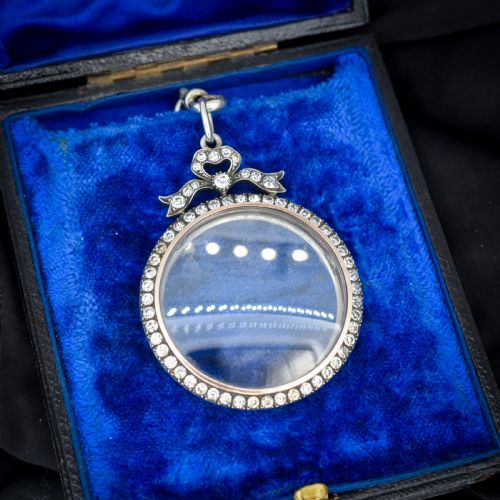


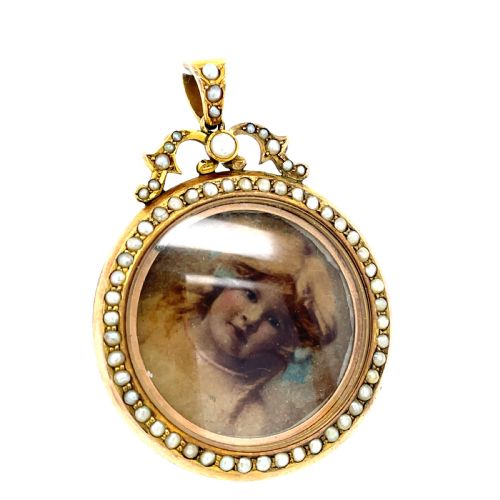


Vintage Glass Locket
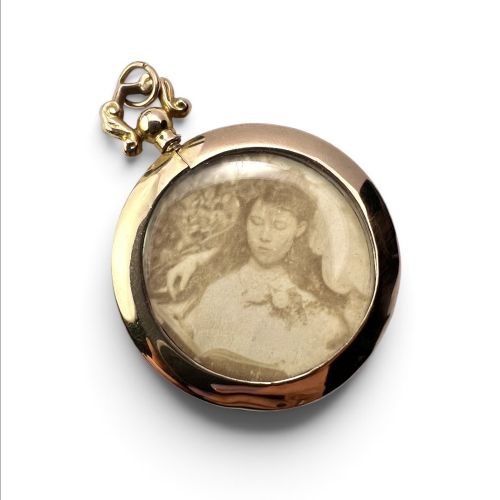
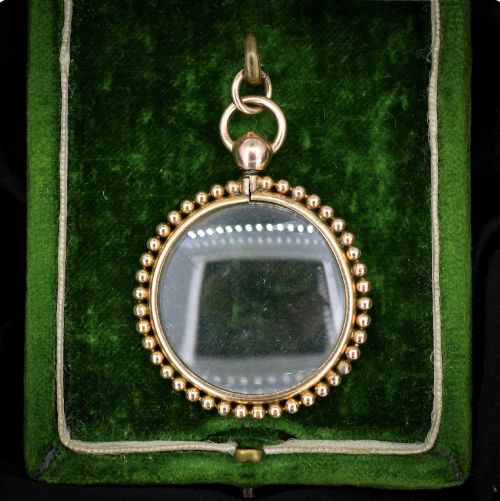
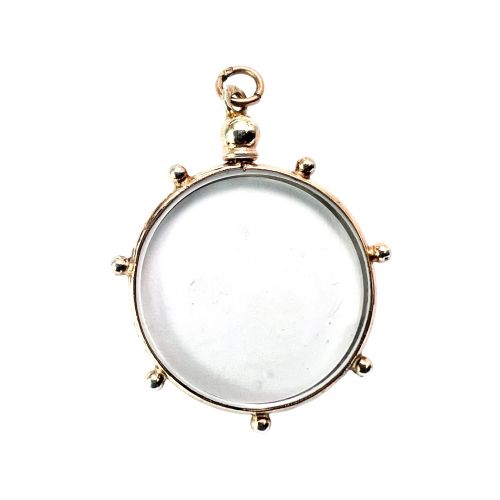
These vintage glass locket pieces combine transparent panels with precious metal settings to hold keepsakes close.
Vintage Glass Locket
When you search for a vintage glass locket, you encounter wearable keepsakes designed to display small mementoes, hair, or photographs beneath transparent covers. These pieces span multiple decades, drawing on Georgian, Victorian, Edwardian, and Art Deco design traditions.
The selections on this page appear in various formats, including pendant necklaces, brooch hybrids, and charm fob configurations. Metal frames enclose glass faces, occasionally utilising screw-top closures or shaker designs where small elements move freely inside.
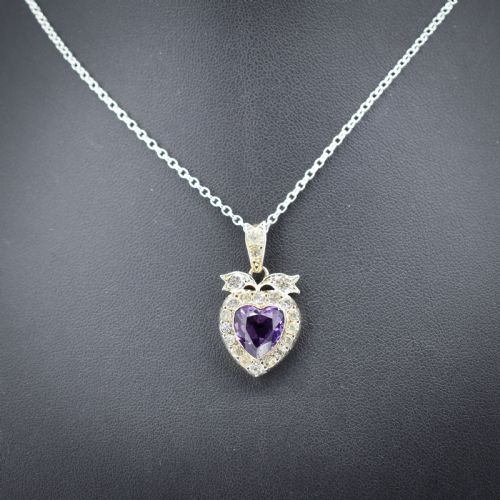
Origins stretch from British workshops to French ateliers, incorporating styles such as Arts and Crafts, Belle Epoque, and formal period revivals. Gold and silver predominate, though mixed-metal constructions and paste-set borders also surface frequently.
How they were made
Maker techniques rely on shaping precious metals like nine-carat yellow gold and silver to frame delicate transparent panes. Screw-top mountings and hinged bezels secure the glass safely within the outer metal housing.
Surface ornamentation integrates cast floral motifs, hand-set paste stones, seed pearls, and marcasite detailing. Some designs incorporate paper components or photographic inserts beneath the crystal-clear viewing surface.
Vintage Glass Locket Retail Price Guide 2026
Typical asking prices for vintage glass locket among the pieces listed under this phrase on Sellingantiques today, from the lower quarter to the upper quarter. They describe what is for sale here now, not the wider market.
Object forms span necklaces, pendants, brooches, and bangles incorporating photographic inserts.
What varies in quality
Quality depends upon the weight and purity of the precious metal housing, alongside the precision of the bezel work securing the glass. Finer examples display clean metal joints and secure closure mechanisms that protect the interior space.
The sophistication of secondary ornamentation dictates overall refinement, distinguishing simpler utilitarian containers from ornate jewels embellished with seed pearls, faceted paste, or intricate intaglio carvings.
Murrle Bennett
The Vintage Glass Locket Glossary
- Shaker locket
- A double-faced glass container designed to hold loose decorative elements or mementoes that shift freely inside the compartment. These items offer a dynamic visual effect distinct from fixed portrait settings.
- Screw-top locket
- A pendant engineered with a threaded bezel or collar that unscrews to allow access to the interior. This mechanism secures the glass face firmly without traditional hinges.
- Intaglio
- A design incised into the surface of a gemstone or glass panel so that the image impresses in relief when pressed into sealing wax. It appears frequently on decorative fob pendants.
- Seed pearl
- Very small, naturally occurring pearls utilised in delicate clusters to border frames and decorative motifs. They add subtle lustre to Edwardian and Victorian pieces.
Vintage Glass Locket: Frequently Asked Questions
How do I open a screw-top locket?
Screw-top pendants utilise a threaded metal bezel that rotates to release the transparent glass cover. Turning the rim counter-clockwise unscrews the housing safely.
Care is required during this process to avoid applying uneven pressure to the fragile glass panel.
What metals are used in these lockets?
Makers utilised various precious metals, most notably nine-carat yellow gold, sterling silver, and gold-on-silver combinations. French pieces also employ eighteen-carat yellow gold.
Metals were chosen to complement the transparent glass faces and any accompanying gemstones like paste or seed pearls.
How do I date an antique glass locket?
Dating relies on examining the metal hallmarks, overall style characteristics, and construction techniques. Georgian and Victorian examples tend to feature heavy bezels and mourning motifs, whereas Edwardian pieces often display lighter wirework or garland styles.
Art Deco items from the nineteen-thirties introduce geometric lines, marcasite borders, and intaglio glass carvings.