



Vintage Glass Jewellery Box
A vintage glass jewellery box brings refined storage to your dressing table, combining transparent panels with precious metal frames.
Vintage Glass Jewellery Box
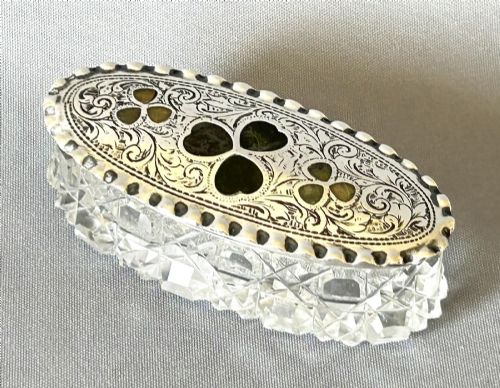
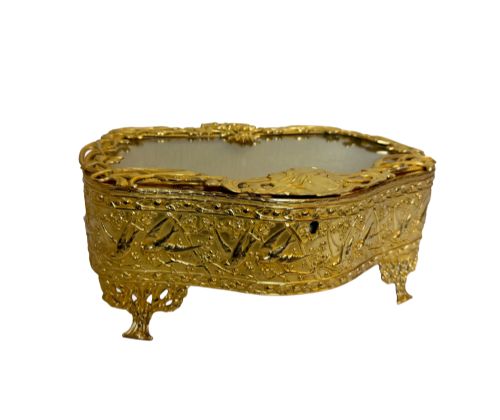
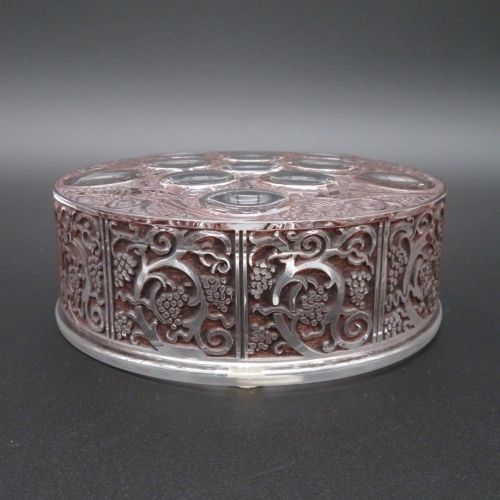
A vintage glass jewellery box combines transparent panels with metal frames to protect and display personal treasures. These pieces span periods from the nineteenth century through the Edwardian era and the art deco decades, incorporating styles like art nouveau and french revival.
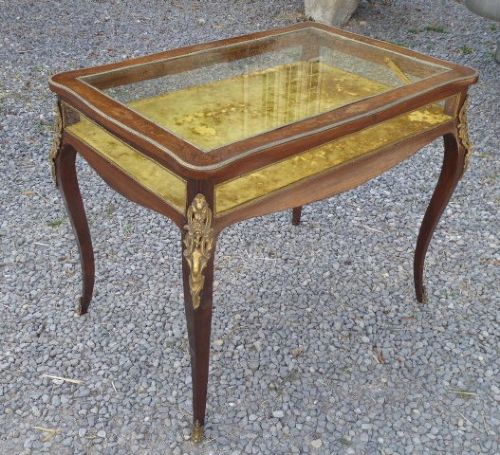
The objects appearing here take several distinct forms, ranging from small trinket boxes and powder boxes to larger bijouterie display tables and cabinets. Many feature hinged lids, secure locks, and internal linings of velvet or satin.
Makers and workshops from Britain, France, and Germany produced these items using high-grade materials, resulting in sturdy containers designed for daily utility and decorative appeal.
Indicators of quality and craftsmanship
Quality rests upon the weight of the metal frame and the clarity and thickness of the glass panels. Finer examples display crisp casting details on bronze or ormolu mounts rather than soft, blurred edges.
The integration of materials reveals superior manufacture, seen in tight joints, well-fitted hinges that hold their position when opened, and original interior linings that complement the exterior design.
Signed works or pieces carrying maker marks demonstrate documented provenance, elevating the standing of the object within its specific period.
Vintage Glass Jewellery Box Retail Price Guide 2026
Typical asking prices for vintage glass jewellery box among the pieces listed under this phrase on Sellingantiques today, from the lower quarter to the upper quarter. They describe what is for sale here now, not the wider market.
Listings feature items spanning the 1880s through the 1940s, incorporating brass, mahogany, and cut glass.
Posen of Frankfurt and Berlin·S Theeman·Lalique·Baccarat
The Vintage Glass Jewellery Box Glossary
- Ormolu
- Gilded bronze or brass applied to decorative objects and furniture mounts. This technique was widely utilised in nineteenth-century French workshops.
- Bijouterie table
- A glass-topped display table designed specifically to showcase small valuable items and trinkets. They gained popularity during the Edwardian period.
- Cut glass
- Glass decorated by grinding facets or patterns into the surface using a wheel. This process creates brilliant light refraction.
- Art Nouveau
- A style characterised by organic, flowing lines inspired by natural forms. It appears frequently in pieces dating around the turn of the twentieth century.
Vintage Glass Jewellery Box: Frequently Asked Questions
How do I clean a glass jewellery box?
Wipe glass panels gently with a soft cloth and mild glass cleaner, avoiding harsh chemicals that might damage aged metal frames.
Keep moisture away from fabric interiors and vintage brass or silver mounts to preserve their original finishes.
Are these boxes suitable for daily use?
Most sturdy Edwardian and nineteenth-century examples handle regular opening and closing without issue, provided the hinges remain aligned.
Treat delicate cut glass and gilt surfaces with care to prevent accidental chips or wear to the metal plating.
How can I date my trinket box?
Examine the style of the metal mounts, the cut of the glass, and any maker marks or stamps present on the frame.
Periods like the Edwardian era and art nouveau display distinct aesthetic traits that help narrow down the year of manufacture.
What were bijouterie tables used for?
Upper-class households utilised these glass-topped tables in drawing rooms to display collections of small valuables, medals, and fine ornaments.
They allowed guests to inspect delicate items without handling them directly.