



Vintage Glass Decor
When you search for vintage glass decor, you enter a diverse field of nineteenth and twentieth-century objects crafted to catch the light.
Vintage Glass Decor
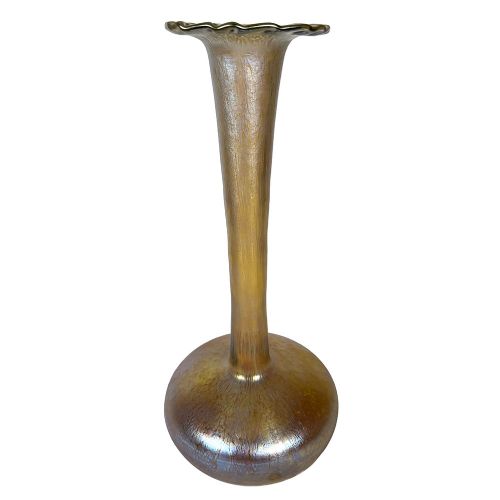
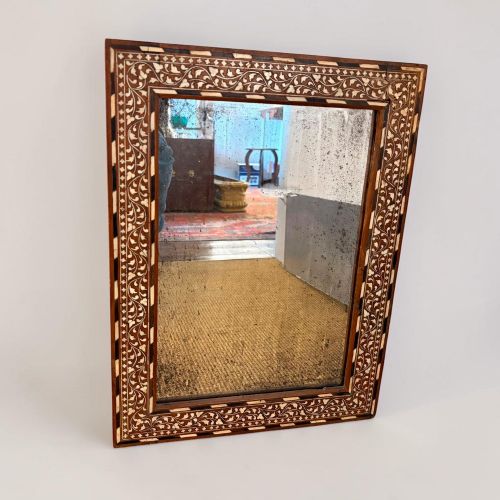
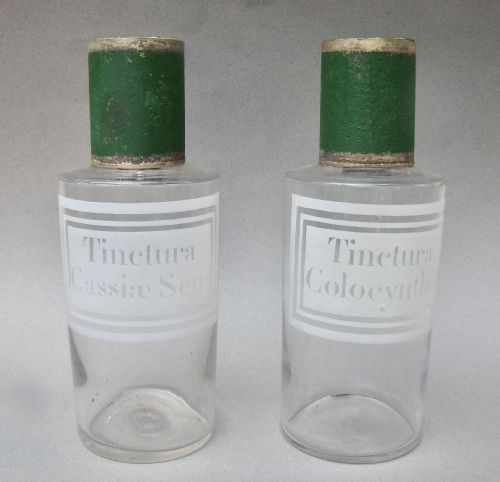
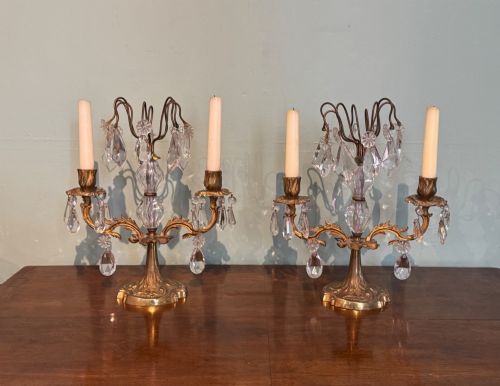
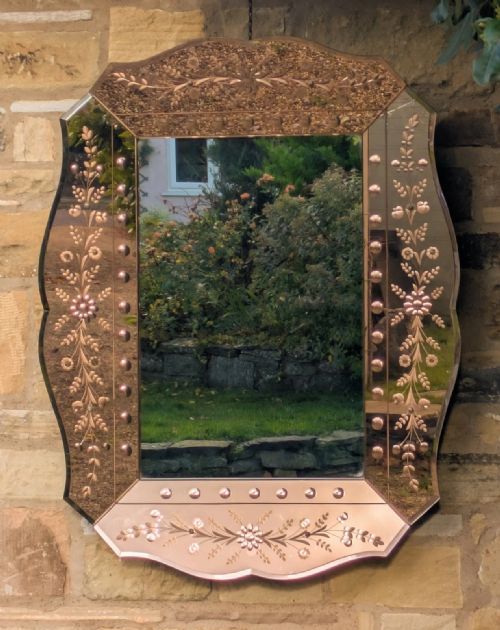
When you search for vintage glass decor, you encounter a varied selection of functional and decorative items spanning the Victorian era through the mid-twentieth century. The listings on this page most frequently present pieces like nineteenth-century apothecary jars, Art Nouveau iridescent vases, table candelabra, and decorative mirrors.
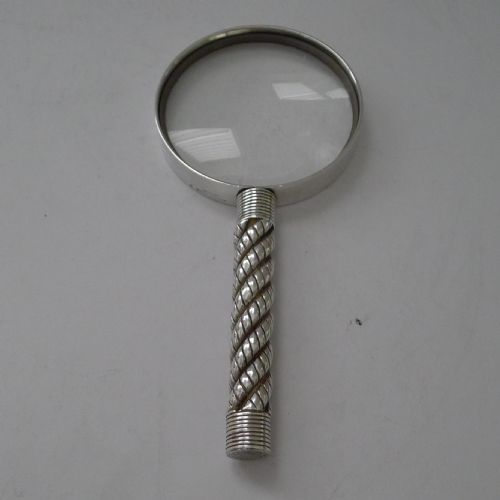
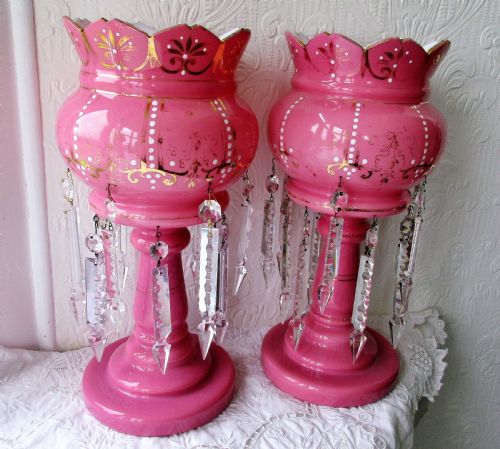
The selection extends across distinct production methods and origins, featuring English pink glass lustres, Bohemian hand-blown vessels, and Italian Murano paperweights alongside practical items such as spirit dispensing barrel lamps and magnifying glasses.
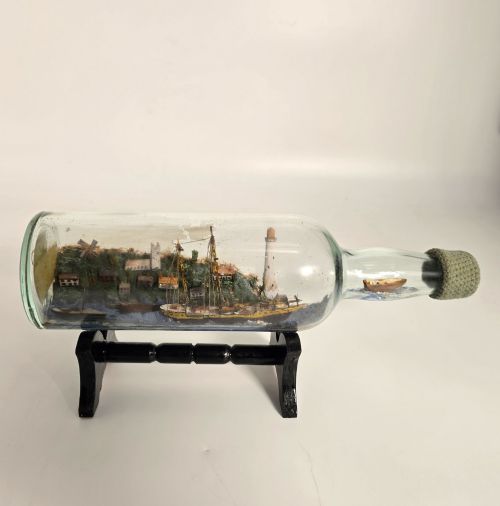
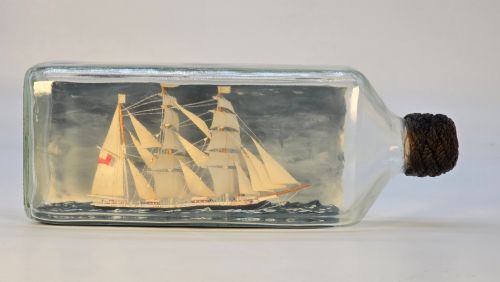
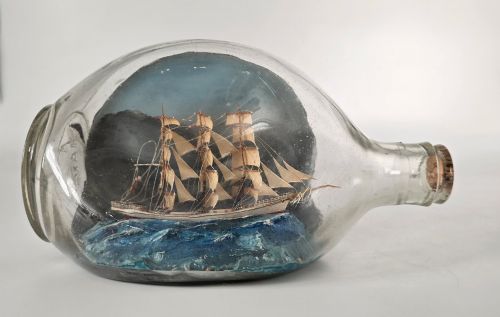
Buyers also find maritime folk art in the form of model sailing ships enclosed within glass bottles, alongside reverse-painted signs, chemist displays, and circus mirrors that showcase the utilitarian applications of glass across different decades.
Materials and construction methods
Makers utilised traditional hot-glass techniques including hand-blowing, moulding, and cutting to shape the primary material, frequently combining glass with brass, metal, wood, paint, and giltwood frames. Cut glass and mercury glass require precise manipulation, while pieces like apothecary carboys and vases demonstrate the structural clarity achievable through free-blowing and cooling.
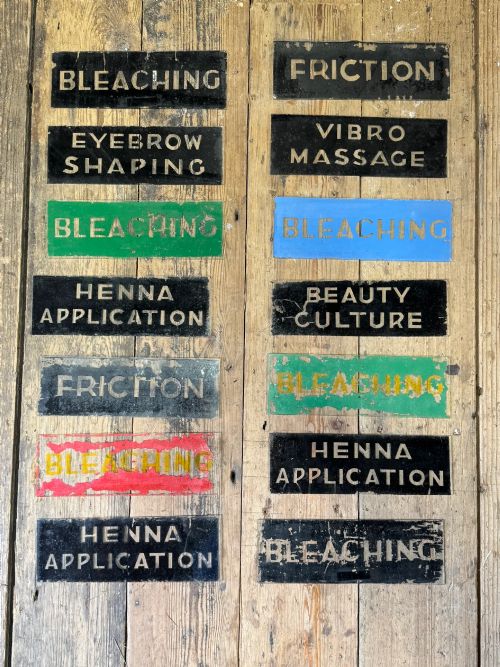
Surface ornamentation involved wheel engraving, enamelling, and reverse-painting on glass panels, as seen on chemist signs and Chinese artwork. Supplementary materials such as silver plating and paper labels appear on cruet sets and maritime dioramas, anchoring fragile glass elements within supportive mounts and wooden bottles.
Vintage Glass Decor Retail Price Guide 2026
Typical asking prices for vintage glass decor among the pieces listed under this phrase on Sellingantiques today, from the lower quarter to the upper quarter. They describe what is for sale here now, not the wider market.
Listings feature glass decor from the Victorian, Edwardian, and mid-century eras, alongside materials including cut glass, brass, paint, and giltwood.
Factors influencing quality
Quality in these pieces rests upon the precision of the glassblower's hand and the clarity of the material itself, distinguishing heavy, uniform hand-blown vessels from standard production items. The depth of colour in iridescent Art Nouveau bowls and the crispness of wheel-engraved details, such as portraits or botanical motifs, separate standard decorative items from finer examples.
The integrity of secondary materials also dictates standard, with well-preserved giltwood frames, original brass hardware, and intact enamel painting retaining greater visual impact. In items like ship dioramas and reverse-painted signs, the complexity of the internal arrangement and the preservation of the paint surface govern the overall standard.
Loetz·Hermes, Paris·Jennifer Toombs
The Vintage Glass Decor Glossary
- Iridescent glass
- Glass treated with metallic oxides during firing to produce a shimmering, rainbow-like surface sheen. This technique gained prominence during the Art Nouveau period.
- Mercury glass
- Double-walled blown glass silvered on the interior with a liquid mercury amalgam, then sealed. It creates a reflective, mirror-like appearance without true silvering.
- Apothecary carboy
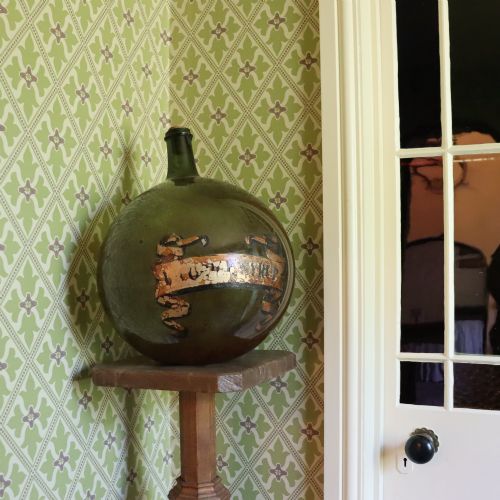
- A large glass vessel historically utilised by chemists and pharmacists to store liquids or display shop windows. These containers often feature heavy, blown glass walls and distinct utilitarian forms.
- Reverse painting on glass
- An artistic technique where the image is painted directly onto the back of a glass panel so the final composition is viewed through the transparent front. This method protects the pigment from dust and damage.
- Tramps art
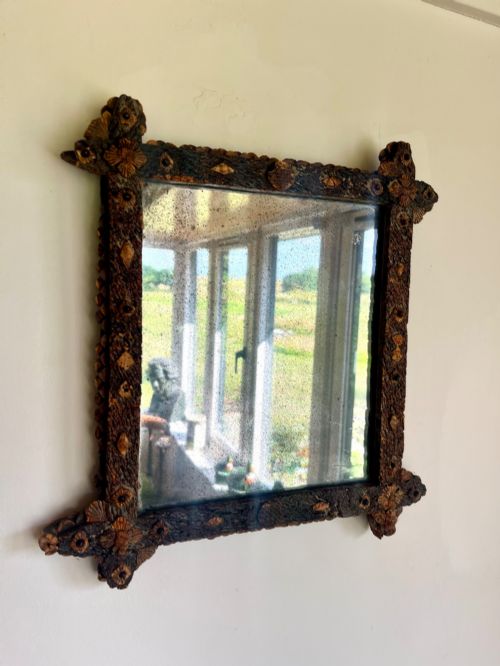
- A style of woodwork and decorative craft created by itinerant labourers using simple tools and salvaged materials such as cigar boxes. In this context, it frames mirrors and small decorative objects.
- Lustre
- A pair of ornamental glass mantel vases adorned with hanging crystal prisms designed to catch and refract candlelight. They are frequently associated with nineteenth-century English manufacture.
Vintage Glass Decor: Frequently Asked Questions
What is an apothecary carboy?
Apothecary carboys are large glass vessels historically utilised by chemists and pharmacists to hold liquids or to display in shop windows.
These pieces feature heavy, blown glass walls and distinct utilitarian forms designed to withstand commercial use over decades.
How do I identify Art Nouveau glass?
Art Nouveau glass typically displays organic forms and iridescent surfaces achieved through the application of metallic oxides during the firing process.
Pieces from this movement often feature fluid lines and experimental decors that mimic natural phenomena.
Were reverse-painted signs used commercially?
Many reverse-painted glass signs served a direct commercial purpose in hair salons, beauty establishments, and chemist shops.
Artists painted the lettering and imagery on the rear surface of the glass to protect the pigment from physical wear in busy environments.
What are glass lustres?
Glass lustres are decorative mantel vases fitted with dangling crystal prisms that refract light around the room.
Victorian makers produced these pairs in opaque colours like pink to ornament formal interior spaces.