




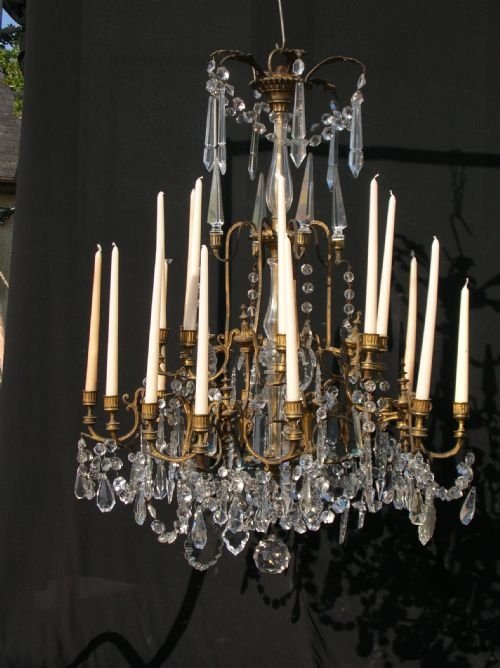


Vintage Glass Candelabra
These vintage glass candelabra pieces bring weight and brilliance to a room, offering functional candlelight paired with decorative glass work.
Vintage Glass Candelabra
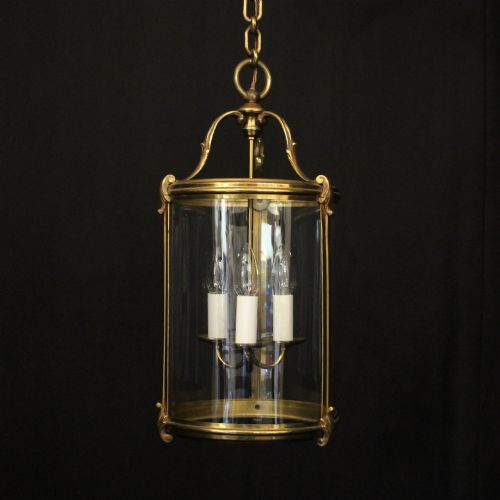
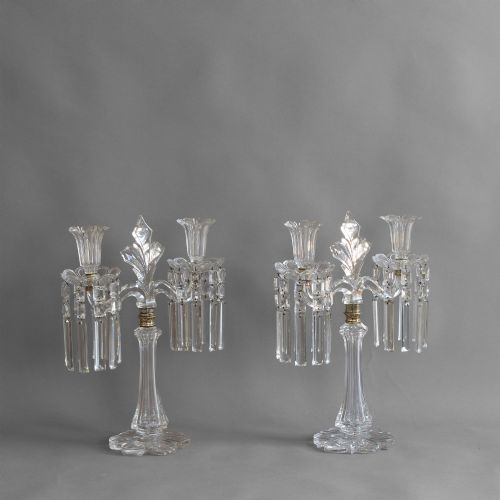
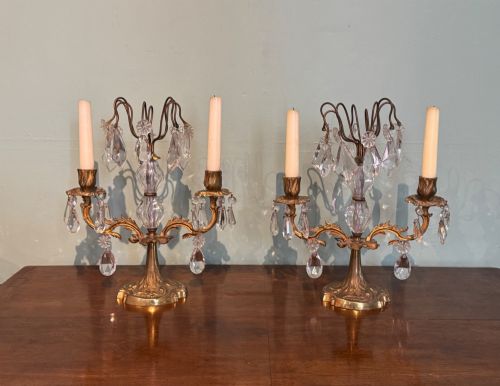
When you search for vintage glass candelabra, you are looking at multi-branched lighting fixtures designed to hold candles, often ornamented with hanging drops or cut components. The selection on this page spans pieces from the nineteenth century through the early twentieth century, including French styles like Art Deco, Art Nouveau, and Louis XVI.
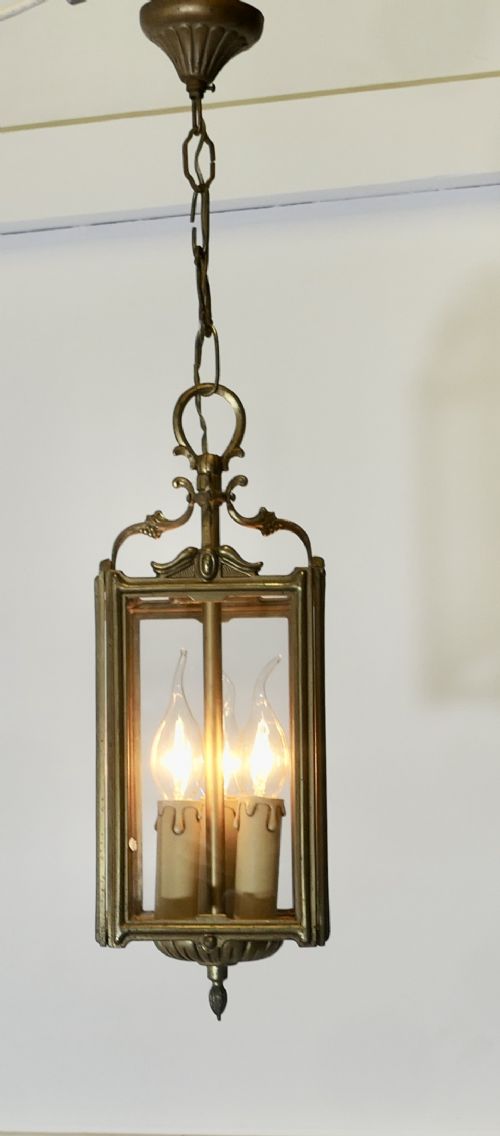
Most examples you will meet here are paired items or single branched fixtures combining metal frames with glass elements. Alongside traditional table candelabra, the listings include related forms such as lustres, lanterns, chandeliers, and table lamps featuring crystal or frosted glass.
How they were made
Makers built these pieces using structural frames of brass, gilt bronze, or silver metal fitted with glass and crystal components. Metal casting and shaping provided the arms and candle sockets, while glass elements were cut, etched, or moulded into shape.
Many examples incorporate clear glass, cut crystal, or frosted glass supported by brass or gilt brass fittings. Makers joined these diverse materials mechanically using pins, screws, and wiring to secure the glass drops and prisms to the metal frames.
Some pieces feature marguerites moulded in frosted glass, bringing a touch of botanical styling right to the candle arms.
What varies in quality
Quality in these pieces rests on the crispness of the metal casting and the clarity of the glass work. Finer examples show sharp detailing in the brass or gilt bronze mounts and precise faceting on the cut crystal drops.
The integration between the metal frame and the glass components also distinguishes the work. Superior pieces display balanced proportions across multiple candle arms and secure, well-fitted hanging elements that catch the light evenly.
R Lalique
The Vintage Glass Candelabra Glossary
- Candelabra
- A branched candlestick designed to hold multiple candles at once. These pieces often feature central shafts with several extending arms.
- Lustre
- A type of ornamental candlestick or vase hung with cut glass prisms. The pendants catch and reflect the candlelight.
- Cut crystal
- Glass that has been ground and polished with wheel-cut facets. This process increases the refractive properties and brilliance of the material.
- Frosted glass
- Glass treated to create a textured, translucent surface rather than a clear one. This finish diffuses the light passing through it.
Vintage Glass Candelabra: Frequently Asked Questions
What is a vintage glass candelabra?
A vintage glass candelabra is a branched candlestick or lighting fixture made from metal and glass elements. They were designed to hold multiple candles and reflect the flame through crystal drops and cut glass components.
These decorative objects range from nineteenth-century Regency styles to early twentieth-century Art Deco and Art Nouveau designs. They function as both table centerpieces and structural lighting elements.
How do you clean glass candelabra?
Cleaning requires removing dust with a soft brush and washing glass or crystal parts gently with warm soapy water. Metal frames need separate care depending on whether they are brass, gilt bronze, or silver metal.
Take care to remove hanging drops individually if necessary to avoid straining the pins or wire connections. Dry all glass thoroughly before reassembling the piece to prevent water spots.
Where were these pieces used?
These fixtures were placed on dining tables, mantelpieces, and halls in grand domestic interiors. Their reflective glass and multiple candle arms maximised the available light before electricity was common.
French chateau and period rooms often utilised large multi-light examples as central decorative statements. Smaller pairs functioned as decorative table lamps or mantel ornaments.
How do you date a glass candelabra?
Dating relies on stylistic markers such as the geometric lines of Art Deco or the elaborate curves of French Rococo Revival and Louis XVI styles. The combination of materials, such as gilt bronze versus silver metal, also points to specific decades.
Construction methods, including the type of screws, pins, and metal casting techniques, help separate nineteenth-century pieces from twentieth-century productions. Examining the cut of the crystal and the form of the glass provides further clues to the period.