



Vintage Giltwood Bracket
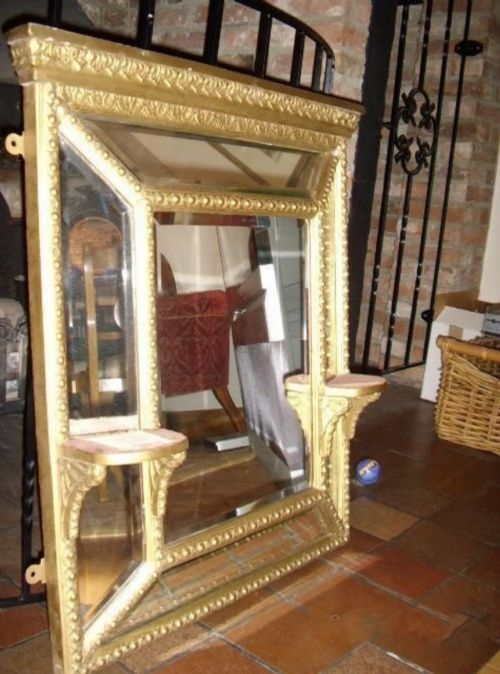
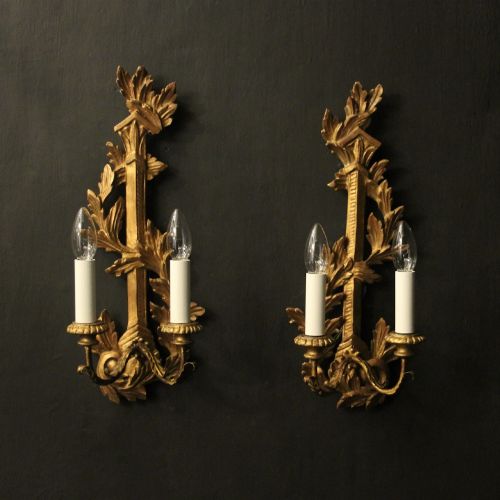
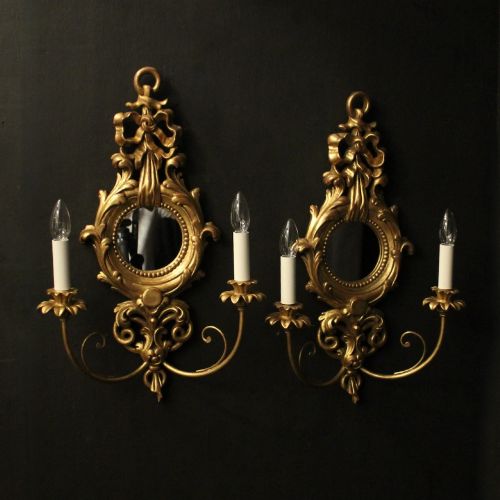
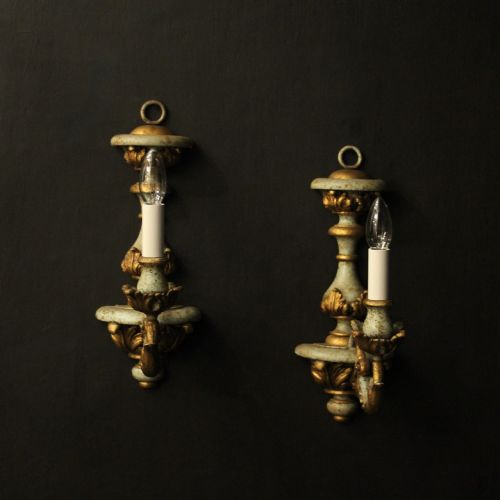
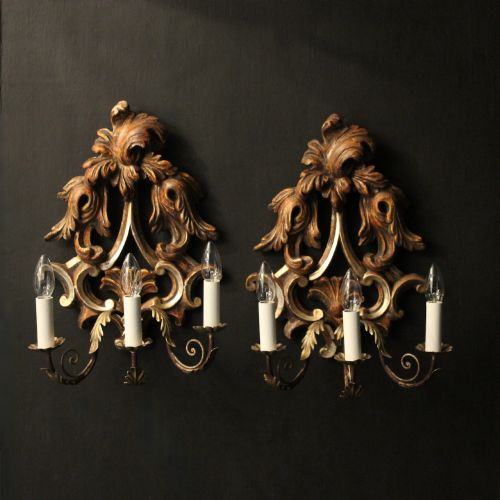
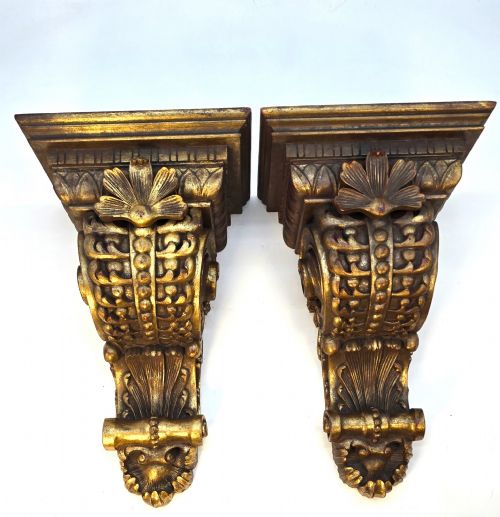
These vintage giltwood bracket pieces bring carved ornament and gilded surfaces to interior walls, offering display space and candle or electric light.
Vintage Giltwood Bracket
When you search for vintage giltwood bracket designs, you encounter carved wooden fixtures designed to be mounted directly onto walls to hold objects or emit illumination. The selections range from single shelves and mirrored display ledges to multi-armed wall lights and girandoles.
The pieces appearing here stem from various periods, including the seventeenth, eighteenth, and nineteenth centuries, alongside early twentieth-century revivals. Italian and French origins dominate the inventory, frequently manifesting in Florentine Rococo, Baroque, and Louis XVI styles.
You are most likely to meet pairs of wall lights or single brackets originating from the 1920s and 1930s. These often feature carved wood and gesso finished in gold or silver leaf, functioning as both decorative ornaments and practical wall furniture.
How they were made
Makers shaped these items primarily from carved wood, applying layers of gesso to smooth the surface before adding gold leaf or silver leaf. This traditional layering creates the reflective, metallic sheen characteristic of giltwood.
Some examples incorporate polychrome decoration, painted pigments applied alongside the gilding, or integrate glass panels such as mirrored backs and console glass. Carved wooden scrolls, foliage, and architectural motifs are built into the structure of the brackets and wall sconces.
Vintage Giltwood Bracket Retail Price Guide 2026
Typical asking prices for vintage giltwood bracket among the pieces listed under this phrase on Sellingantiques today, from the lower quarter to the upper quarter. They describe what is for sale here now, not the wider market.
Many Florentine workshops spent decades perfecting the exact shade of silver gilt to make ordinary pine look like ancient Italian treasure.
What varies in quality
The depth and crispness of the wood carving distinguish finer examples from simpler production. Hand-carved details with sharp undercut foliage display greater artisan skill than cast or heavily gessoed mass variations.
The application and preservation of the gold leaf or silver leaf also determine the calibre of a piece. Original burnished metal leaf retains a warmer, more nuanced reflection compared to flat modern metallic paints.
The Vintage Giltwood Bracket Glossary
- Giltwood
- Wood that has been coated with gold leaf or silver leaf. This finish provides the bright, metallic appearance seen on antique frames and wall fixtures.
- Gesso
- A plaster mixture applied to wood as a base for gilding. It allows artisans to carve intricate details before the metal leaf is laid down.
- Girandole
- A branched wall light or sconce, often incorporating a mirror. The reflective glass multiplies the candlelight or illumination.
- Rococo
- An ornate design style characterised by asymmetry, scrolls, and plant motifs. It heavily influences many Italian and French wall brackets.
- Appliqué
- A wall-mounted lighting fixture or decorative element fixed directly to a vertical surface. The term often describes French sconces.
Vintage Giltwood Bracket: Frequently Asked Questions
How were wall brackets used originally?
These fixtures served to hold decorative objects, clocks, or ceramic pieces off the floor and onto walls. They also provided elevated surfaces for candles in rooms lacking sufficient table space.
Over time, many were adapted or manufactured specifically to incorporate electric lighting arms, merging display function with illumination.
How do I hang a heavy giltwood bracket?
Mounting requires locating appropriate wall anchors or fixing directly into timber studs behind the plaster. Because carved wood and gesso carry considerable weight, secure wall attachments are essential.
Professional installation is recommended for larger multi-arm wall lights or mirrored consoles to ensure safety.
How do I tell different periods apart?
Earlier pieces from the seventeenth and eighteenth centuries show deeper hand-carving and distinct patination in the gilt surfaces. Twentieth-century revivals often replicate these Baroque or Rococo styles but utilise cleaner backing structures.
Examining the construction joints and the wear on the gesso helps clarify the age of the wood.
How do I clean giltwood safely?
Dust the carved surfaces gently with a soft, dry brush or feather duster to remove particles without disturbing the leaf. Avoid using water, solvents, or commercial polishes.
Moisture can lift the delicate gesso layer beneath the gold leaf, causing permanent damage to the finish.