


Vintage Gilt Vessels
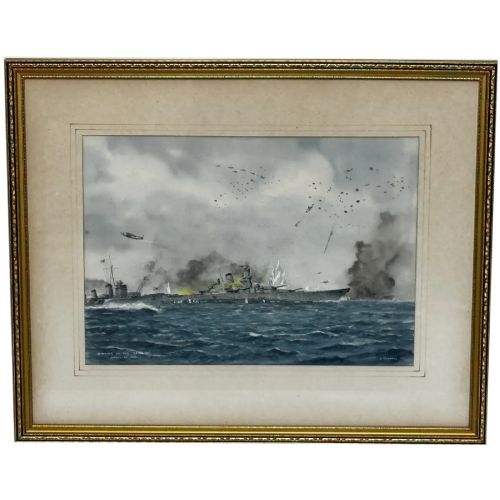
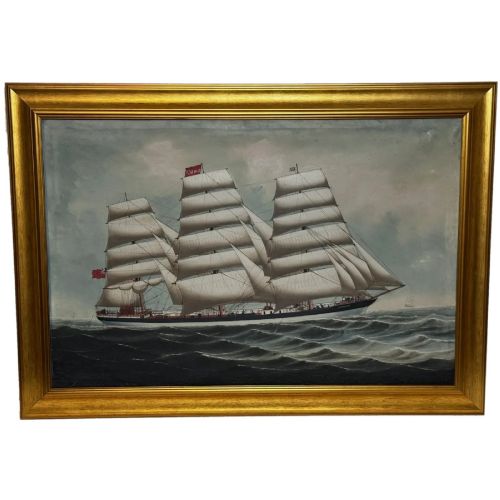
Vintage gilt vessels encompass a diverse group of objects finished with gold leaf, gilt bronze or metal, uniting functional forms and decorative items across multiple periods.
Vintage Gilt Vessels
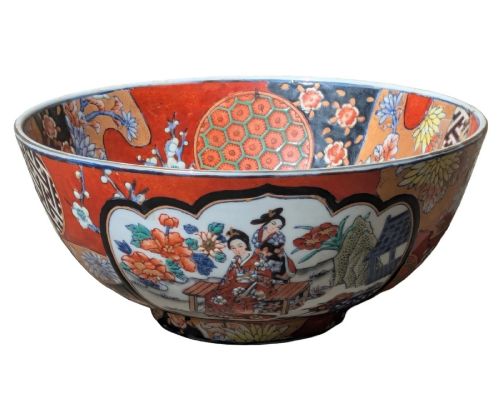
When searching for vintage gilt vessels, buyers encounter a broad array of decorative objects including vases, urns, jardinieres, bowls, and beakers originating from various global traditions and periods.
The selection ranges from nineteenth-century European porcelain and Bohemian glass to Chinese cloisonné and Japanese Satsuma ware, reflecting shifting ornamental tastes across different decades.
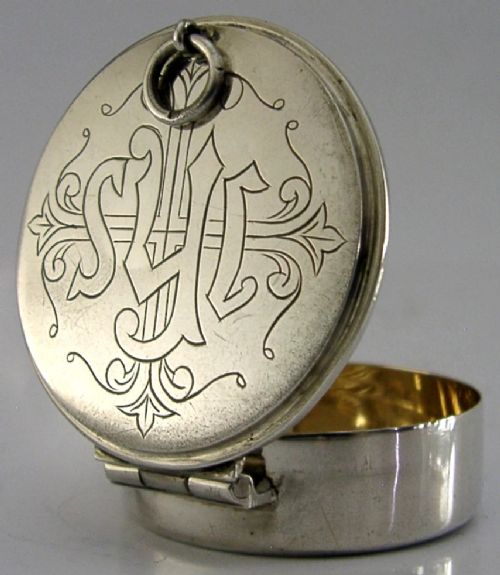
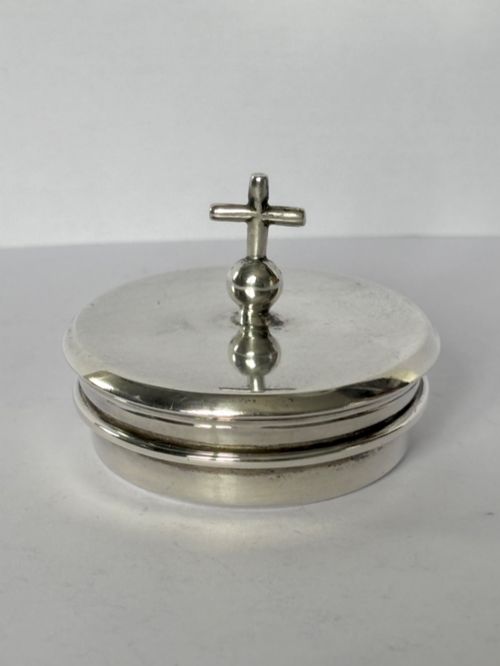
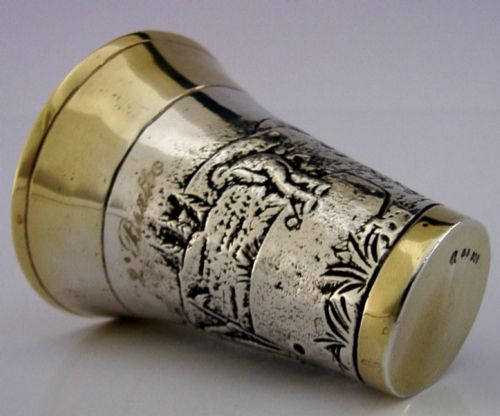
Vessels span utilitarian forms adapted for display, such as ecclesiastical pyx boxes and barware cups, alongside purely decorative ceramics and glass.
Materials and technique
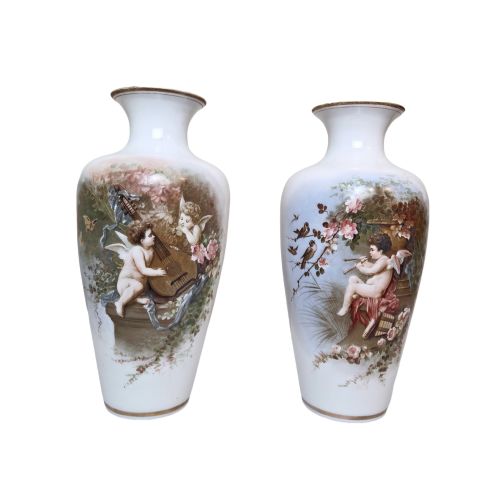
Makers utilised traditional bases of porcelain, glass, bronze, and wood, applying surface decoration through enamelling, hand-painting, and precise metalwork techniques.
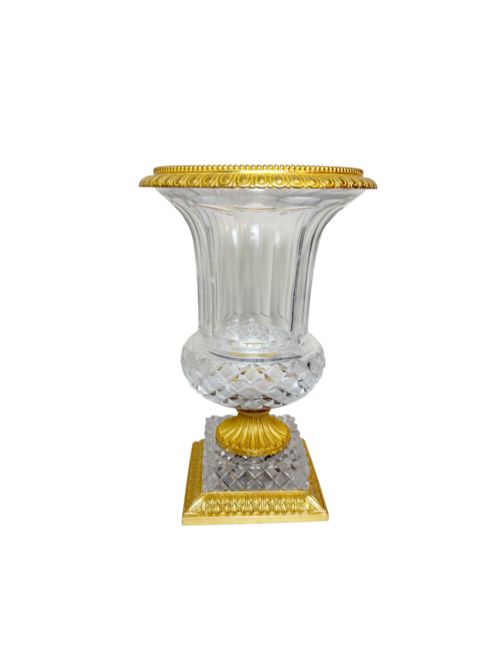
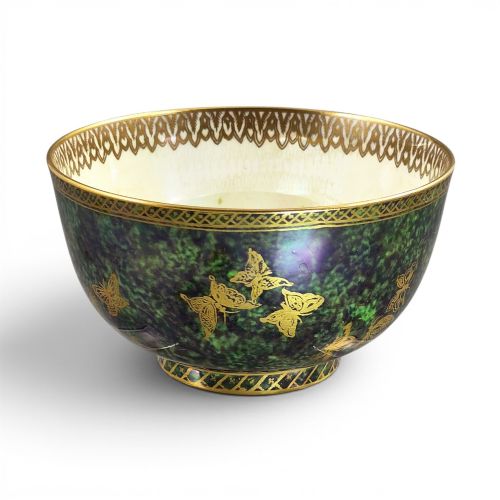
Gilding was achieved using applied gold leaf, fire gilding on bronze, or painted liquid gold accents, often combined with champlevé or cloisonné enamel wirework.
Glass pieces demonstrate cutting, engraving, and casing methods to expose contrasting layers beneath the gilded surface.
Vintage Gilt Vessels Retail Price Guide 2026
Typical asking prices for vintage gilt vessels among the pieces listed under this phrase on Sellingantiques today, from the lower quarter to the upper quarter. They describe what is for sale here now, not the wider market.
The inventory records diverse origins, including English porcelain, Japanese Satsuma ware, Chinese cloisonné, and Bohemian glass.
What separates the grades
Superior examples exhibit meticulous hand-painted detail and precise execution of enamel work or metal chasing, whereas lower tiers rely on mechanical stamping or simplified surface decoration.
The integrity of the original gilt surface and the balance of the form dictate the aesthetic success of the piece, with heavier wear to the gold leaf diminishing the overall visual impact.
William Calcott Knell·Hans Harlander·Reginald Arthur Borstel·F Osborne And Co London·Eric Tufnell·Bernard Benedict Hemy·Daisy Makeig Jones·Walter Powell·George Shaw·Chosei·Hendrik Willebrord Jansen·Jacob Petit·Frank Wood·John Davison Liddell
The Vintage Gilt Vessels Glossary
- Cloisonné
- An ancient technique for decorating metalwork objects with coloured material held in place by thin metal strips soldered to the base. These raised wires form compartments that receive enamel paste before firing.
- Gilt bronze
- Metal mounts or vessels cast in bronze and treated with a layer of gold. This finish provides a durable, lustrous surface popular in nineteenth-century decorative arts.
- Jardiniere
- An ornamental pot or stand designed to hold growing plants or flowers. They appear in ceramic, metal, and cloisonné enamel.
- Pyx
- A small round container used in ecclesiastical contexts to hold sacramental bread. Examples often feature sterling silver and gold gilt interiors.
- Satsuma ware
- A type of Japanese pottery traditionally characterised by a ivory-coloured, cracked glaze decorated with polychrome enamels and gilt. It gained significant popularity for export during the Meiji period.
Vintage Gilt Vessels: Frequently Asked Questions
What periods do these vessels represent?
The listings span the nineteenth century through the mid-twentieth century, including Victorian, Edwardian, and Art Deco eras. Meiji period Japanese works and early twentieth-century Chinese cloisonné also feature prominently.
Stylistic shifts move from ornate Rococo Revival designs towards cleaner modernist lines by the mid-twentieth century.
How do I identify Chinese cloisonne vessels?
Cloisonné pieces feature intricate patterns created by soldered metal wires that create small cells filled with coloured enamel. The entire surface is then fired, ground smooth, and polished.
Gilt bronze or brass edges typically frame the mouth and base of these vessels, showing weight and robust construction.
Can these vessels be used for fresh flowers?
While many jardinieres and vases were designed to hold plants or water, older ceramics and glass require caution. Thermal shock or moisture penetration can damage fragile interior glazes or historical repairs.
Use a removable inner liner or keep them strictly for dry display to preserve fragile gilt surfaces and porous bodies.