

Vintage Gilt Pendant Light
A vintage gilt pendant light brings warm illumination and ornate character to a room through gilded metalwork and glass.
Vintage Gilt Pendant Light
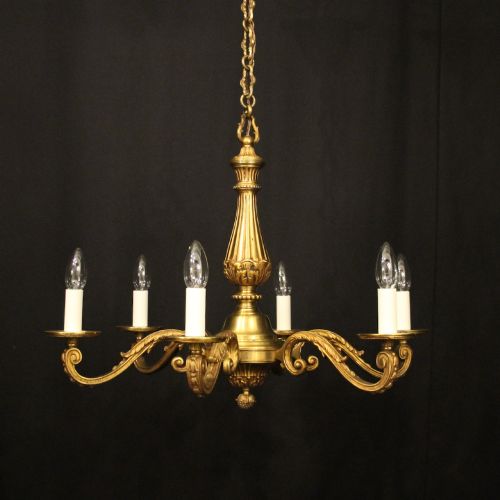
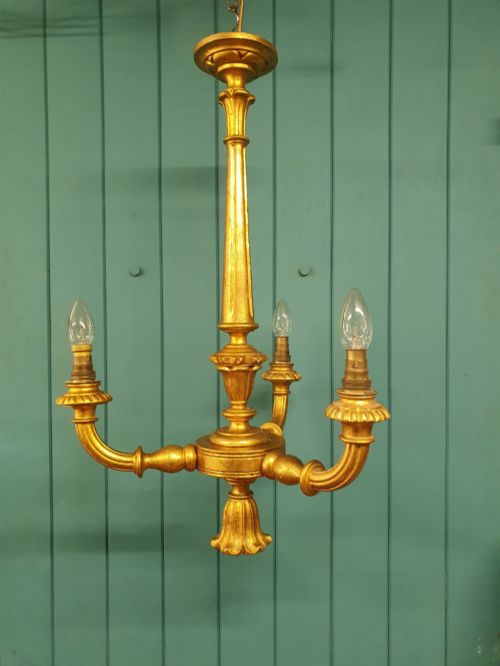
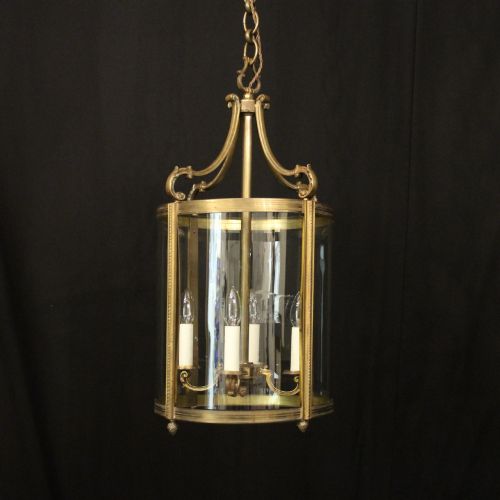
When searching for a vintage gilt pendant light, buyers encounter a diverse selection of period ceiling fixtures, including chandeliers, hanging lanterns, and glass globe pendants. These pieces span eras from the late nineteenth century through the early twentieth century, incorporating Edwardian designs alongside various continental styles.
Materials and construction techniques
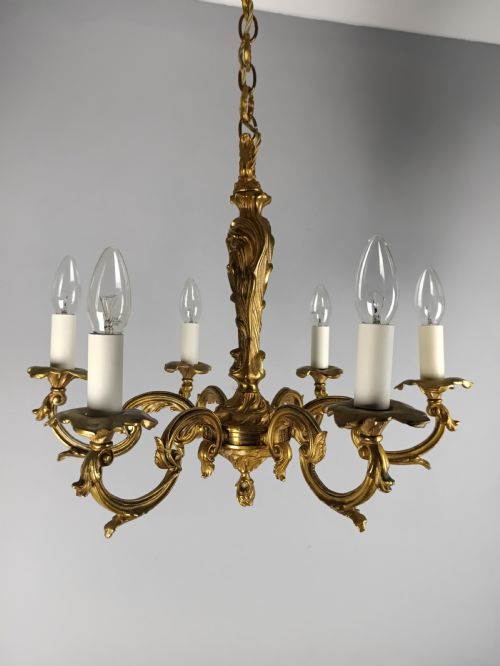
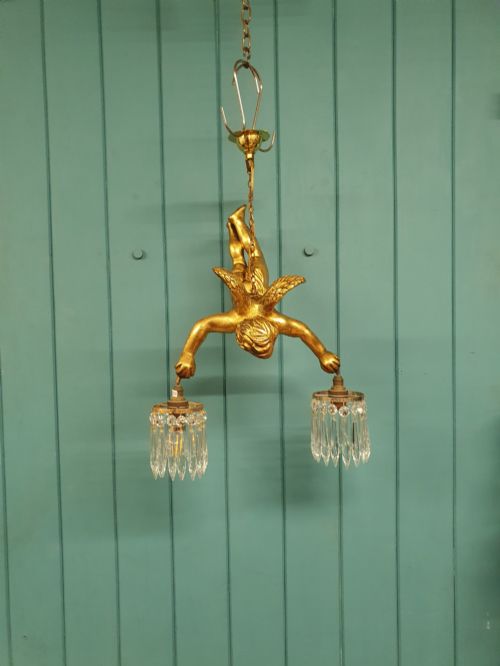
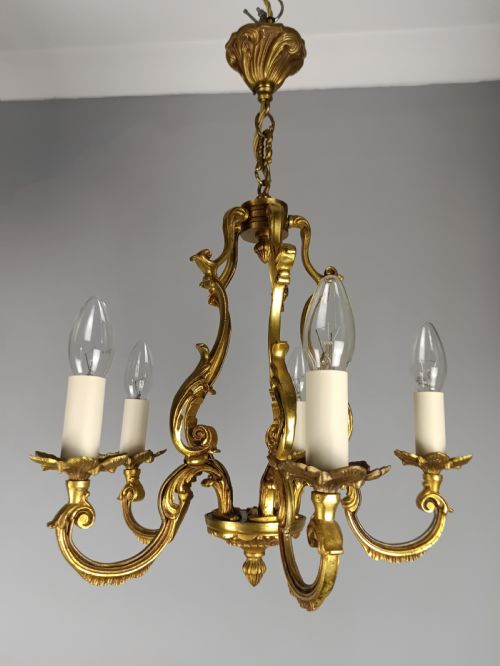
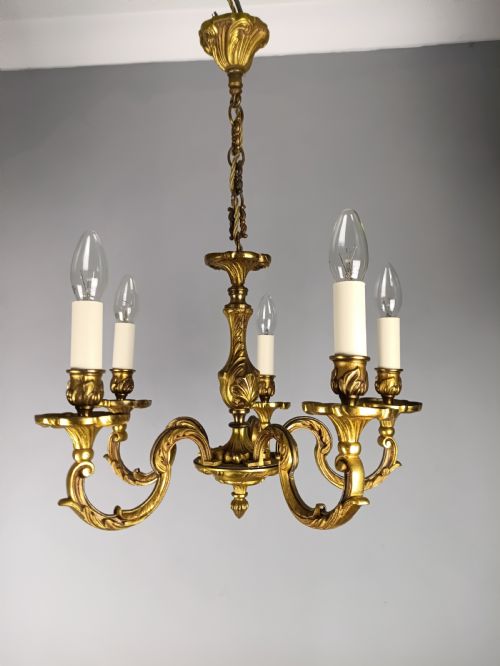
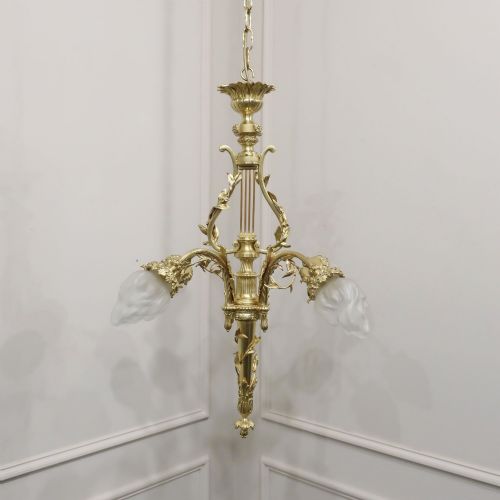
The construction of these fixtures relies heavily on cast and chased bronze, brass, and spelter, which received applied layers of gold leaf or gilt finishes to create a luminous surface. Artisans integrated structural frames with decorative cast elements such as winged cherubs, leaf motifs, and neoclassical lyres.
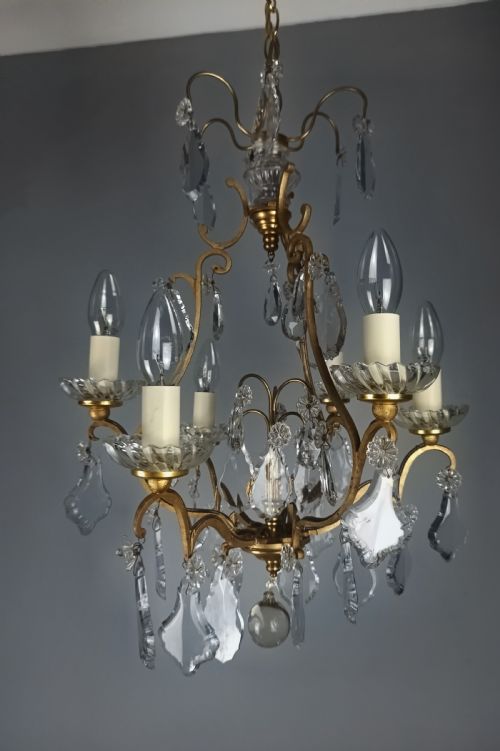
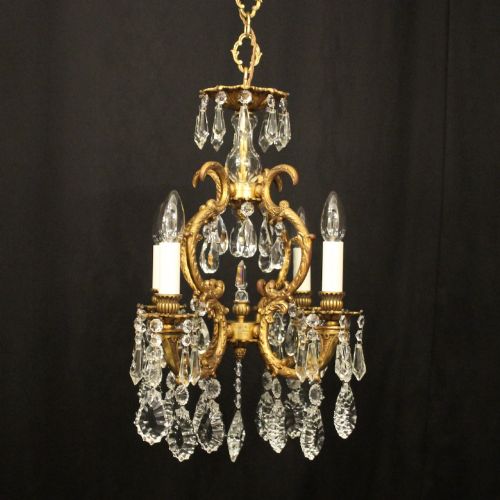
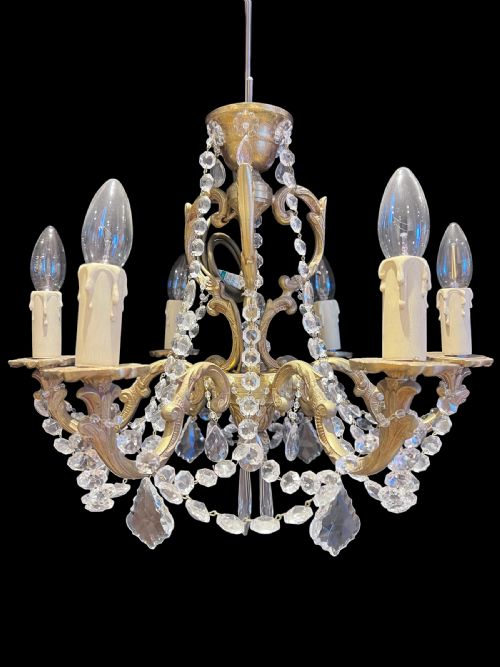
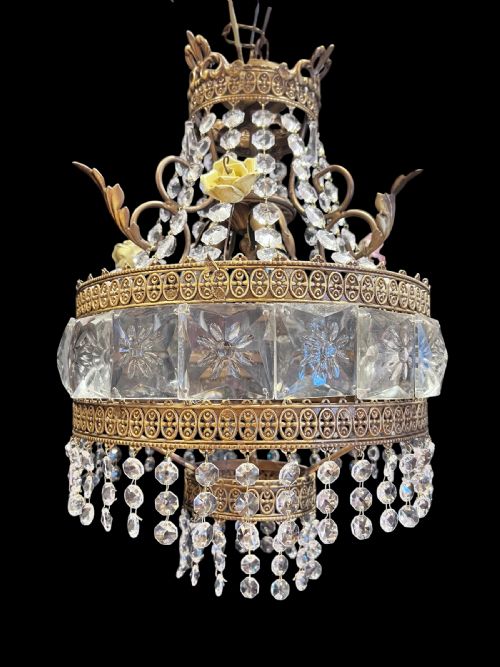
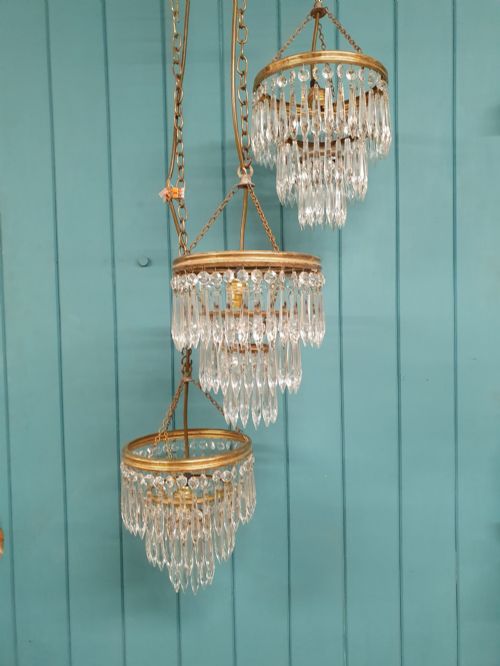
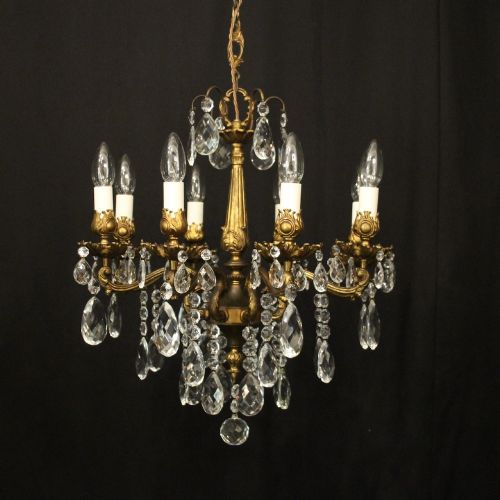
Transparent elements like cut glass crystals, etched glass panels, and Venetian art glass globes were wired into the metal armatures alongside porcelain flowers and toleware components. The assembly of multi-light fixtures required careful balancing of branches, crystal prisms, and tent configurations to distribute weight and light evenly.
Several flying cherubs and winged cupids dangle above these light fittings, keeping a watchful, gilded eye on the rooms below.
Quality variations in period lighting
The standard of a fixture is largely determined by the crispness of the metal casting and the depth of the gilding applied to the bronze, brass, or gesso surfaces. Finer examples display meticulously hand-chased details on floral motifs, cherubs, and scrolling arms rather than soft, mass-produced contours.
The integration and quality of the crystal or glass components also dictate the tier of the piece, with hand-cut prisms and etched glass panels offering superior light refraction compared to plain pressed glass. Furthermore, the structural integrity of the internal wiring channels and the solidity of the main frame distinguish high-grade workshop production from simpler utility pieces.
G.E.C
The Vintage Gilt Pendant Light Glossary
- Gilt bronze
- An alloy of copper and zinc or tin treated with a gold leaf or mercury gilding finish, frequently utilised in French antique chandeliers.
- Tent and waterfall
- A chandelier configuration where strings of small crystals form an upper canopy resembling a tent, cascading downwards over the main arms.
- Spike chandelier
- A vertical lighting form featuring sharp crystal drops or spears arranged around the central stem or arms.
- Toleware
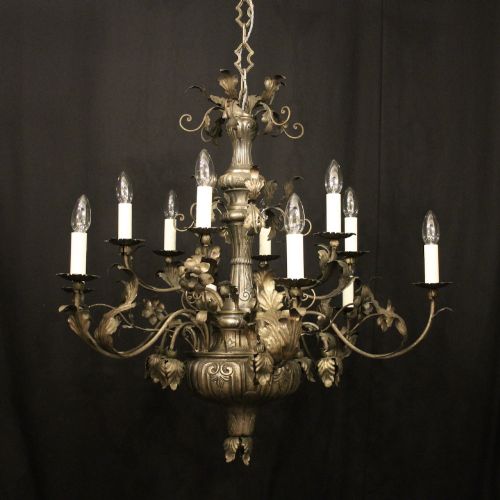
- Painted tinware often shaped into floral or decorative foliage forms and incorporated into mid-century and earlier light fixtures.
Vintage Gilt Pendant Light: Frequently Asked Questions
How do I hang a heavy antique chandelier?
Hanging a heavy fixture requires securing the mounting directly into a ceiling joist or structural beam using an appropriate metal bracket and ceiling box. The weight of gilt bronze and crystal pieces demands professional installation to ensure ceiling stability.
Once secured, the electrical wiring must be connected by a qualified electrician to comply with safety standards. Adjusting the chain length should be done before final electrical connection to achieve the correct hanging height.
How do I clean a gilt pendant light?
Dusting the metal frame and glass elements regularly with a soft, dry brush prevents dirt accumulation on the gilded surfaces. Avoid using harsh chemical cleaners or abrasive cloths that can strip the gold leaf or damage antique patination.
For crystal prisms, removing them individually for gentle washing in warm soapy water restores their brilliance. Ensure the fixture is completely disconnected from the mains electricity before undertaking any cleaning.
Can these lights take modern LED bulbs?
Most antique fixtures can accommodate modern LED bulbs provided the Edison screw or bayonet fitting matches the original sockets. Selecting low-wattage warm white LEDs replicates the soft glow of historic lighting without generating excessive heat.
Rewiring may be necessary for older fittings to ensure the lamp holders safely accept contemporary bulbs. Consult a lighting specialist if the internal wiring appears brittle or deteriorated.
How do I date a vintage pendant light?
Dating relies on identifying stylistic markers, such as Edwardian neoclassical motifs, Art Deco glass forms, or late nineteenth-century gesso techniques. The choice of metal, whether cast gilt bronze, brass, or spelter, often points to the manufacturing period. Nail heads, screw types, and wiring methods can also offer clues regarding the age of the construction. Comparing the decorative vocabulary to documented examples helps narrow down the decade of production.