




Vintage Gilt Metal Box
A vintage gilt metal box brings small-scale luxury to a desk, dressing table or mantelpiece.
Vintage Gilt Metal Box
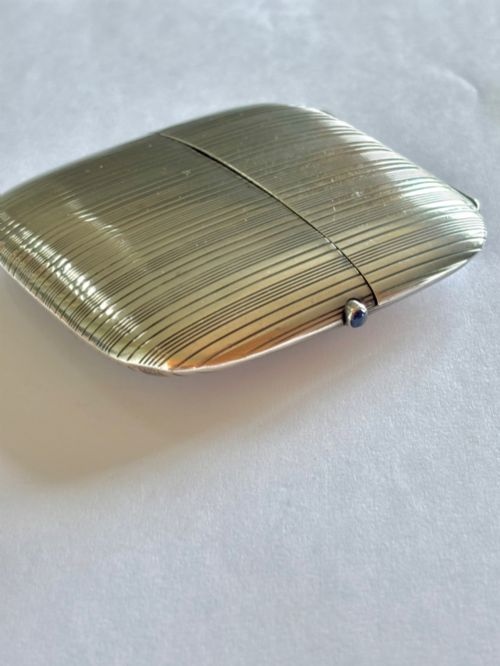
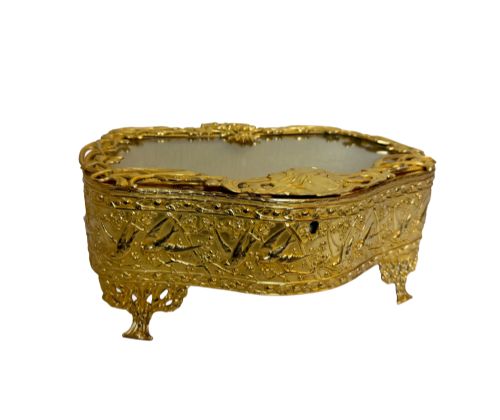
A vintage gilt metal box is a small lidded container designed to hold jewellery, snuff, trinkets or keepsakes, finished with a golden surface layer. These pieces range from Georgian gold-plated and South Staffordshire examples to nineteenth-century French ormolu trinket boxes and twentieth-century Art Deco silver gilt cases.
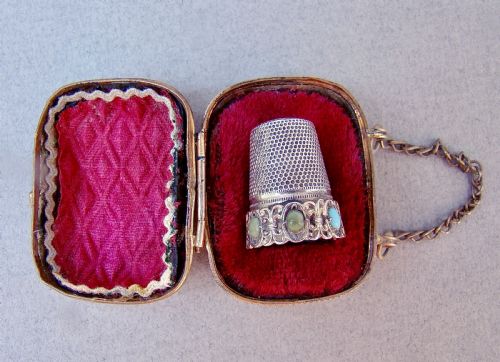
The most common versions met here are nineteenth-century French ormolu and gilt bronze trinket boxes lined with velvet, alongside pocket-sized snuff boxes and desktop containers from the Georgian era onwards. Form follows function closely, taking the shape of hinged caskets, small chests, and shallow rectangular containers.
Origins stretch across Britain, France, Germany, and Italy, reflecting varied local manufacturing traditions from hand-chased brass to delicate porcelain-mounted frames. Buyers find both simple utilitarian containers and ornate decorative caskets designed primarily for display.
Materials and construction
Construction relies on base metals such as brass, bronze, steel, and copper, which receive a fine layer of gold through fire gilding, electroplating, or the application of ormolu. Artisans then joined these metal frames with hinges and clasps, often incorporating interior linings of velvet or silk.
Decoration involves chasing, engraving, and repoussé relief work, frequently combined with inset panels of glass, porcelain, painted enamel, or gemstones. Artisans shaped these components by hand or utilised early mechanical pressing techniques depending on the period.
Vintage Gilt Metal Box Retail Price Guide 2026
Typical asking prices for vintage gilt metal box among the pieces listed under this phrase on Sellingantiques today, from the lower quarter to the upper quarter. They describe what is for sale here now, not the wider market.
Listings feature items from the 18th Century through the mid-20th Century, constructed in brass, gilt metal, silver gilt, and ormolu.
What separates the finest examples
Quality rests upon the crispness of the metal chasing and the purity of the gilding, where deeper, richer gold layers endure decades of handling without wearing away to the base brass or bronze. Superior pieces show precision in the alignment of hinges and the tight closure of lids.
The integration of secondary materials like hand-painted porcelain plaques, cut glass panels, or cabochon gemstones dictates the upper tier of craftsmanship. Better examples maintain their original interior linings and structural integrity without looseness in the joints.
Karl Griesbaum·Huntley And Palmers
The Vintage Gilt Metal Box Glossary
- Ormolu
- A method of applying finely ground high-carat gold amalgam to a bronze or brass object, common in French decorative pieces. This technique creates a rich, matte golden finish that defines nineteenth-century luxury caskets.
- Vinaigrette
- A small ornamental box fitted with a perforated internal grille holding a sponge soaked in aromatic vinegar. These pocket-sized containers were carried to counter unpleasant odours in public spaces.
- Snuff box
- A small, tightly sealed container designed to hold powdered tobacco for nasal ingestion. Georgian and eighteenth-century examples often feature hinged lids with engraved or enamelled decoration.
- Chatelaine
- A decorative belt hook worn with a series of suspended chains carrying small utility items like thimble cases and trinkets. These fixtures kept essential household and needlework tools close at hand.
- Repoussé
- A metalworking technique where the artisan hammers the metal from the reverse side to form a raised design in relief. This method creates tactile surface patterns on decorative boxes.
Vintage Gilt Metal Box: Frequently Asked Questions
How do I clean a gilt metal box?
Dust gently with a soft, dry artist's brush to clear debris from crevices without disturbing the gold surface.
Avoid liquid cleaners, chemical polishes, and abrasive cloths entirely, as these remove the thin layer of gilding permanently.
What were these small boxes used for?
Owners kept personal valuables, jewellery, sewing accessories, or aromatic vinegars inside these lidded containers.
Many functioned as pocket items for daily use, while larger varieties sat permanently on dressing tables or desks.
How can I tell the period of a box?
Examine the construction methods, hinge styles, and locking mechanisms alongside any stamped hallmarks or retailer marks.
Stylistic cues such as Rococo revival scrolls or Art Deco geometric lines point directly to specific manufacturing decades.
Are the interiors usually original?
Many surviving pieces retain their original silk, velvet, or paper linings, though wear is common after centuries of use.
Original linings show period-appropriate fading and wear patterns that match the exterior age of the metalwork.