



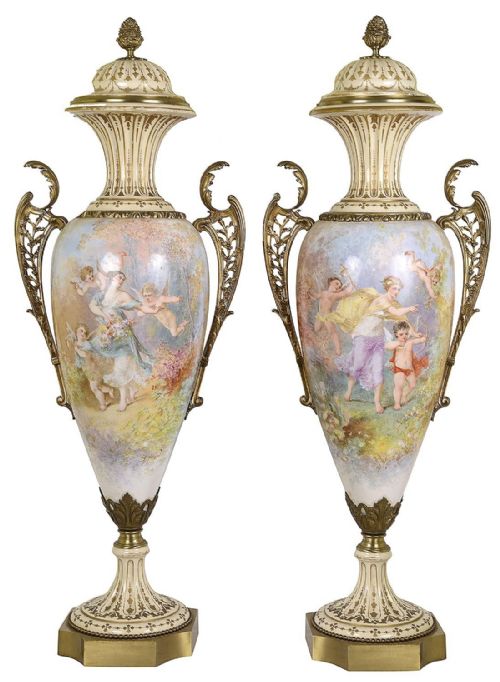


Vintage Gilt Bronze Vase
A vintage gilt bronze vase brings metallic warmth and decorative presence to a room, drawing the eye with its rich surface.
Vintage Gilt Bronze Vase
A vintage gilt bronze vase is a decorative metal vessel often adapted as a table lamp or paired in matching sets, spanning the nineteenth century up to nineteen thirty. These pieces frequently incorporate imported elements, merging Asian ceramics with European metalwork.
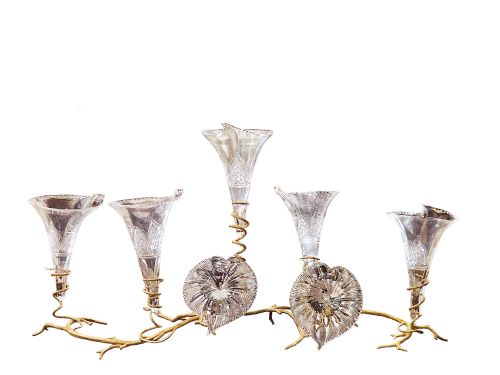
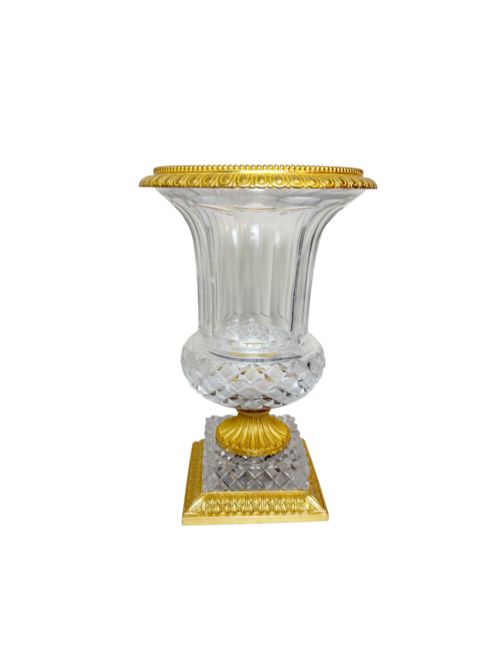
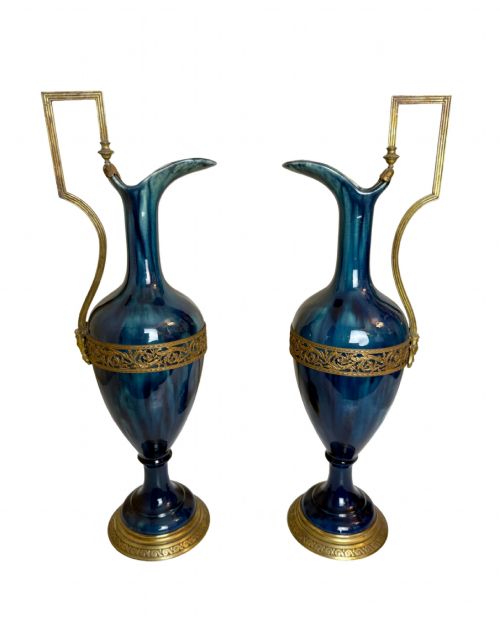
The selections on this page showcase distinct international influences, ranging from Qing Dynasty and Japanese Meiji Period aesthetics to French Neoclassical and Rococo Revival designs. Buyers frequently encounter forms such as urns, epergne centrepieces, and lidded vases mounted in ormolu or gilt metal.
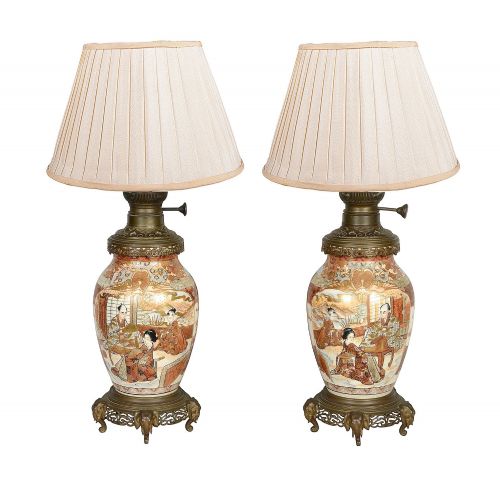
Many examples in the current inventory function as converted lamps or retain the potential for conversion, combining structural porcelain or cloisonné bodies with metal mounts. This duality of form defines the category, offering both sculptural presence and functional lighting.
Construction and materials
Makers constructed these vessels using base metals like bronze, ormolu, and brass, frequently applying a layer of gold gilt to achieve a lustrous metallic finish. These metal components were cast and chased to form decorative mounts, handles, and trims.
Body sections frequently incorporate porcelain, earthenware, or copper cloisonne work, sometimes enhanced with enamel detailing or silk and fabric elements. The combination of ceramics and metal required precise fitting to secure mounts onto fragile surfaces without causing damage.
Vintage Gilt Bronze Vase Retail Price Guide 2026
Typical asking prices for vintage gilt bronze vase among the pieces listed under this phrase on Sellingantiques today, from the lower quarter to the upper quarter. They describe what is for sale here now, not the wider market.
Several vases double as clandestine lighting rigs, having traded their original floral duties for a glowing second career as table lamps.
Assessing quality and craftsmanship
Quality reveals itself in the crispness of the chasing on the gilt bronze and ormolu mounts, where deeper, sharper detail indicates superior hand-finishing. Weight and balance also separate robustly constructed pieces from lighter, less substantial items.
The integration between the metal mounts and the porcelain or cloisonne body dictates the overall standard of manufacture. Finer examples display seamless alignment and secure fastening, whereas lesser pieces show awkward joins and crude fixings.
The Vintage Gilt Bronze Vase Glossary
- Gilt Bronze
- Bronze that has been coated with a thin layer of gold to give a rich metallic appearance. This technique protects the underlying metal while providing a bright, decorative surface.
- Ormolu
- Finely ground high-carat gold applied to a bronze base object through a mercury gilding process. The finish creates a distinct yellow-gold lustre characteristic of fine decorative metalwork.
- Cloisonne
- An ancient enamel technique where thin metal wires are soldered to a metal base to create compartments filled with paste and fired. The resulting surface displays intricate patterns of coloured glass enamel.
- Satsuma
- A type of Japanese earthenware pottery featuring a crackle glaze and ornate polychrome enamel decoration. These wares were frequently exported to Europe and mounted in metal bases.
- Epergne
- A large table centrepiece featuring multiple branching dishes or holders designed to display fruit or flowers. Nineteenth-century versions often combine glass or ceramic bowls with elaborate metal stands.
Vintage Gilt Bronze Vase: Frequently Asked Questions
What is a vintage gilt bronze vase?
A vintage gilt bronze vase is a decorative vessel made from bronze or brass treated with a gold surface finish, often featuring mounts of ormolu or gilt metal. These pieces date across the nineteenth century and into the early twentieth century.
Many examples incorporate porcelain bodies, cloisonne panels, or Satsuma earthenware, and some have been converted into table lamps for modern use.
How do I identify the period?
Identifying the period involves examining the stylistic cues, such as French Empire, Rococo Revival, or Meiji Period motifs, alongside the construction of the metal mounts. Nineteenth-century pieces typically show hand-chased detailing and traditional assembly methods.
Materials like hand-painted porcelain, cloisonne enamel, and heavy cast bronze offer further clues to date the object accurately within the nineteenth or early twentieth century.
Can these vases be used as lamps?
Many of these vessels are already configured as table lamps or retain structural adaptations for electrical wiring. The robust metal and ceramic bodies provide a stable base for lighting.
Buyers often select these items specifically to serve as decorative lamps while retaining their original antique character and craftsmanship.
How do I care for gilt bronze?
Maintaining gilt bronze requires gentle dusting with a soft, dry cloth to prevent the accumulation of dirt within the chased details. Avoid harsh chemical cleaners or abrasive polishes, which can strip away the delicate gold layer.
Keeping the object away from direct moisture and extreme temperature fluctuations preserves the integrity of both the metal and any accompanying porcelain or enamel elements.