


Vintage Gilt Bowls
Vintage gilt bowls bring gilded warmth and decorative presence to a room, spanning periods from the Victorian era to the Art Deco years.
Vintage Gilt Bowls
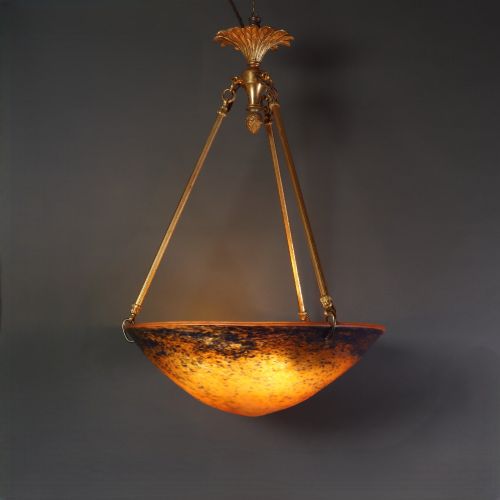
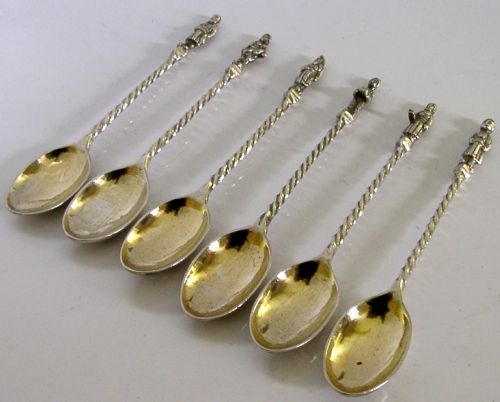
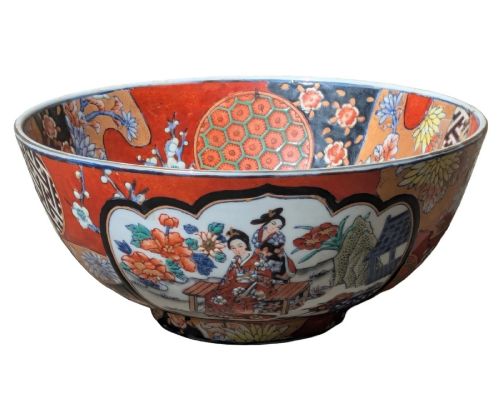
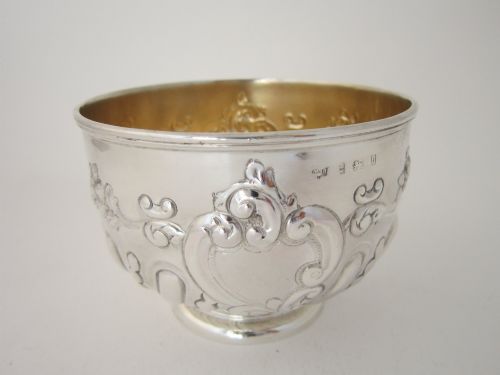
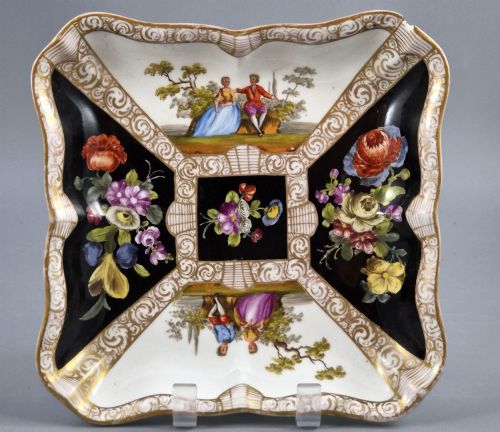
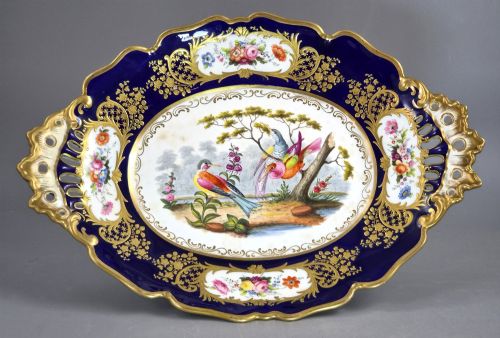
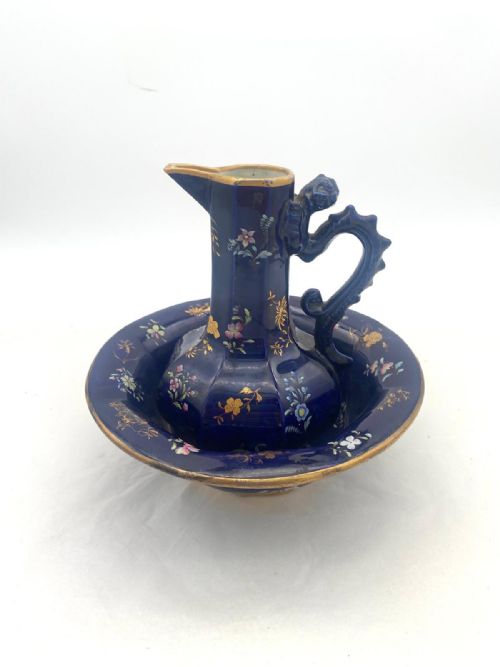
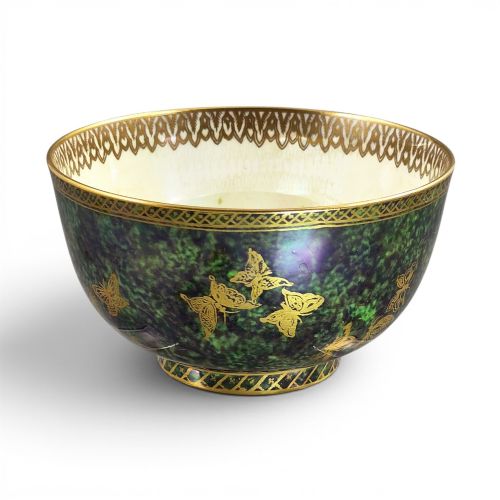
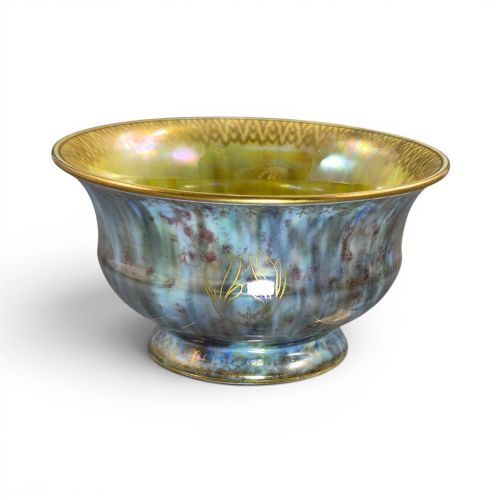
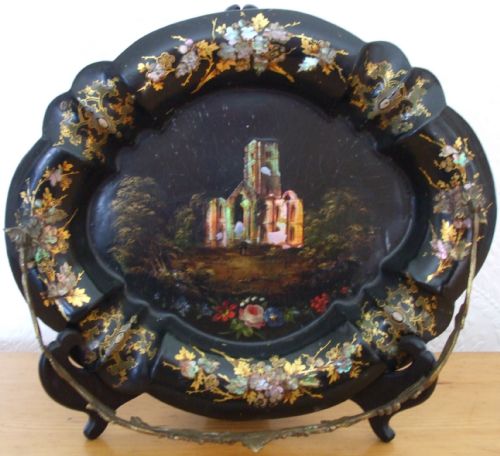
When you search for vintage gilt bowls, you encounter decorative vessels fashioned from porcelain, glass, and metal, often embellished with gold leaf or gilding. These pieces serve as centrepieces, serving dishes, and display bowls that reflect the aesthetic tastes of the nineteenth and early twentieth centuries.
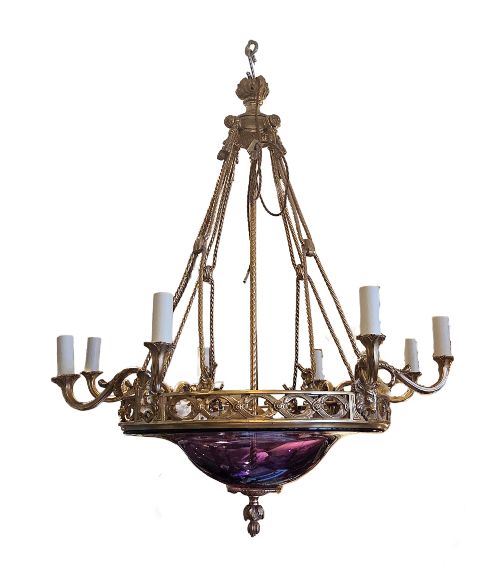
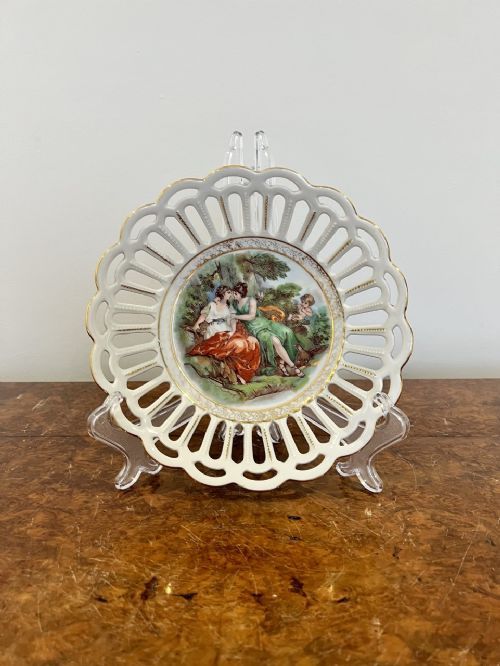
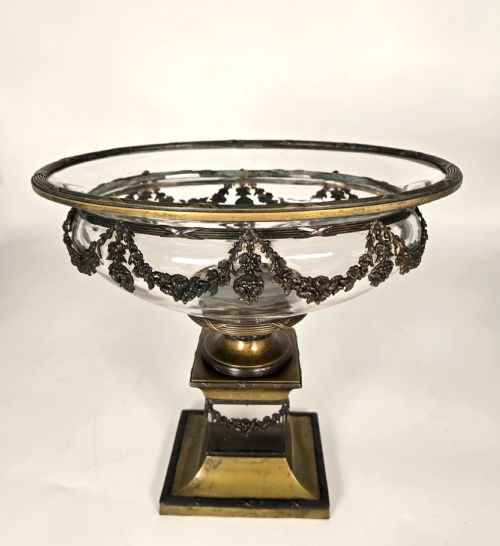
The selections available here lean heavily towards Victorian, Edwardian, and Art Deco designs, drawing on periods such as the 1900s and 1920s. You will find items ranging from French ormolu-mounted glass pedestals to English porcelain dishes finished with intricate lustre glazes.
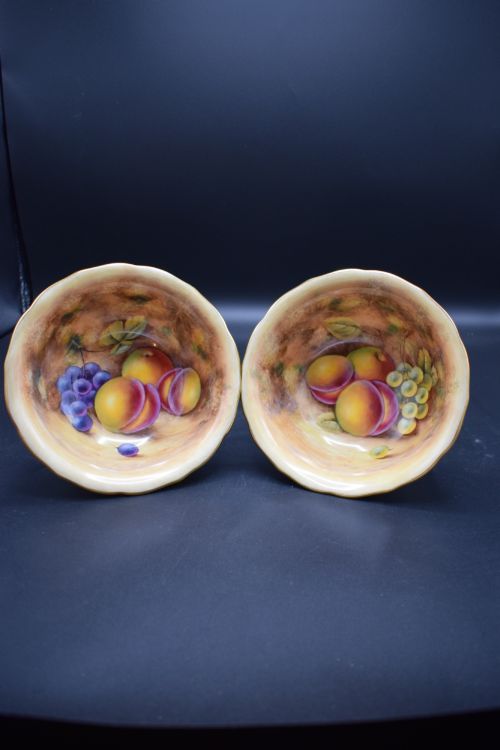
Many examples combine functional forms with ornate surface decoration, incorporating styles from Rococo Revival to French Empire. Whether rendered in bone china or heavy glass, each vessel offers a distinct glimpse into historical craftsmanship.
How they were made
Craftsmen applied gold leaf, gilding, and lustre glaze to porcelain, bone china, and glass bases to achieve the luminous surfaces characteristic of these objects. Metal pieces often relied on bronze or ormolu mounts to support glass inserts.
Potteries and workshops utilised traditional firing and hand-painting techniques, applying enamel colours and metallic layers before secondary firing. Glass pieces were frequently cut, frosted, or combined with metal mountings during assembly.
Vintage Gilt Bowls Retail Price Guide 2026
Typical asking prices for vintage gilt bowls among the pieces listed under this phrase on Sellingantiques today, from the lower quarter to the upper quarter. They describe what is for sale here now, not the wider market.
Listings feature items from the 18th century through to the 1940s, spanning porcelain, glass, silver, and bronze.
What varies in quality
The distinction between tiers rests upon the precision of the hand-painting, the crispness of the gilt work, and the weight of the underlying material. Heavier bronze mounts and finely detailed enamel scenes indicate superior execution.
Condition of the gold leaf and integrity of the glass or porcelain body dictate the overall standard. Pieces retaining unrubbed gilding and intact applied ornamentation sit at the higher end of the scale.
Coalport·Meissen·Royal Doulton·Wedgwood·Royal Worcester
The Vintage Gilt Bowls Glossary
- Gilt
- Covered thinly with gold leaf or gold paint. This finish provides the characteristic metallic sheen seen on vintage surfaces.
- Ormolu
- Finely ground high-carat gold-mercury amalgam applied to a bronze object. It gives a rich golden appearance to decorative mounts and stands.
- Lustre Glaze
- A type of pottery glaze yielding an iridescent metallic gloss. It reflects light in rainbow colours across the ceramic surface.
- Centrepiece
- An ornamental item placed in the middle of a table. These large bowls often anchor a dining setting or display arrangement.
- Bone China
- Soft-paste porcelain incorporating animal bone ash. This composition allows for thin, durable vessels with a milky white appearance.
Vintage Gilt Bowls: Frequently Asked Questions
Are these bowls suitable for food?
Most vintage decorative bowls are intended for display rather than daily dining use. Older glazes and metallic finishes can wear down or react with certain foods.
Consider utilising them as mantel centrepieces or dry tabletop storage rather than serving wet dishes. This preserves the historical surface decoration.
How do I date a gilt bowl?
Examine the base for maker marks, backstamps, or registration numbers that correspond to manufacturer production years. Stylistic clues such as Art Deco geometric lines or Victorian floral motifs also narrow down the era.
Material composition and manufacturing techniques provide further context for the period of creation. Compare these elements against known historical ranges.
What is the difference between ormolu and gilt bronze?
Ormolu specifically refers to a mercury gilding technique applied to bronze objects during the eighteenth and nineteenth centuries. Gilt bronze is a broader term encompassing any bronze piece coated in gold leaf or paint.
Both finishes produce a brilliant metallic decoration popular in French Empire and Victorian styles.