

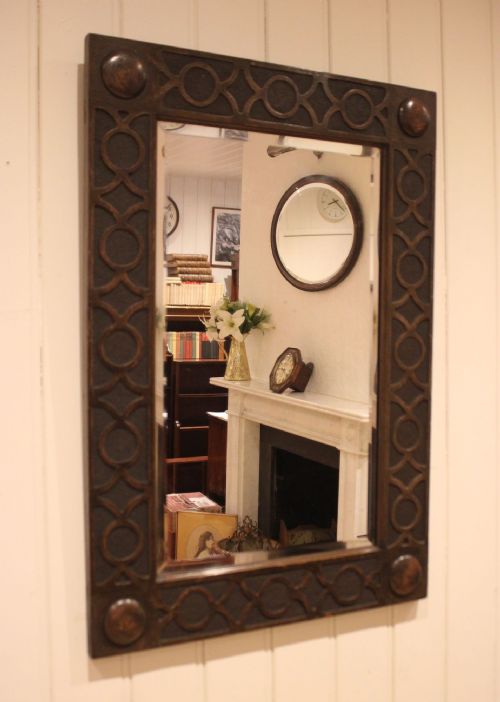


Vintage Geometric Mirror
These vintage geometric mirror designs bring bold lines and clean angles into a room, offering both striking wall art and practical reflection.
Vintage Geometric Mirror
When you search for a vintage geometric mirror, you are looking at items defined by clean angles, octagonal shapes, diamond forms, and symmetrical frames originating predominantly from the Art Deco period, along with earlier Edwardian and Victorian aesthetic examples.
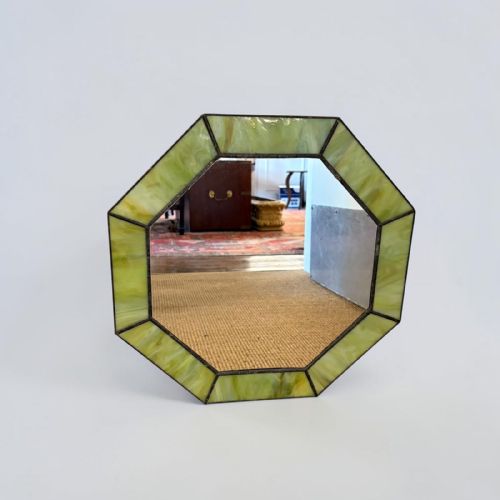
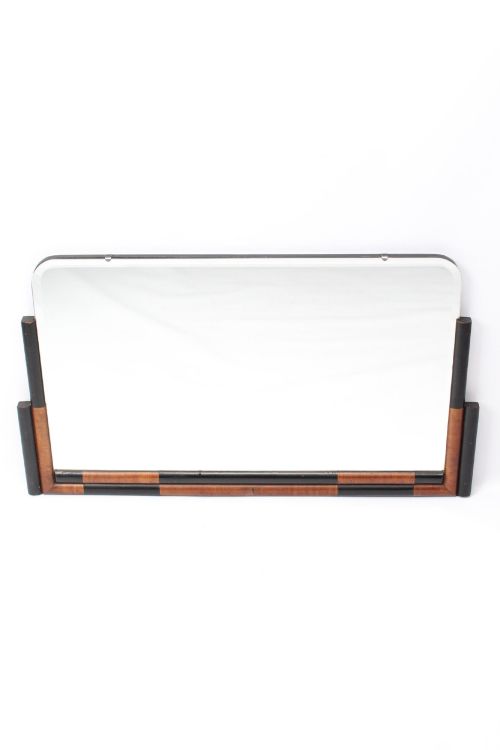
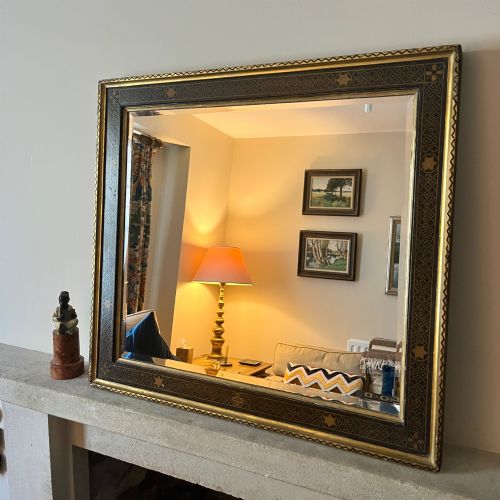
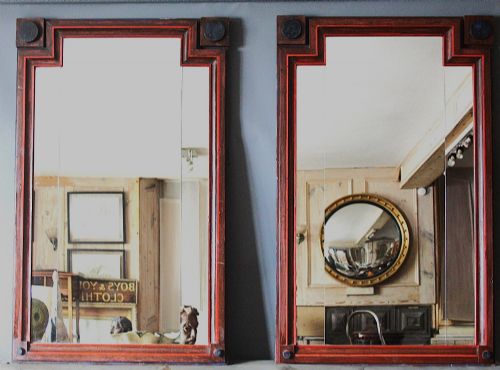
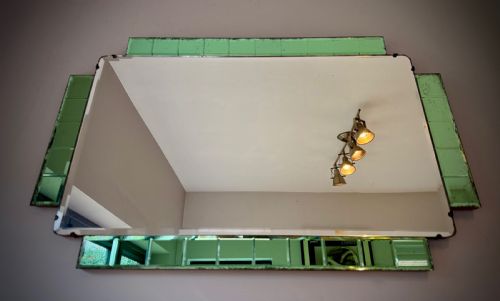
The selections available range from frameless octagonal wall hangings and multi-section plates to walnut-framed designs and pieces incorporating emerald green glass panels or brass details.
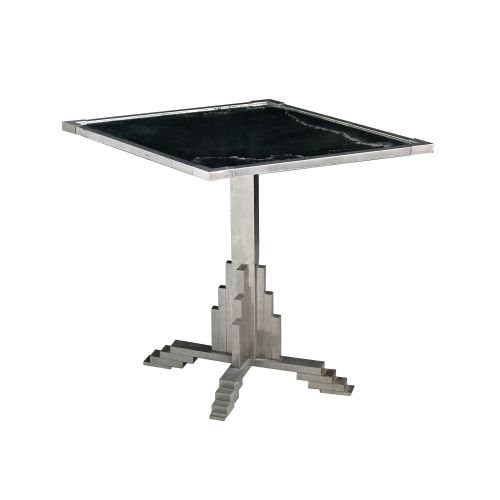
Beyond straightforward wall mirrors, the category stretches to embrace related mirrored items such as vanity mirrors on easels, mantel clock combinations, and mirrored top side tables.
How they were made
Makers constructed these pieces using a foundation of woods like oak, walnut, and ebonised timber, or metals such as brass, chrome, and silver plate, framing heavy reflective glass.
Techniques relied on bevelling glass edges to catch the light, sectioning panels symmetrically, and integrating inlay or painted finishes to accentuate the angular geometry characteristic of the style.
Vintage Geometric Mirror Retail Price Guide 2026
Typical asking prices for vintage geometric mirror among the pieces listed under this phrase on Sellingantiques today, from the lower quarter to the upper quarter. They describe what is for sale here now, not the wider market.
The listings here span multiple periods, featuring materials such as walnut, brass, chrome, and mirror glass configured in distinct Art Deco and Edwardian forms.
What varies in quality
The distinction between ordinary and exceptional pieces rests on the precision of the geometry and the ambition of the construction, such as complex multi-section glass plates or unusual figural additions.
Materials dictate the calibre, with rich walnut veneers, heavy brass mounts, and intact coloured glass panels elevating a piece far above simpler oak or plain glass alternatives.
The Vintage Geometric Mirror Glossary
- Art Deco
- A design style emerging in the early twentieth century characterised by sleek lines, geometric shapes, and modern materials. It dominates the aesthetic of these mirrors.
- Bevelling
- An angled edge cut around the perimeter of the mirror glass. This technique creates a prismatic light effect and adds depth to the reflection.
- Octagonal
- An eight-sided geometric form frequently utilised for the frames and glass plates of wall mirrors from the nineteen-twenties and thirties.
- Ebonised
- Wood finished with a dark stain or lacquer to imitate ebony. It provides a sharp contrast against glass and lighter timbers.
Vintage Geometric Mirror: Frequently Asked Questions
Where should I hang a geometric mirror?
These pieces suit living rooms, hallways, or above mantelpieces where their angles can catch and reflect natural light. They work well as focal points on plain walls.
Ensure the wall fixings match the weight of the mirror, particularly for larger multi-section or wooden-framed examples.
How do I identify an Art Deco mirror?
Look for symmetrical shapes like diamonds, octagons, and stepped arches. The materials often include contrasting veneers, chrome, or coloured glass panels.
They generally date from the nineteen-twenties or thirties and avoid the floral flourishes typical of earlier Victorian designs.
Are these mirrors heavy?
Many examples use thick glass plates mounted on wooden or metal backings, which adds considerable weight. Proper wall anchors are essential for safe hanging.
Smaller frameless or easel-backed variations require less structural support and can sit on tables or small ledges.
How do I clean antique mirror glass?
Use a soft cloth and a gentle, ammonia-free glass cleaner applied to the cloth rather than directly onto the glass. This prevents moisture from seeping behind the silvering.
Take care around the edges and wooden frames to avoid water damage to the original backing and joins.