


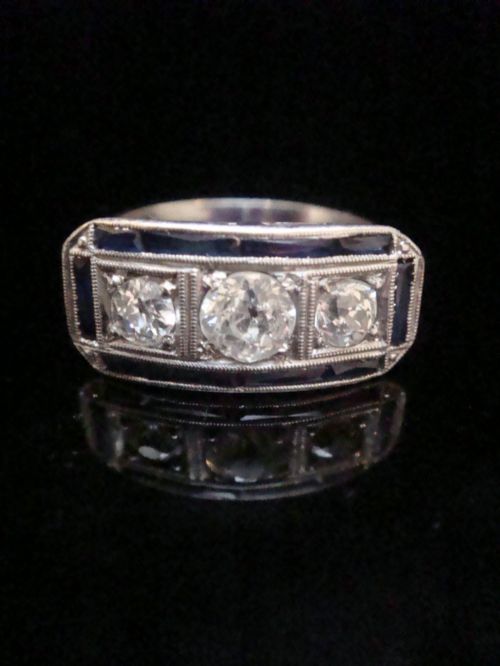


Vintage Geometric Diamond Ring
A vintage geometric diamond ring brings sharp lines, symmetry and old cut sparkle straight from the 1920s and Art Deco period to the hand.
Vintage Geometric Diamond Ring
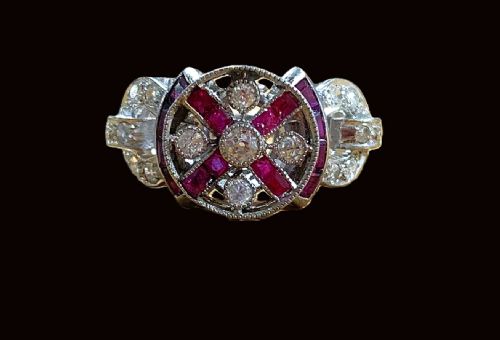
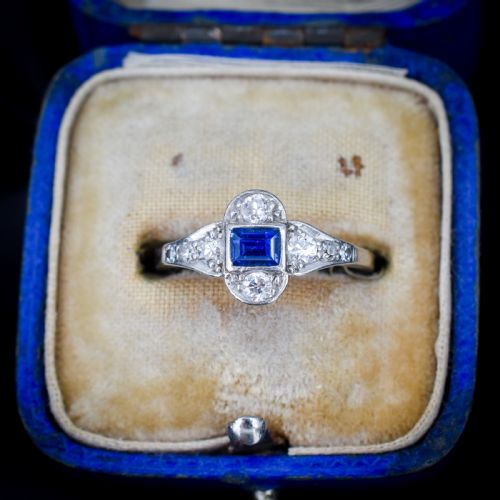
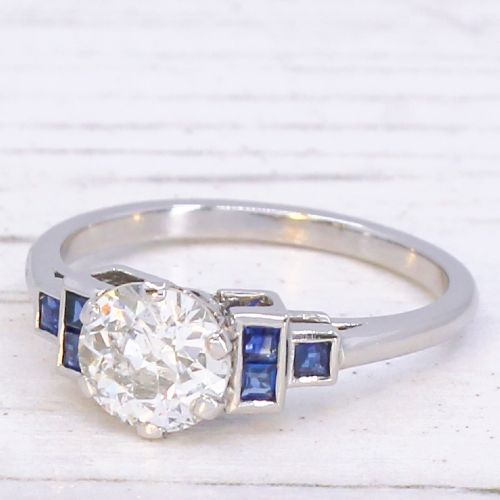
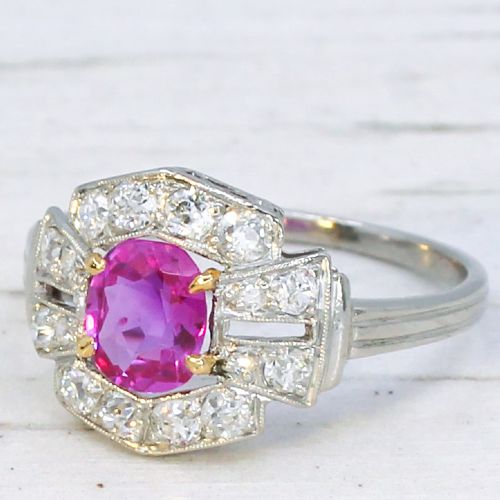
A vintage geometric diamond ring combines angular motifs with central stones, drawing heavily from Art Deco designs produced across the 1920s and 1930s. Buyers searching for a vintage geometric diamond ring will frequently encounter platinum and white gold settings housing old cut diamonds alongside calibré cut sapphires or emeralds.
Beyond the standard 1920s examples, variations span Edwardian, 1940s, 1950s and 1960s creations, including mid-century revivals and French dress rings. These jewel forms range from understated solitaires to elaborate platinum plaque rings and multi-stone clusters.
Origins include British, European and French workshops, utilising yellow gold, white gold, and platinum. Such rings serve equally as distinct engagement bands or striking cocktail jewellery.
How they were made
Goldsmiths and platinum smiths constructed these rings using durable precious metals, mounting diamonds alongside contrasting coloured stones like rubies, sapphires, and emeralds. Platinum gained widespread favour for its strength, allowing delicate millegrain edges and intricate openwork bezels.
Master cutters shaped diamonds into old cuts and transitional cuts, maximising sparkle under artificial candle or gas-electric light. Enamel and onyx accents were sometimes integrated into gold and white gold bands to sharpen the architectural geometry.
Materials paired with diamonds across these rings include natural sapphires, emeralds, rubies, onyx, and white opal.
What varies in quality
The standard of a geometric ring rests on the precision of its metalwork and the uniformity of its calibré cut coloured stones. Hand-pierced platinum galleries demonstrate superior labour compared to simpler cast yellow gold bands.
Diamond weight and clarity grade heavily influence value, alongside the presence of unheated natural gemstones or documented French hallmarks. Original period pieces with intact millegrain detail command greater interest than later mid-century revivals.
Toni Cavelti
The Vintage Geometric Diamond Ring Glossary
- Old cut
- A diamond cut popular before modern brilliant faceting, featuring a smaller table, higher crown and larger culet. This facet arrangement yields a softer, candlelit glow.
- Calibré cut
- Small gemstones shaped specifically to fit tightly within a geometric channel or border. They form precise, uninterrupted lines of colour around a central diamond.
- Millegrain
- A decorative technique involving tiny raised metal beads along the edges of a setting. It softens hard metal lines with a delicate textured border.
- Plaque ring
- A ring featuring a flat, wide top surface covered in intricate piercing and pavé set stones. These styles sit broad upon the finger in a distinct geometric silhouette.
- Transitional cut
- A diamond facet style bridging old mine cuts and modern round brilliants, seen predominantly from the 1920s to the 1940s.
Vintage Geometric Diamond Ring: Frequently Asked Questions
How do I spot an authentic Art Deco diamond ring?
Authentic pieces rely on period specific materials like platinum, old cut diamonds, and hand-pierced geometric mounts. Look for manufacturing traits such as hand-cut calibre stones and genuine millegrain edges rather than modern casting marks.
Examine the back of the setting for construction clues, as period jewellers often used open-back box collets. Hallmarks and French stamps further help verify the era of production.
Can I wear a vintage geometric ring every day?
Many buyers wear these pieces daily, provided the prongs and platinum settings remain secure. Regular checks by a jeweller help ensure older stones stay tight in their original mounts.
Because platinum and 18ct gold resist daily wear well, they handle routine use suitably. Gentle cleaning keeps the intricate geometric recesses free from everyday debris.
What is the difference between old cut and modern diamonds?
Old cut diamonds feature hand-polished facets tailored by eye under historical lighting conditions. They typically show smaller table facets and deeper pavilions that create a unique, blocky light return.
Modern brilliant cuts follow strict geometric proportions engineered for maximum optical return under contemporary lighting. Old cuts offer a distinct historic charm that newer stones lack.
How should I care for sapphire and diamond cluster rings?
Sapphires and diamonds demand gentle cleaning using warm water and mild soap with a soft brush. Avoid harsh chemical dips, which can harm softer surrounding gemstones or metal patinas.
Store cluster rings individually in padded boxes to prevent the harder diamonds from scratching adjacent rubies or emeralds. Periodic professional inspections ensure the closed-back settings stay dry.