




Vintage Gentleman Chair
A vintage gentleman chair brings sturdy comfort and period character to a room, offering deep seats and substantial timber frames.
Vintage Gentleman Chair
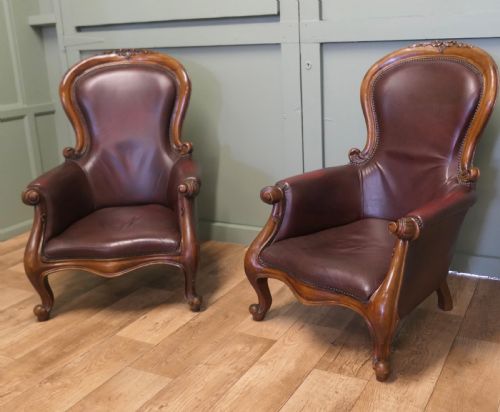
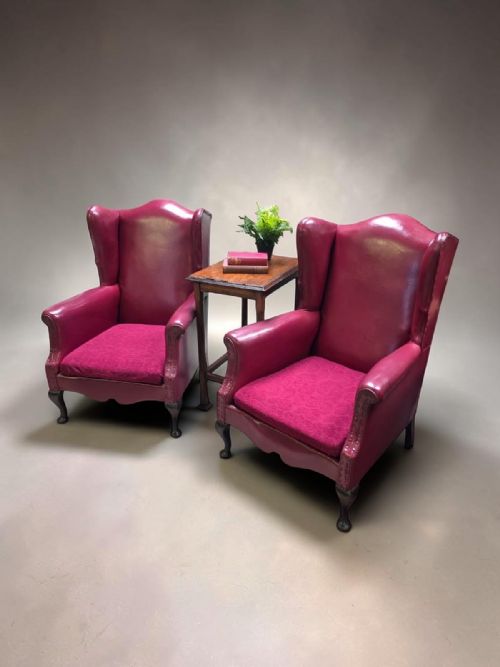
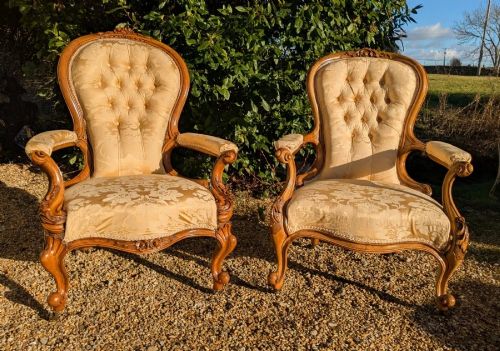
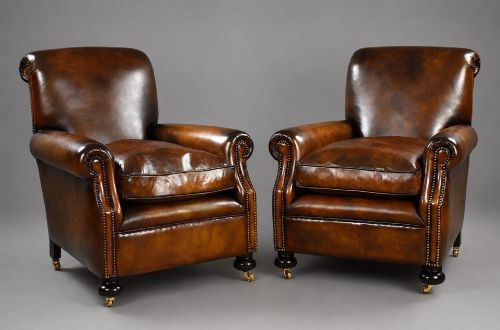
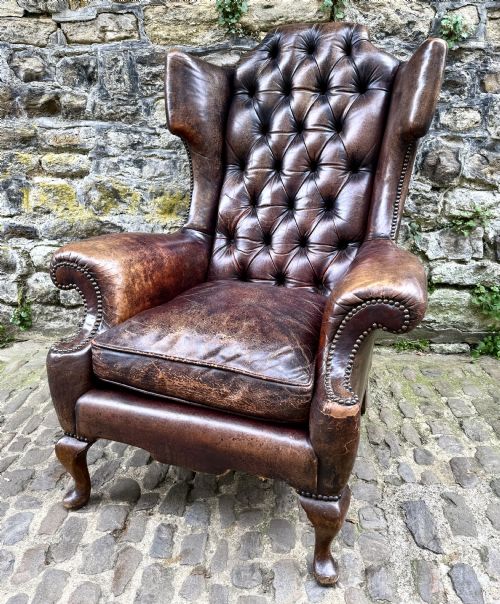
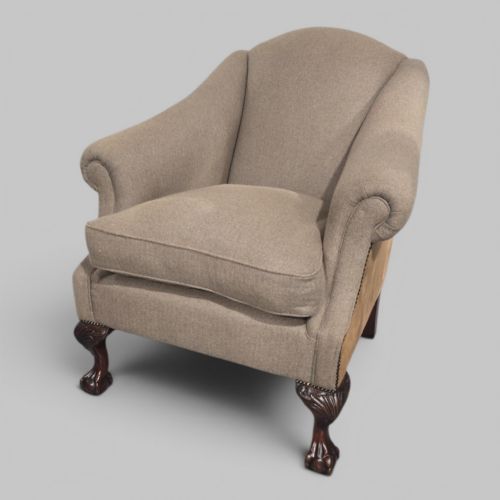
A vintage gentleman chair typically comprises robust library armchairs, wingbacks, and spoon back seats designed for private studies and parlours. These pieces span Victorian, Georgian, and early twentieth-century periods, often appearing in matched pairs alongside smaller ladies variants.
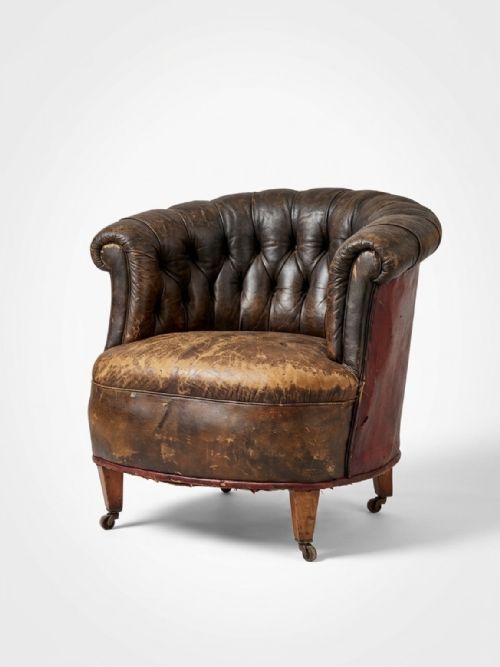
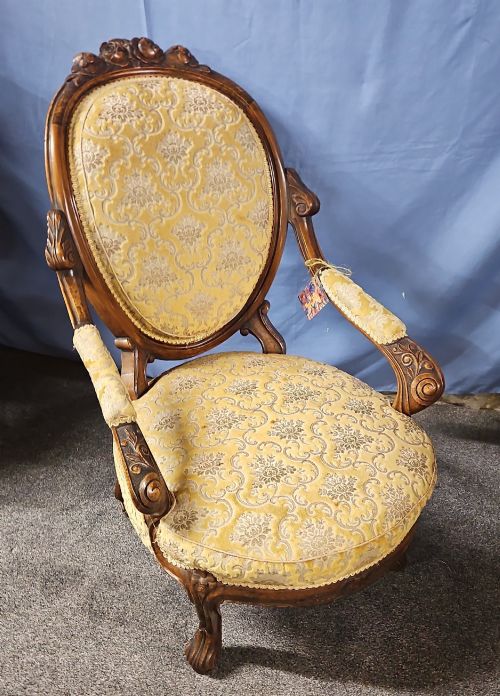
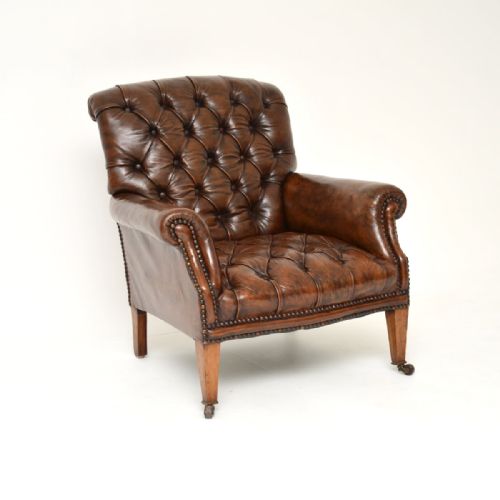
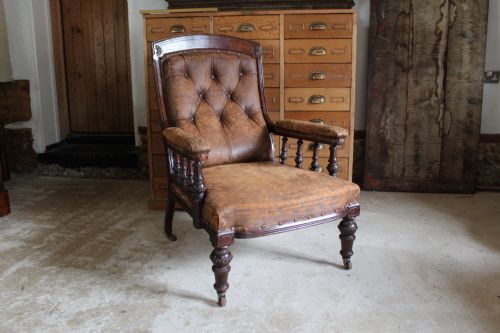
The versions most commonly met on this page are Victorian walnut and mahogany armchairs upholstered in leather or velvet. Buyers encounter button-backed frames, spoon backs, and club chairs reflecting revival styles from Chippendale to Queen Anne.
Form follows function in these seating options, which prioritise firm support and deep proportions. Whether configured as a swivel desk chair or a fireside lounger, each vintage gentleman chair demonstrates period joinery and upholstery traditions.
How they were made
Frames rely on dense hardwoods such as mahogany, walnut, rosewood, and general timber, shaped with hand-carved details and barley twist supports. Joinery techniques from the nineteenth and early twentieth centuries ensure structural longevity without relying on modern fasteners.
Upholstery incorporates traditional materials including supple leather, velvet, and woven textile. Brass castors frequently finish the feet, while button-tufting secures the interior padding within the wooden framework.
Vintage Gentleman Chair Retail Price Guide 2026
Typical asking prices for vintage gentleman chair among the pieces listed under this phrase on Sellingantiques today, from the lower quarter to the upper quarter. They describe what is for sale here now, not the wider market.
Revival styles including Chippendale and Queen Anne appear alongside Victorian spoon back and Edwardian parlour chair forms.
What varies in quality
The calibre of timber carving and the integrity of the show wood frame set superior examples apart from standard seating. Crisp moulded details in walnut or mahogany indicate skilled cabinet work rather than mass production.
The grade and patination of the upholstery leather or textile dictate overall visual harmony. Original hide showing natural ageing holds greater distinction than later replacements, particularly when paired with intact buttoning and sturdy internal webbing.
C. Hindley & Sons·Fratelli Rugitti·Robert Daws London
The Vintage Gentleman Chair Glossary
- Spoon back
- A padded chair back shaped like the bowl of a spoon to fit the human spine. This form emerged during the Victorian era and featured prominently on walnut parlour chairs.
- Wingback
- An armchair with side panels designed to shield the user from draughts. These pieces often feature leather upholstery and deep seats.
- Barley twist
- A carved wooden furniture leg or support resembling a twisted rope. This turning style appears frequently on nineteenth-century frames.
- Show wood
- The exposed polished wooden framework of an upholstered chair. Walnut and mahogany were frequently utilised for this purpose.
- Gainsborough chair
- A wide, open-armed desk chair with a padded back and seat, typically dating from the eighteenth century or later revivals.
Vintage Gentleman Chair: Frequently Asked Questions
What is a gentleman chair?
A gentleman chair is a traditional armchair featuring a robust timber frame and deep proportions, often paired with a smaller ladies chair. These seats were designed for studies, libraries, and smoking rooms.
They usually incorporate button-backed upholstery in leather or velvet, supported by sturdy mahogany or walnut frames with brass castors.
How do I date a vintage armchair?
Dating involves examining the timber species, joinery methods, and upholstery styles recorded across different periods. Victorian examples often display walnut show wood and spoon backs, while earlier pieces show Georgian revival details.
Hardware such as brass castors and the specific weave of textiles also help determine whether a chair originates from the nineteenth or early twentieth century.
Are these chairs comfortable for daily use?
Most of these armchairs provide firm support due to traditional stuffing methods and deep seats. They suit studies and living spaces where upright posture and robust construction are beneficial.
Buyers often select them as reading chairs or fireside seating, provided the internal webbing and padding remain in sound condition.
How do I care for leather upholstery?
Leather upholstery requires regular dusting and occasional conditioning to maintain suppleness and prevent cracking. Keeping these chairs away from direct heat sources preserves the natural hide.
Gentle cleaning with appropriate balms protects the historic patination found on vintage club and library chairs.