


Vintage Gemstone Studs
Vintage gemstone studs are compact cluster or solitaire earrings set in gold and platinum, prized for bringing concentrated colour and period character directly to the earlobe.
Vintage Gemstone Studs
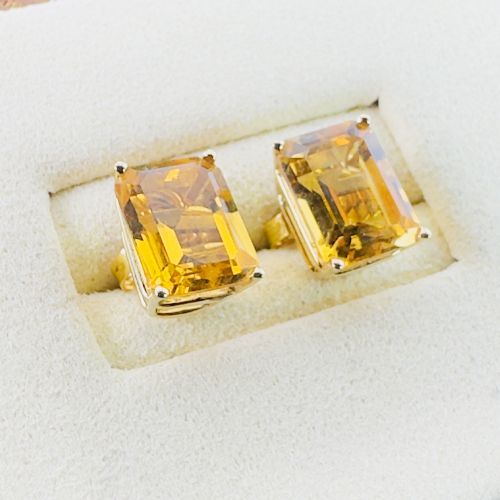
When you search for vintage gemstone studs, you encounter a focused selection of earrings spanning the Victorian, Edwardian, and mid-century eras, alongside distinct Art Deco designs. The pieces range from simple single-stone claw settings in nine carat or fourteen carat gold to elaborate cluster formations featuring surrounding diamonds or pearls.
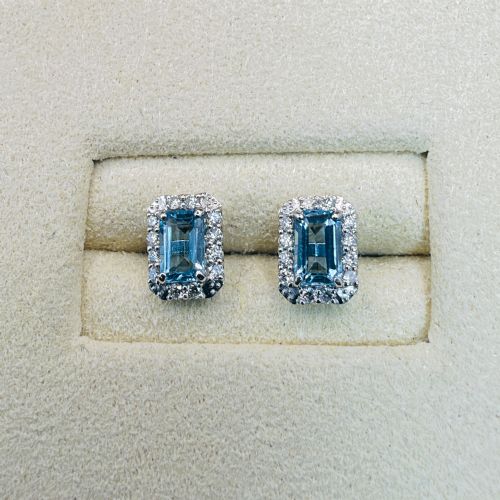
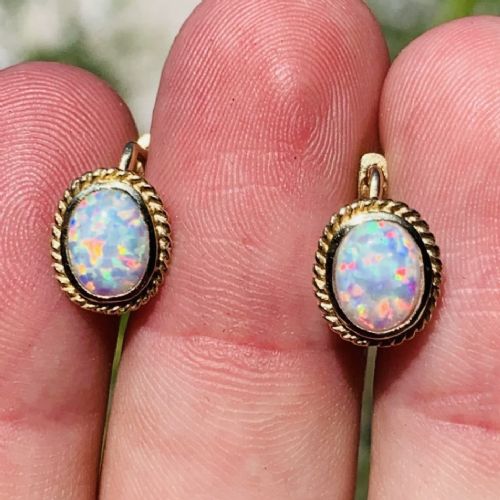
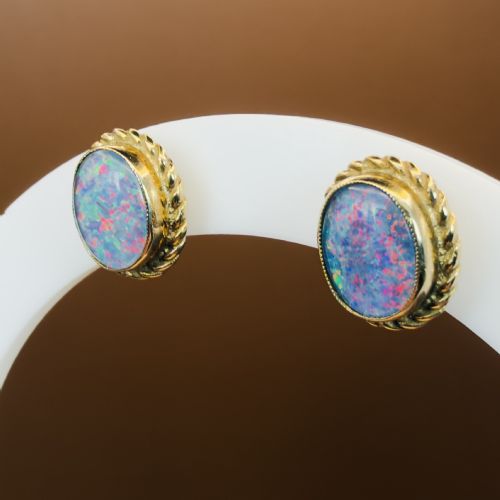
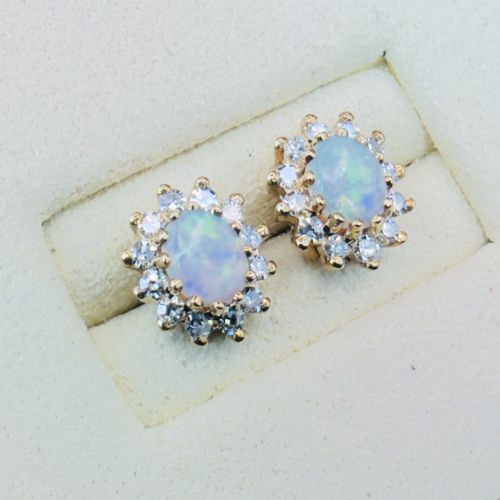
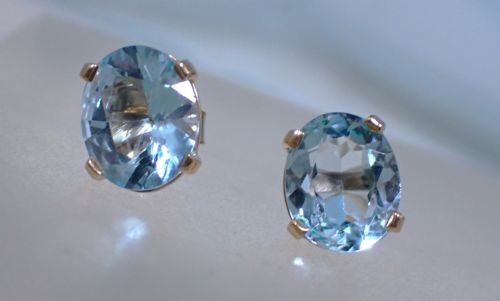
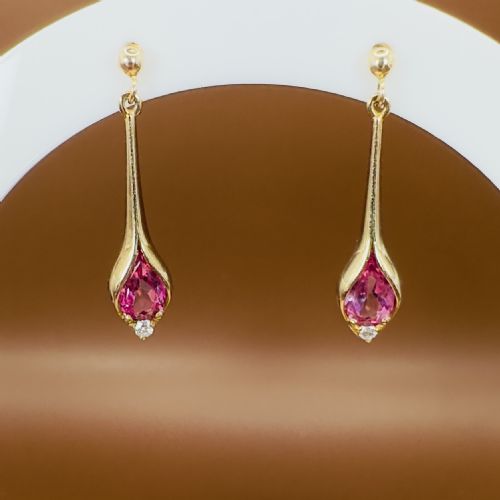
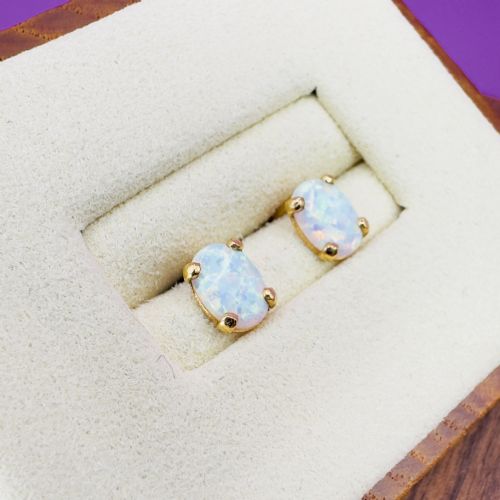
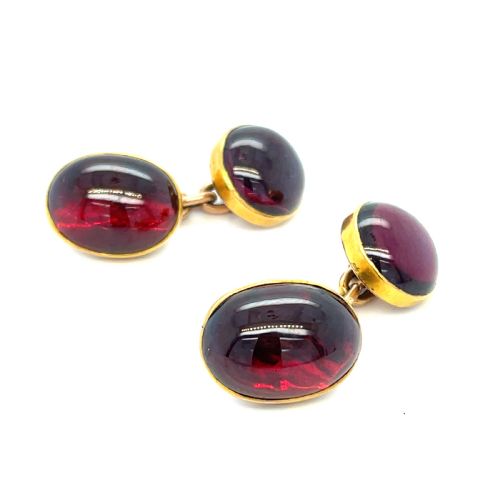
The most frequently encountered versions on this page are mid-century gold cluster designs and nineteen-fifties iterations set with garnets, opals, or aquamarines. Formats extend from straightforward daily wear studs to drop stud earrings and screw-on or clip-on variations.
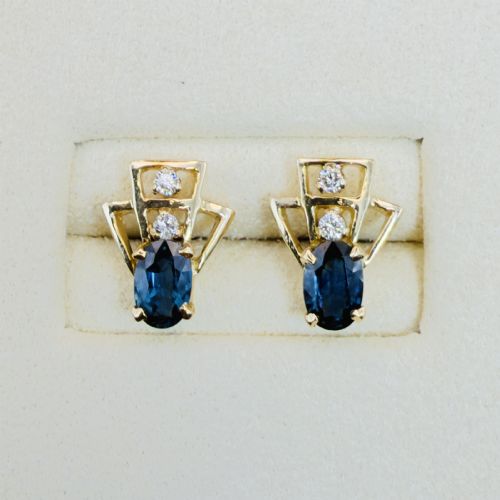
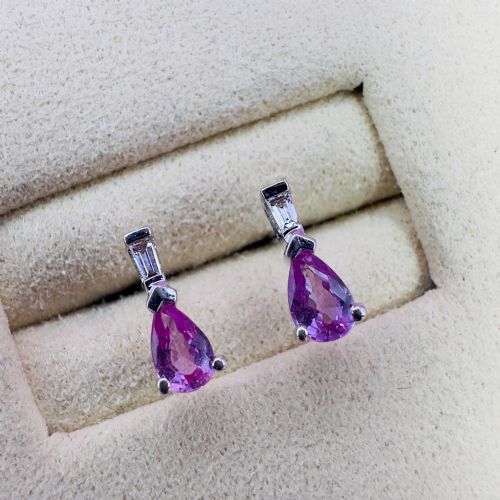
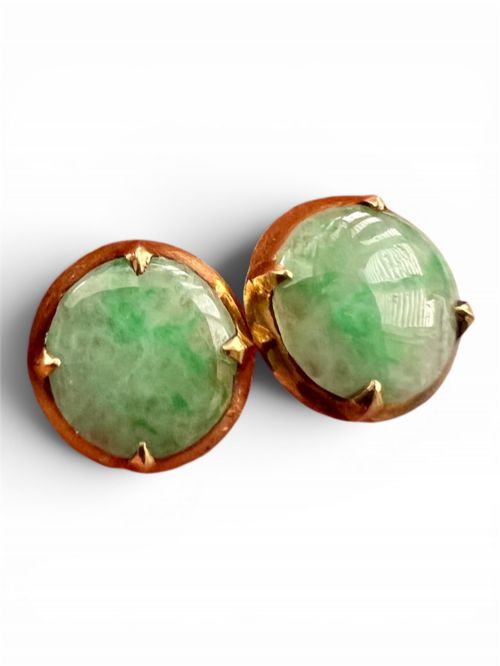
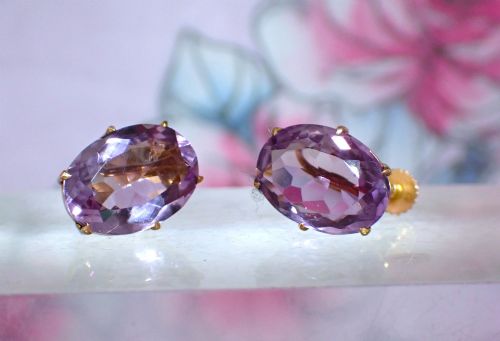
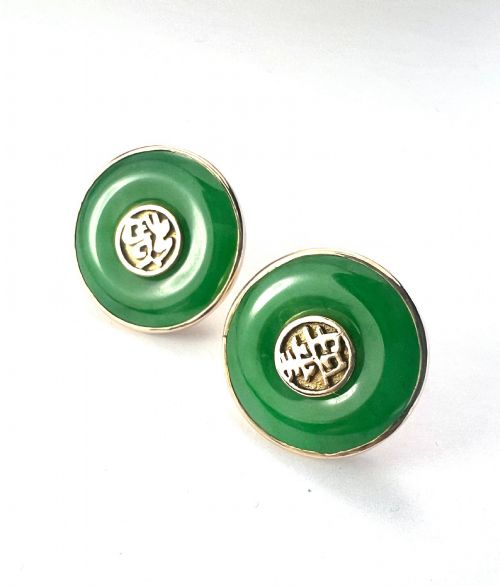
Earrings in this category utilise stones such as sapphire, emerald, jade, topaz, and amethyst, housed in yellow gold, white gold, rose gold, or platinum mounts. Each period brings its own characteristic silhouette, moving from the rich cluster weight of the Victorian era to the clean geometric lines of the nineteen-twenties.
Distinguishing quality across the range
Quality rests upon the saturation and clarity of the central gemstone, where deep, even coloration and minimal inclusions elevate the piece. The precision of the stone cutting dictates how light reflects across the table and facets, separating standard commercial output from finer examples.
Metalwork execution defines the structural integrity of the earring, visible in the uniformity of the claw settings, the crispness of any filigree wirework, and the symmetry of surrounding diamond halos. Heavier gold gauges and solid platinum mounts indicate superior manufacturing standards compared to lighter stamped alternatives.
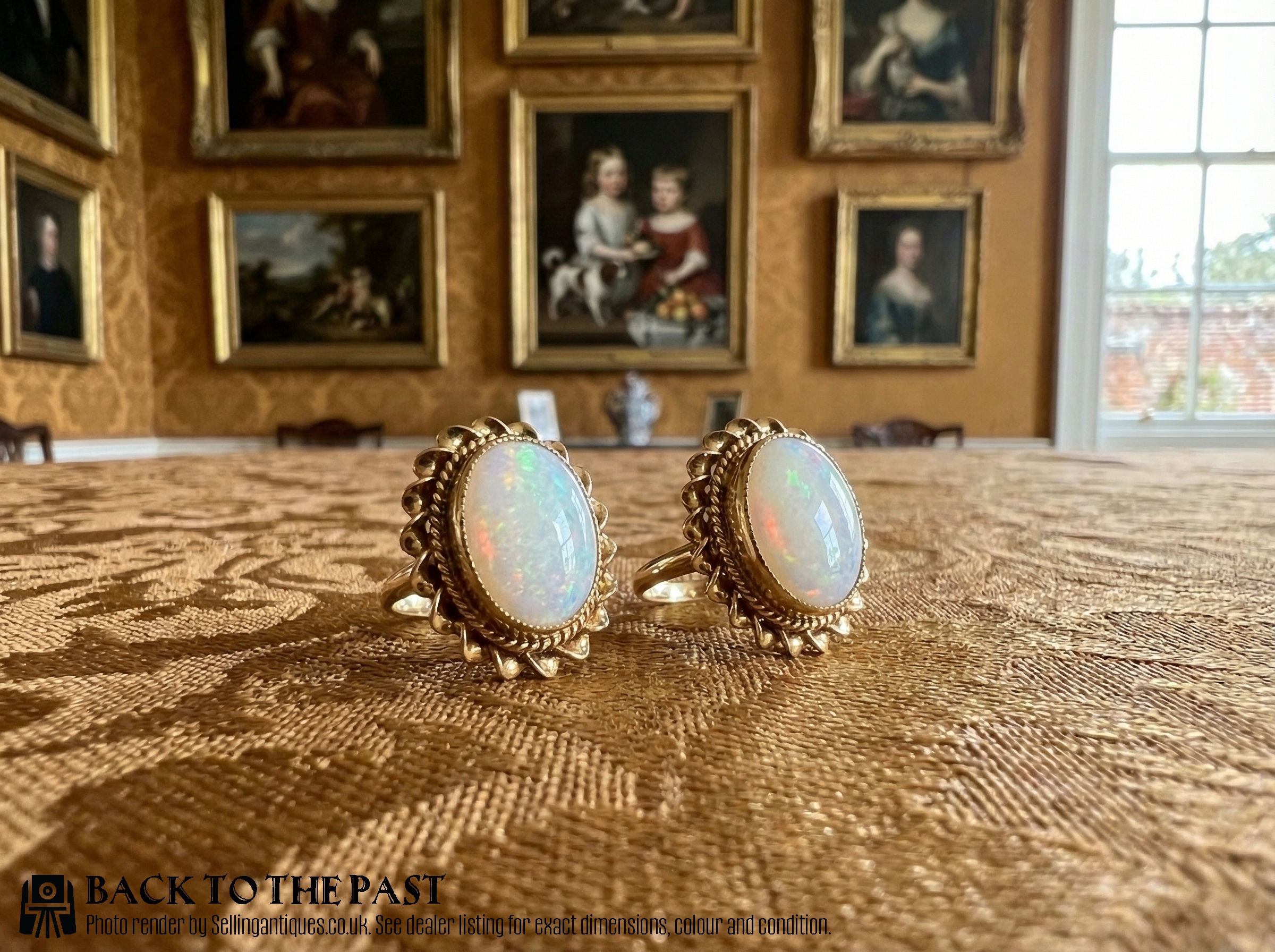
The harmony of the design elements, such as the proportional balance between a central cabochon opal and its surrounding diamond border, determines the overall visual impact of the cluster.
Current listings feature gemstone studs spanning from the Victorian era through the mid-twentieth century, mounted in nine carat, fourteen carat, and eighteen carat gold.
The Vintage Gemstone Studs Glossary
- Cabochon
- A gemstone cut with a smooth, convex domed surface rather than faceted planes. This style is frequently utilised for opals, garnets, and jade to display internal play of colour or deep lustre.
- Cluster
- An arrangement of multiple gemstones where a central dominant stone is encircled by a border of smaller stones, typically diamonds or pearls.
- Filigree
- Delicate ornamental work composed of fine gold or platinum wires twisted and soldered together into openwork patterns.
- Assay mark
- A stamp or series of hallmarks applied to precious metals by an official office to certify the purity of the gold, silver, or platinum.
- Solitaire
- A mounting designed to hold a single gemstone without accompanying side stones, focusing entirely on the central mineral.
Vintage Gemstone Studs: Frequently Asked Questions
How do I clean vintage gemstone studs?
Clean most gold and durable gemstone studs using warm water with a mild dish soap and a very soft brush to remove accumulated oils from behind the setting. Avoid soaking organic or porous materials like pearls or opals, as moisture can damage their structure.
Dry the pieces thoroughly with a lint-free cloth before storing them individually in a lined box to prevent metal scratching.
Are screw-on earrings hard to convert?
Screw-on earring backs were common in the early twentieth century for unpierced lobes, relying on a threaded post and small paddle to secure the fitting. Many wearers keep them in original condition, while others have a jeweller replace the mechanism with standard posts.
Consult a specialist before altering any antique finding, as original closures contribute to the historical integrity of the piece.
How do I identify the metal purity?
Check the reverse of the earring setting or the post for stamped hallmark symbols indicating gold karat weight, such as nine carat or eighteen carat. Platinum items often feature specific purity stamps alongside maker marks or assay office symbols.
If no stamp is visible due to age or wear, professional acid testing or electronic x-ray fluorescence can determine the exact alloy composition.
Can I wear these studs every day?
Stones like sapphire, diamond, and topaz possess high surface hardness and withstand daily wear comfortably when set securely in gold or platinum mounts. Softer materials such as opal, pearl, and jade require greater care and should be protected from sharp impacts and harsh chemicals.
Regularly check the claw settings under magnification to ensure stones remain firmly fixed within the metal.