

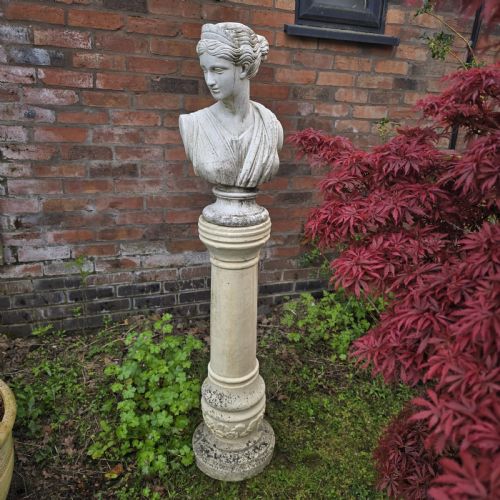


Vintage Garden Statuary
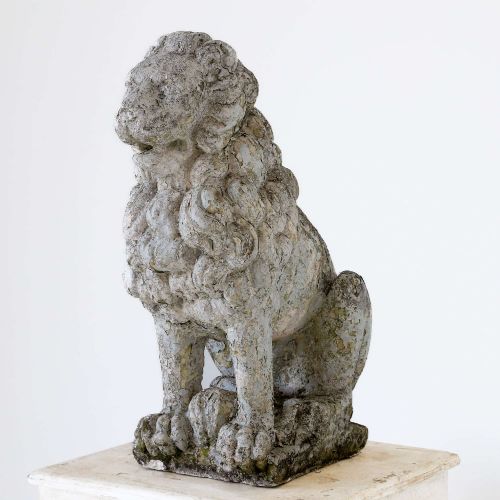
These pieces of vintage garden statuary bring character to lawns and terraces, offering enduring form and classical presence.
Vintage Garden Statuary
Vintage garden statuary encompasses sculptural ornaments designed to anchor outdoor spaces, ranging from classical figures to animal sculptures. When you search for vintage garden statuary, you encounter forms that establish focal points in planting schemes and architectural layouts.
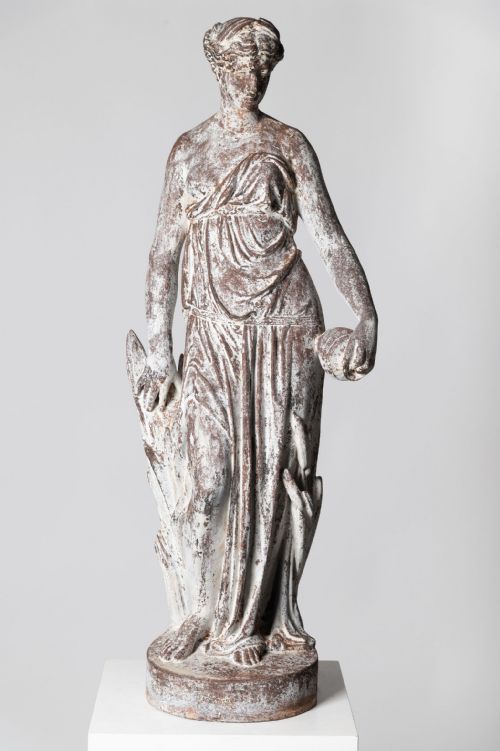
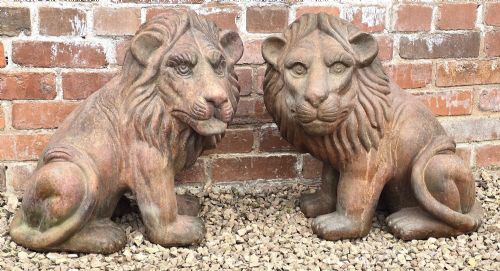
The selection on this page draws primarily from the nineteenth and early twentieth centuries, featuring pieces dated across the Victorian era up to the nineteen-thirties. You are most likely to meet terracotta lions, lead figures, and stone busts reflecting styles from classical revival to English country aesthetics.
Object types vary from garden statues and sculptures to pedestals, columns, and large urns. These pieces bridge architecture and botany, providing structures that weather naturally in the open air.
How they were made
Makers utilised durable outdoor materials such as terracotta, cast lead, cast iron, stone, and composite stone. Metal elements often involved foundry casting, producing robust figures and decorative urns designed to withstand the elements.
Surfaces frequently show the application of paint or the accumulation of natural patination over decades. Foundry marks and maker attributions, such as those from the Val d'Osne foundry, indicate structured production methods.
Vintage Garden Statuary Retail Price Guide 2026
Typical asking prices for vintage garden statuary among the pieces listed under this phrase on Sellingantiques today, from the lower quarter to the upper quarter. They describe what is for sale here now, not the wider market.
Listings feature periods spanning the Georgian era, the Victorian period, and the early twentieth century up to nineteen-thirty.
What varies in quality
The integrity of the material dictates longevity and aesthetic weight. Dense materials like marble, cast lead, and hand-sculpted terracotta hold their structural form and develop desirable weathering over time, whereas lower grades of composite material may erode unevenly.
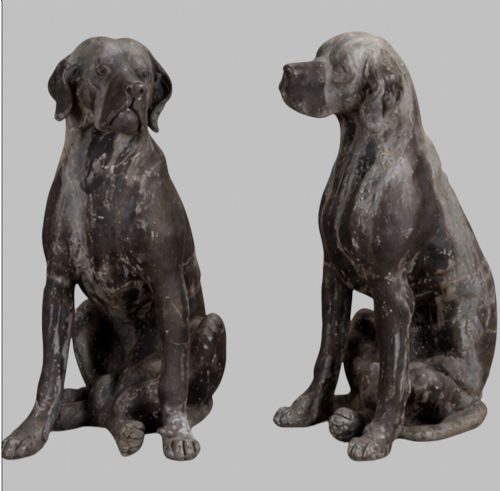
Scale and proportion also define the better examples, such as life-size pairs of hounds or massive lions that command a garden vista. The presence of original old paint or undisturbed natural surfaces adds historical authenticity to the piece.
Val d'Osne foundry
The Vintage Garden Statuary Glossary
- Terracotta
- A porous fired clay used extensively for garden ornaments and pots. It develops a rich, weathered reddish-brown surface when exposed to moisture.
- Cast Lead
- A heavy metal medium poured into moulds to create durable statues and figures. It acquires a characteristic soft grey oxidation outdoors.
- Okimono
- A Japanese decorative sculpture designed for display. Examples include bronze figures of geese placed in garden settings.
- Pedestal
- An architectural base or column supporting a bust, urn, or statue. It elevates the sculpture to improve sightlines in a garden design.
Vintage Garden Statuary: Frequently Asked Questions
How do I place heavy statuary?
Heavy pieces require a stable, level foundation such as stone flags or compacted gravel to prevent shifting over time. Large items like cast iron urns or marble lions benefit from ground preparation that distributes their substantial weight evenly.
Position statues where sightlines from interior windows or pathways naturally draw the eye. Consider surrounding planting to frame the piece without obscuring its sculptural form.
Can lead and iron stay outside?
Cast lead and cast iron are naturally suited for outdoor placement and withstand seasonal weather changes without structural failure. Their metallic surfaces develop protective oxides and patinas that guard against deeper corrosion.
Maintenance involves minimal cleaning to remove excessive organic growth while preserving the aged finish. Avoid harsh chemical treatments that strip away the historical weathering.
How do I identify terracotta age?
Age in terracotta is indicated by the fineness of the clay body, the sharpness of the hand sculpting, and the depth of surface weathering. Nineteenth-century pieces often show distinct tooling marks and genuine micro-cracking from prolonged exposure.
Comparing the weight, colour variation, and moss accumulation helps distinguish older fired clay from modern reproductions. Genuine examples display harmonious wear consistent with decades outdoors.
What styles suit cottage gardens?
English country and Victorian styles integrate seamlessly into traditional cottage gardens. Pieces such as lead satyrs, stone busts, and terracotta planters complement informal planting schemes and native flora.
Selecting ornaments with organic patination ensures they blend with established greenery. The goal is to make the sculpture appear as though it has inhabited the space for generations.