



Vintage Garden Flower Display
These vintage garden flower display pieces bring character to planting schemes with cast and wrought iron stands from the nineteenth and early twentieth centuries.
Vintage Garden Flower Display
When you search for a vintage garden flower display, you are looking at plant stands, jardinere stands, and conservatory stands designed to elevate pots and blooms. These pieces range from Victorian multi-tier metal stands to Chinese lacquered pedestals and French country painted shelving.
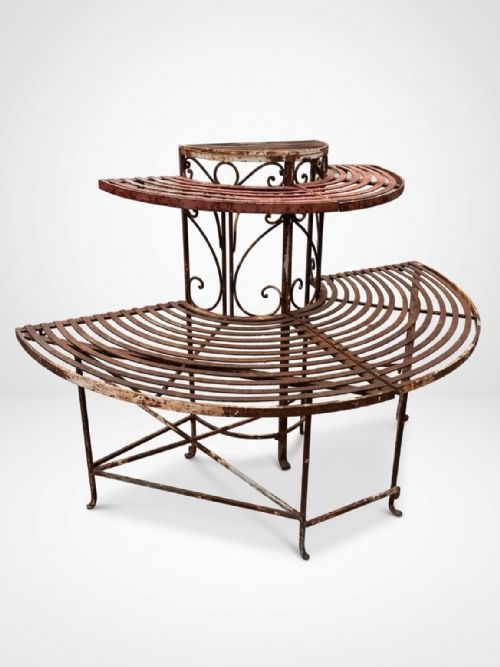
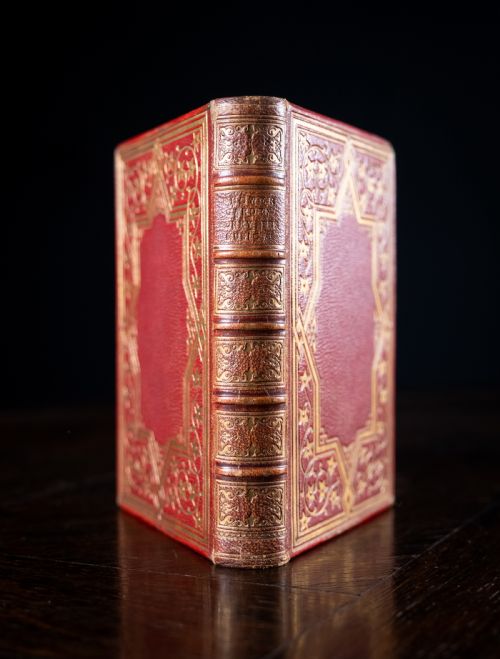
The versions you are most likely to meet on this page are sturdy iron tiers with weathered painted finishes, alongside occasional leather-bound botanical books that record nineteenth-century gardening traditions. Their forms serve the practical purpose of holding plants while adding vertical interest to garden rooms or patios.
How they were made
The metal stands rely on heavy cast iron and wrought iron, forged or cast into tiered frames and riveted joints. Many retain traces of early white or black paint applied over the metal to withstand conservatory moisture.
Wooden and paper items utilise traditional craftsmanship, seen in the leather bindings and gold leaf of period books or the lacquered surfaces of imported pedestals.
Vintage Garden Flower Display Retail Price Guide 2026
Typical asking prices for vintage garden flower display among the pieces listed under this phrase on Sellingantiques today, from the lower quarter to the upper quarter. They describe what is for sale here now, not the wider market.
Current listings span the Victorian period through to the nineteen-twenties, incorporating cast iron, wrought iron, wood, and leather.
What varies in quality
Quality rests in the weight of the metalwork and the structural integrity of the tiers, distinguishing heavy cast iron frames from lighter utilitarian racks. Finer examples display careful riveting and balanced multi-tier proportions that support heavy pots securely.
Surface preservation marks another distinction, where original painted or weathered patinas show genuine age without compromising the strength of the iron or the stability of the stand.
The Vintage Garden Flower Display Glossary
- Jardinere stand
- A decorative pedestal or stand specifically designed to hold a plant container or flower pot. These raised platforms display trailing foliage and blooms at a comfortable viewing height.
- Conservatory stand
- A multi-tiered metal or wooden structure built to house collections of potted plants in glasshouses. They maximise floor space by arranging displays vertically.
- Wrought iron
- Iron that has been heated and hammered into shape by hand, resulting in strong, fibrous metalwork. It allows for slender, curved structural designs.
- Cast iron
- Iron poured into a mould to create rigid, ornate forms and heavy load-bearing frames. It provides exceptional stability for multi-tiered plant displays.
Vintage Garden Flower Display: Frequently Asked Questions
How were these plant stands used?
Victorian households utilised multi-tier plant stands inside glasshouses and conservatories to organise potted geraniums, ferns, and flowering bulbs. The stepped tiers ensured adequate sunlight and air circulation for every plant in the collection.
Today, they serve a similar purpose in gardens, sunrooms, and living spaces, elevating trailing greenery and floral arrangements to create varied heights within a room or patio.
Are these stands suitable for outdoor use?
Most iron and cast metal stands tolerate outdoor conditions well, provided they are monitored for weathering and rust. Their heavy metal construction keeps them stable on garden patios and lawns.
Painted finishes often show historical weathering that adds charm, though owners frequently apply protective coatings to preserve the metal against damp British weather.
How do I identify a Victorian stand?
Victorian plant stands typically feature heavy cast iron or wrought iron construction with three tiers, scrollwork, or riveted corner designs. Dates often align with the mid to late nineteenth century, reflecting the era's passion for conservatory gardening.
Look for evidence of early paint layers, such as black or white finishes over oxidized iron, which indicate genuine nineteenth-century manufacture rather than modern reproduction.
What is the difference between cast and wrought iron?
Cast iron is poured into moulds, resulting in rigid, robust components with decorative detail and substantial weight. It forms the solid bases and decorative tiers of many antique plant stands.
Wrought iron is hammered and bent into shape by a smith, producing tougher, fibrous metal that resists snapping under tension and allows for slender structural lines.