






Vintage Garden Container
These vintage garden container examples bring enduring utility and tactile warmth to outdoor spaces through robust metals and weathered ceramics.
Vintage Garden Container
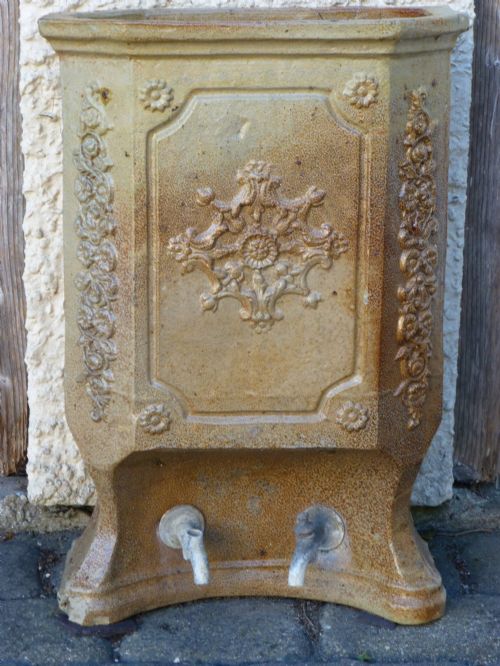
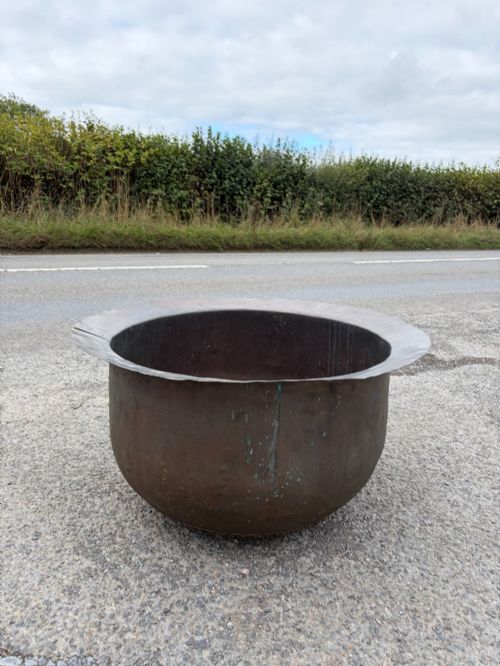
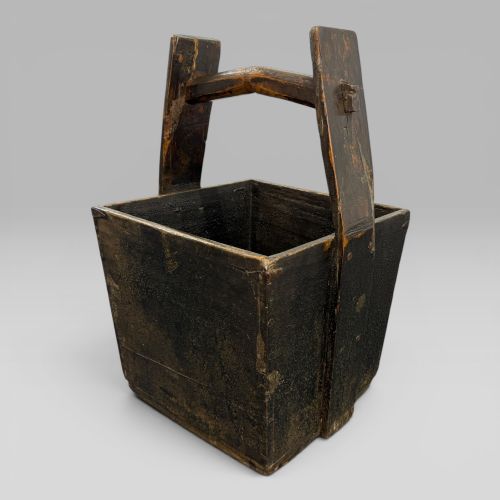
A vintage garden container encompasses functional vessels repurposed for horticulture, spanning nineteenth century utilitarian wares and early twentieth century domestic items. Buyers encountering this selection will discover copper boilers, riveted buckets, galvanised metal tubs, zinc planters, stoneware filtration vessels, and elm baskets.
The assortment draws from diverse origins and styles, including Victorian industrial pieces, French country vessels, Chinese provincial baskets, and rustic farmhouse items. These objects transition naturally from their original industrial or domestic roles into robust planters and storage vessels.
Forms range from large lidded log bins and strapwork iron planters to buff terracotta pots and hip baths adapted for botanical displays. Each piece carries the distinct patination and wear accumulated through decades of practical service.
Materials and construction
Metal vessels rely heavily on hand-riveting and soldered joints, particularly in heavy copper boilers, buckets, and zinc planters where plates are joined mechanically. Iron work utilises strapwork construction, bending and fixing structural bands to form sturdy frames for holding soil and plantings.
Ceramic pieces utilise stoneware and salt glaze techniques, fired at high temperatures to ensure durability against moisture and frost. Elm wood construction in baskets employs traditional bentwood methods, creating lightweight yet strong agricultural carriers secured with handles.
Vintage Garden Container Retail Price Guide 2026
Typical asking prices for vintage garden container among the pieces listed under this phrase on Sellingantiques today, from the lower quarter to the upper quarter. They describe what is for sale here now, not the wider market.
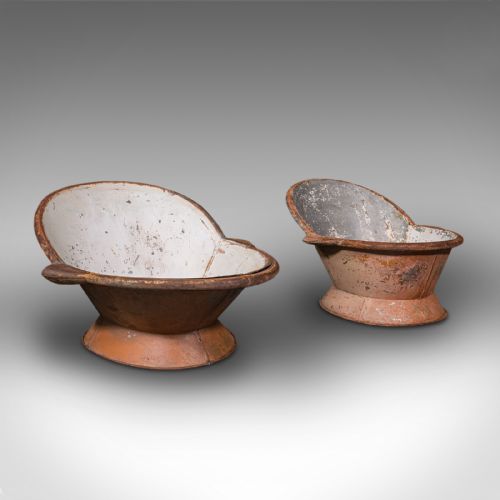
A Victorian hip bath once used for private soaking now enjoys retirement outdoors holding cheerful floral arrangements.
Judging quality and character
Quality in these vessels rests upon the integrity of the original construction, such as tight riveted seams on copper and galvanised iron, and the weight of the metal gauge used. Thicker plates and well-forged iron strapwork indicate utility objects built for heavy domestic or industrial labour rather than light decorative use.
The depth of patination and surface wear significantly influences the character of each piece, distinguishing honest age from artificial distress. Intact original handles, secure bases, and well-preserved salt glaze finishes or natural verdigris elevate the visual appeal of individual specimens.
The Vintage Garden Container Glossary
- Riveted
- Joined together using metal pins hammered flat to secure overlapping sheets. This technique provides immense structural strength to copper and iron vessels.
- Salt glaze
- A vitreous glaze formed by throwing common salt into the kiln during high-temperature firing. It creates a durable, slightly textured surface on stoneware.
- Strapwork
- Ornamental or structural bands of flat metal applied to reinforce objects. This method appears on heavy iron planters and architectural containers.
- Verdigris
- A green patina formed naturally on copper, brass, or bronze through atmospheric oxidation. This layer protects the underlying metal from further corrosion.
- Galvanised
- Coated with a protective layer of zinc to prevent rusting. This process became widespread for iron and steel containers intended for damp environments.
Vintage Garden Container: Frequently Asked Questions
Can copper planters stay outside?
Copper withstands outdoor elements well, developing a rich protective verdigris over time when exposed to moisture and air.
Ensure adequate drainage to prevent standing water from straining the riveted seams during freezing winter weather.
How do I clean galvanised metal?
Wash the surface gently using warm water and a mild detergent with a soft brush to preserve the industrial grey finish.
Avoid harsh abrasives or acidic cleaners that strip away the protective zinc coating and expose the base iron.
Are stoneware vessels frost proof?
High-fired salt glazed stoneware resists moisture penetration and handles cold temperatures effectively in most temperate garden settings.
Elevating pots on pot feet prevents water from trapping underneath and expanding during hard freezes.
How are old hip baths used?
Tin and metal hip baths provide deep rooting volume and generous surface area when adapted as standalone garden planters.
Drilling appropriate drainage holes in the base allows excess moisture to escape safely from the soil.