

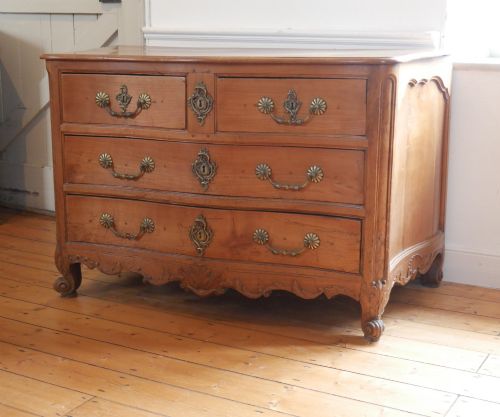
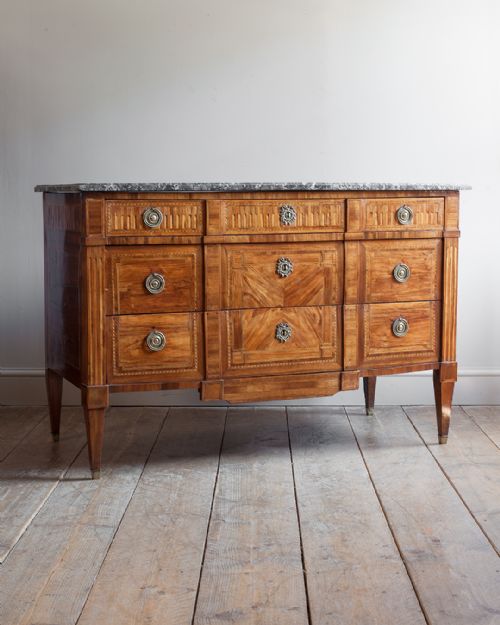

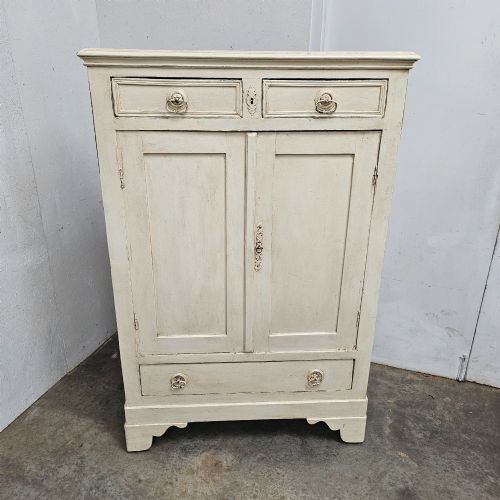


Vintage French Wood Sideboard
A vintage french wood sideboard brings practical storage and regional character to a room, spanning rustic country forms to polished art deco designs.
Vintage French Wood Sideboard
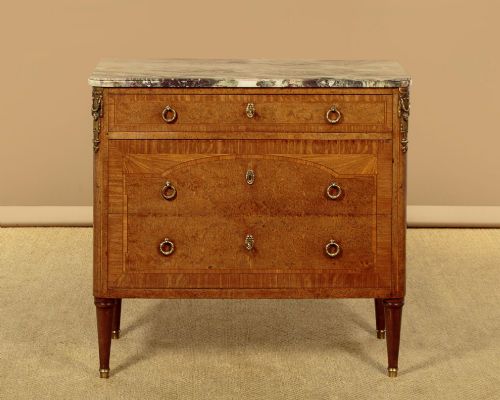
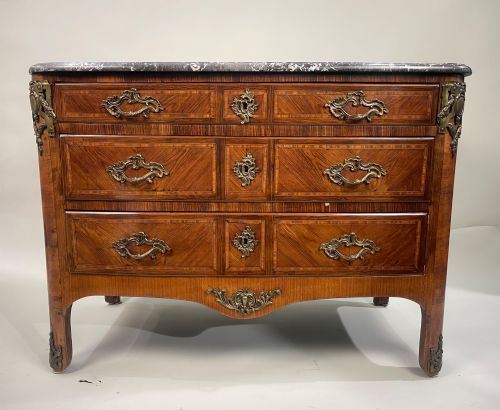
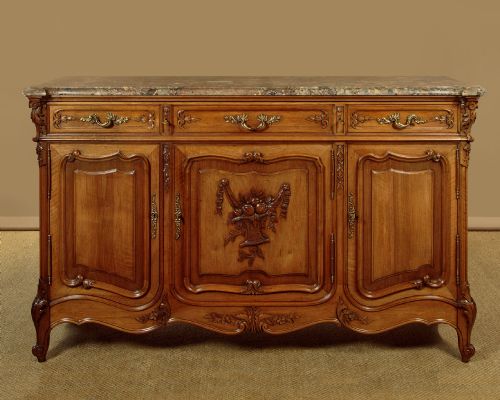
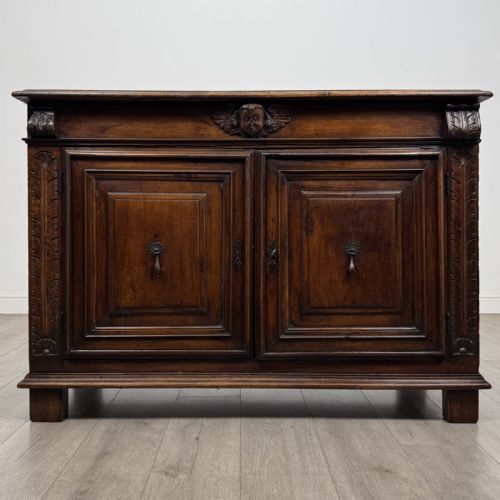
A vintage french wood sideboard encompasses a wide variety of storage furniture originating from France, including traditional buffets, commodes, and serving tables. These pieces serve as functional statement items in dining rooms, living spaces, and hallways.
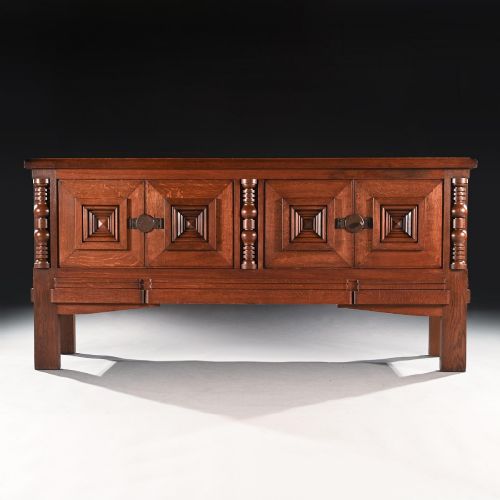
The selection ranges from early eighteenth-century walnut and kingwood pieces to twentieth-century art deco designs in oak, calamander, and macassar. Buyers frequently encounter nineteenth-century provincial interpretations alongside formal revival styles.
Makers and artisans utilised regional timbers to construct robust cabinets, cupboards, and credenzas equipped for daily household use. Each piece reflects the distinct aesthetic preferences of its period, from rustic farmhouse simplicity to intricate marquetry.
Materials and construction methods
Cabinet makers relied primarily on solid and veneered hardwoods such as oak, walnut, cherrywood, mahogany, and exotic woods like macassar. Structural integrity often relied on traditional joinery paired with functional hardware.
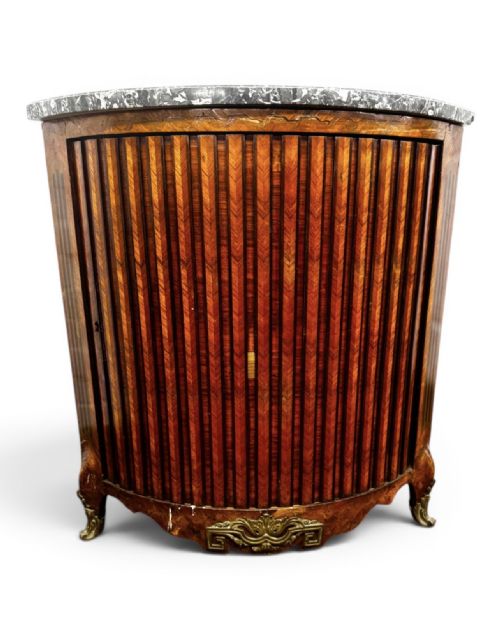
Many surfaces feature marble tops in various shades, complemented by decorative elements in brass, ormolu, and iron. Marquetry and inlay techniques supplied geometric or floral patterns across doors and drawer fronts.
Vintage French Wood Sideboard Retail Price Guide 2026
Typical asking prices for vintage french wood sideboard among the pieces listed under this phrase on Sellingantiques today, from the lower quarter to the upper quarter. They describe what is for sale here now, not the wider market.
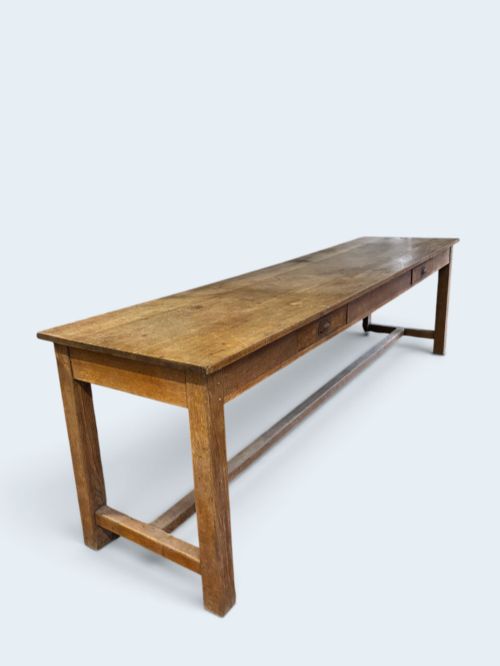
Several heavy workbenches complete with functional wooden vises sit alongside refined marble-topped commodes in this collection.
Distinguishing quality across the range
Superior examples display precise hand-cut joinery, sophisticated marquetry, and high-grade timber selections like palisander or calamander. The refinement of carved detailing and the weight of fitted marble tops indicate higher workshop standards.
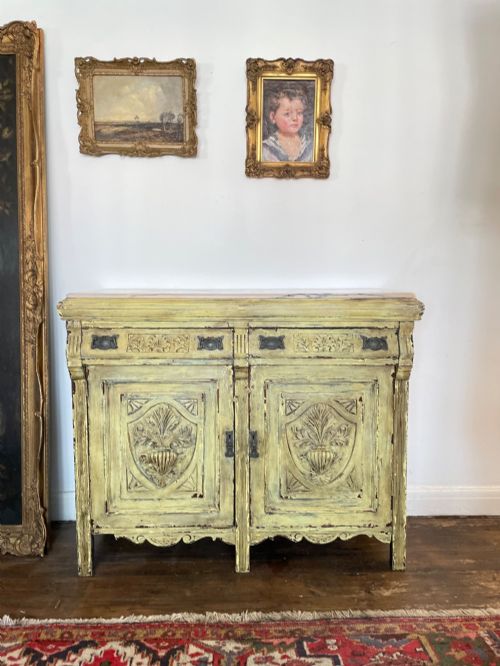
Simpler provincial pieces derive their appeal from honest utilitarian construction and patinated surfaces rather than courtly ornament. The integration of original hardware and well-preserved structural timbers elevates the standing of any piece.
Charles Dudouyt·Étienne Kohlmann
The Vintage French Wood Sideboard Glossary
- Marquetry
- The art of applying pieces of veneer to a structure to form decorative patterns and pictures. It appears frequently on sophisticated credenzas and commodes.
- Commode
- A low chest of drawers or cabinet developed in France during the seventeenth century. These items often feature marble tops and shaped fronts.
- Ormolu
- Gilded bronze used for decorative mounts and furniture trim. It accentuates nineteenth-century revival pieces.
- Provincial
- Denoting styles originating from the regions rather than Paris. These pieces prioritize sturdy timbers and local craftsmanship.
- Credenza
- A side cabinet used for displaying or storing items. Elaborate examples often incorporate serpentine shapes and detailed inlay.
Vintage French Wood Sideboard: Frequently Asked Questions
How do I date a french wooden sideboard?
Dating relies on identifying the prevailing style, construction techniques, and primary timbers used in the cabinet. Eighteenth-century pieces typically show hand-shaped timbers and simpler internal framing, while later pieces adopt distinct art deco or revival characteristics.
Examining secondary woods, hardware fixtures, and any maker marks helps narrow the decade of production. Stylistic shifts between provincial rustic forms and urban Parisian design provide clear chronological markers.
Are marble tops original to these sideboards?
Many nineteenth and twentieth-century sideboards, commodes, and consoles were designed specifically with fitted marble tops to provide durable, waterproof surfaces. These stones range from white to pink and dark faux finishes depending on the period.
While replacements do occur, original marble tops fit the rebate of the wooden frame precisely and exhibit matching edge profiles consistent with the cabinet's era.
Where should I place a sideboard in my home?
These pieces function effectively in dining rooms for tableware storage, or in hallways and living areas as display surfaces. Their substantial proportions make them natural focal points against large wall spaces.
Sizing the piece to the room ensures clearance for doors and drawers to open fully without obstruction from surrounding furniture.
What is the difference between a buffet and a sideboard?
Buffets traditionally emphasise enclosed cupboard space for storing food and serving dishes, often standing slightly taller. Sideboards encompass a broader category that includes open console formats and multi-drawer credenzas.
French regional terminology often uses buffet and commode interchangeably based on local dialect and the specific room the furniture was built to serve.