









Vintage French Sign
When you search for a vintage french sign, you are looking at functional trade notices and displays that brought everyday commerce to life.
Vintage French Sign
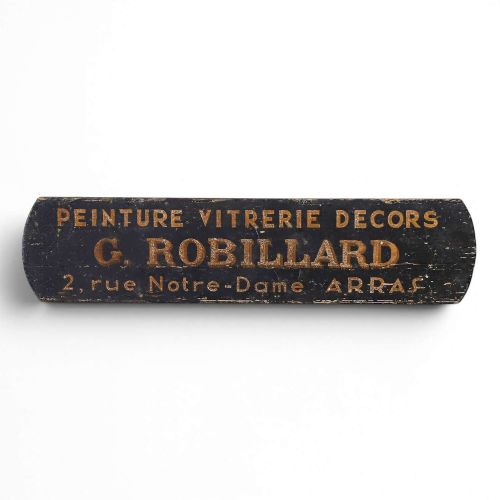
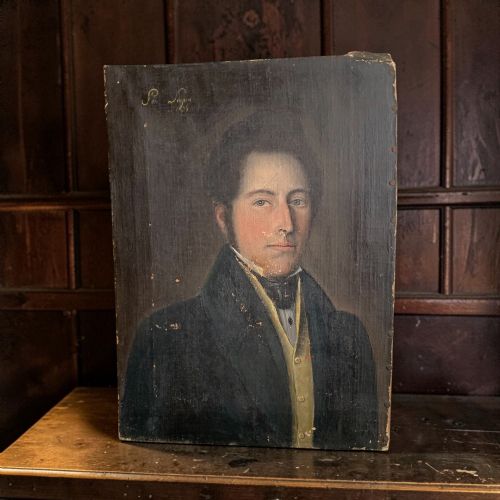
When buyers search for a vintage french sign, they encounter hand-painted trade markers and advertising boards originating from French workshops and commercial spaces. These objects served practical purposes for businesses such as painters and tradesmen during the nineteenth and early twentieth centuries.
The pieces appearing on this page span the Belle Époque era and subsequent decades, reflecting the changing styles of commercial signage. Wooden boards and painted surfaces dominate the selection, preserving the authentic lettering and imagery used by local merchants.
Collectors appreciate these items for their direct connection to historical trade and craftsmanship. Each survivor carries the patina of daily use in French towns and markets.
Materials and construction
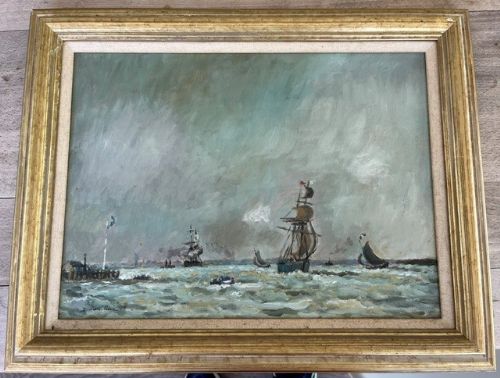
Makers utilised sturdy timbers such as wood to build the foundational panels for these trade notices, ensuring they could withstand outdoor or workshop conditions. Artisans applied oil paint directly to the wooden surfaces, often layering lettering and pictorial elements by hand.
The physical construction relies on traditional carpentry techniques appropriate for utilitarian objects. Surviving examples retain the original paint layers and structural joinery from their period of active service.
Vintage French Sign Retail Price Guide 2026
Typical asking prices for vintage french sign among the pieces listed under this phrase on Sellingantiques today, from the lower quarter to the upper quarter. They describe what is for sale here now, not the wider market.
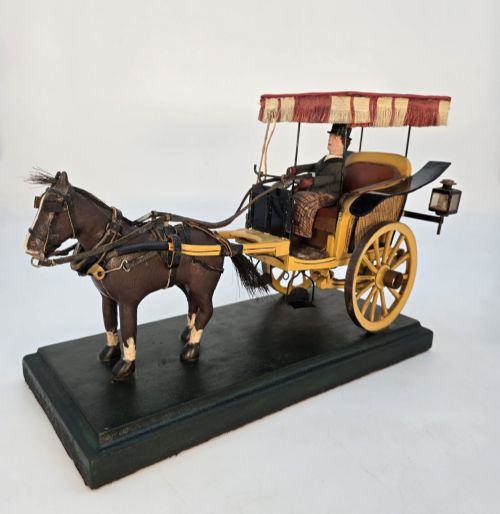
Among the historical trade items, a wooden folk art model of a Paris chaise carriage complete with horse and driver waits patiently.
Assessing quality and preservation
The distinction between ordinary utility items and superior examples lies in the integrity of the original painted surface. Pieces retaining their undisturbed early finishes without extensive overpainting command greater attention from discerning collectors.
Legibility of the lettering and the character of the hand-painted typography strongly influence desirability. Well-preserved pictorial elements and honest wear from long use elevate a piece above standard utilitarian remnants.
Arthur Gué·C J R Colinet·J De Ninville·Daum·Henri Vincent-Anglade·Brunelot·G Vallon·Perroud·Caroline Burnett·Mercedes Legrand·Majorie Hoare·Edwardian·P M Favre·Sellier·C1770·L Gerfaux·D H Chiparus·Tairac·Emile Dropsy·Jean Betourne
The Vintage French Sign Glossary
- Belle Époque
- A period of French history spanning the late nineteenth century up to the First World War, noted for distinctive commercial arts. Pieces from this era often display ornate typography and decorative painted details.
- Trade Sign
- A commercial board or marker used by a shopkeeper or artisan to advertise services to the public. These objects were typically mounted on exterior walls or displayed in windows.
- Original Condition
- The state of an object retaining its authentic, unaltered finishes from the time of its creation. Collectors value this preservation because it maintains the historical integrity of the piece.
- Patina
- The surface appearance acquired by materials through age, wear and exposure to the environment. On painted wooden objects, this manifests as subtle cracking and softening of the hues.
Vintage French Sign: Frequently Asked Questions
What is a vintage french sign?
These pieces are painted wooden boards and trade displays created for businesses and artisans in France. They served as functional advertising markers for local establishments.
Most surviving examples date from the late nineteenth century through the early decades of the twentieth century. They showcase traditional hand-lettering and pictorial craft.
How were trade signs used?
Merchants mounted these boards outside shops, workshops and market stalls to identify their trades to the public. They communicated services like painting or general commerce to passers-by.
Over decades of daily exposure, these objects accumulated distinctive surface wear. Their primary function was purely commercial rather than decorative.
Where should I display a trade sign?
Collectors typically mount these wooden boards on interior walls where their painted surfaces can be appreciated safely. They suit kitchens, studies or living spaces seeking historic character.
Keep them away from direct sunlight and damp environments to protect the antique wood and paint. Stable indoor humidity preserves the original finishes.
How do I date an old sign?
Dating relies on examining the style of the typography, the construction methods of the wooden panel and the characteristics of the paint. Belle Époque examples often display distinct lettering styles from those made later in the twentieth century.
Comparing the materials with documented trade pieces helps narrow down the production era. Surviving surface marks and framing details also offer clues.