
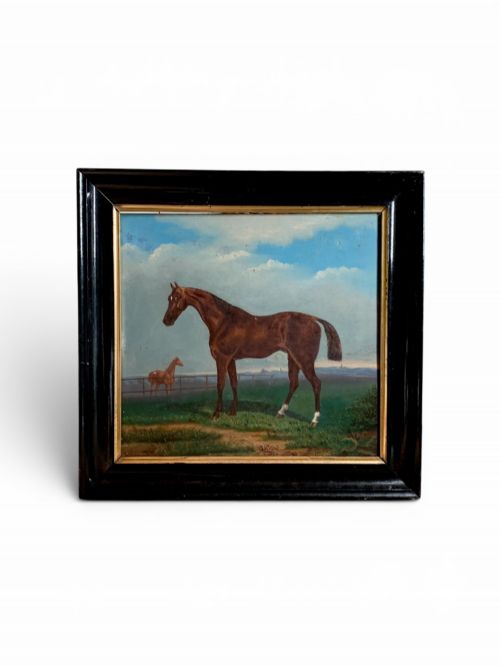
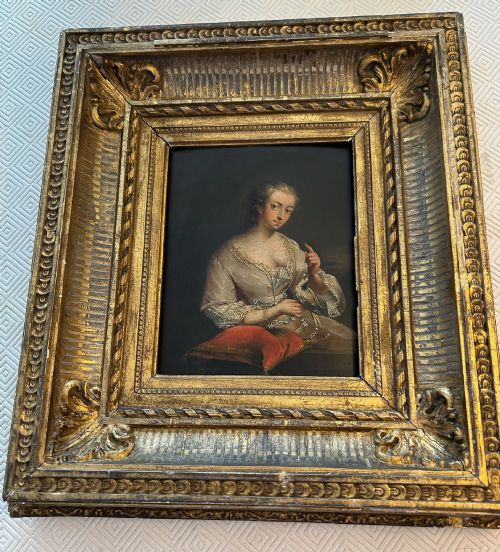


Vintage French Oil Portrait
When you search for a vintage french oil portrait, you step into centuries of portraiture on canvas and wood.
Vintage French Oil Portrait
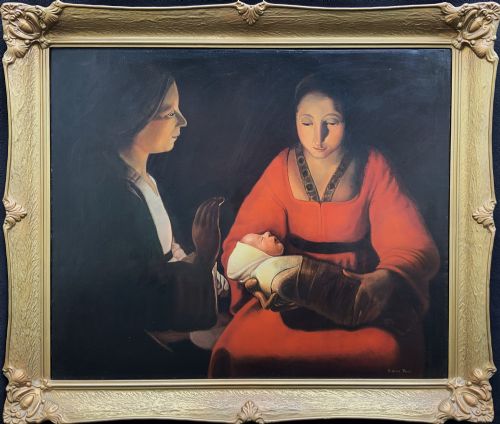
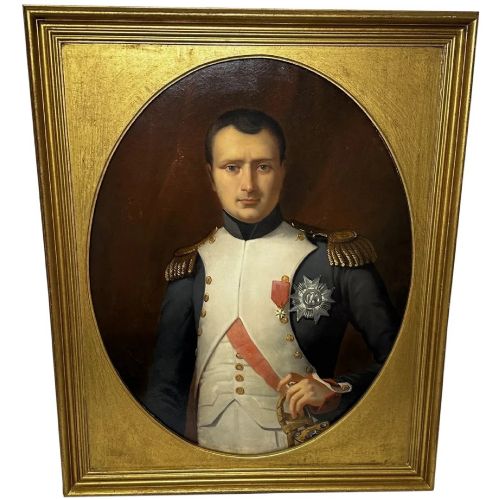
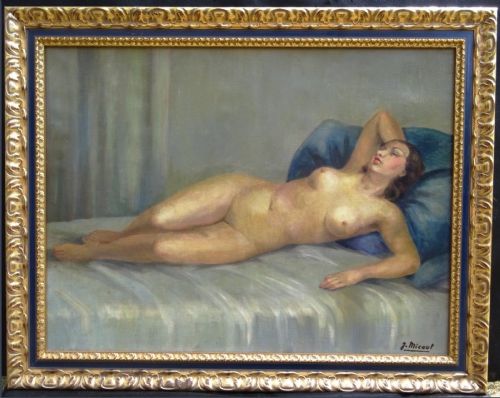
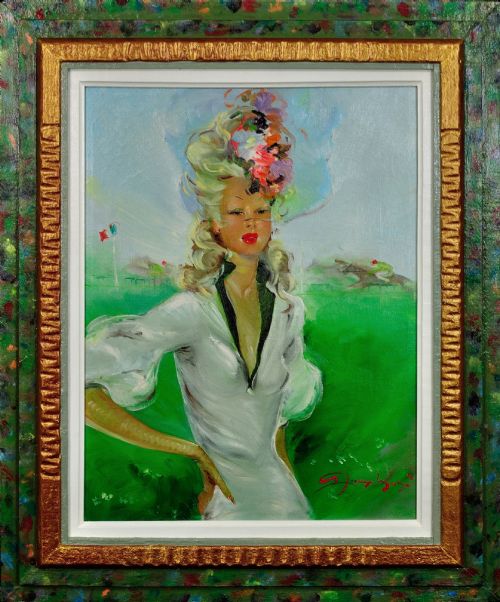
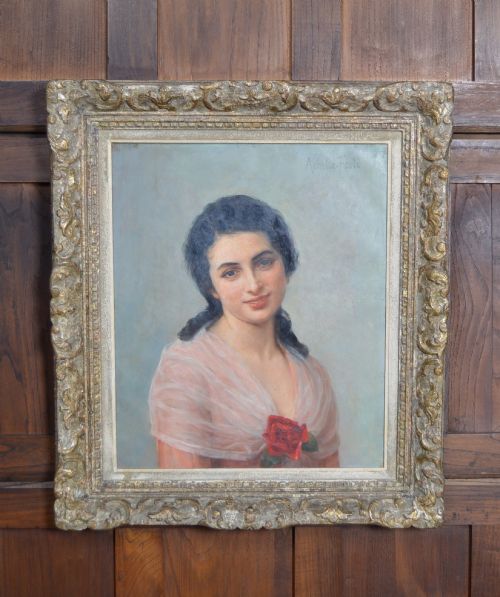
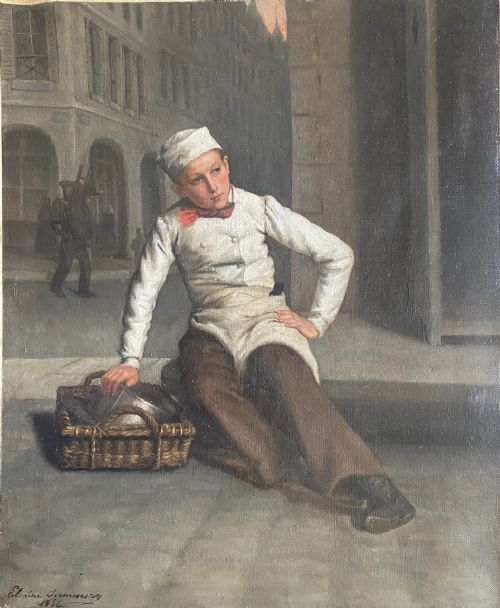
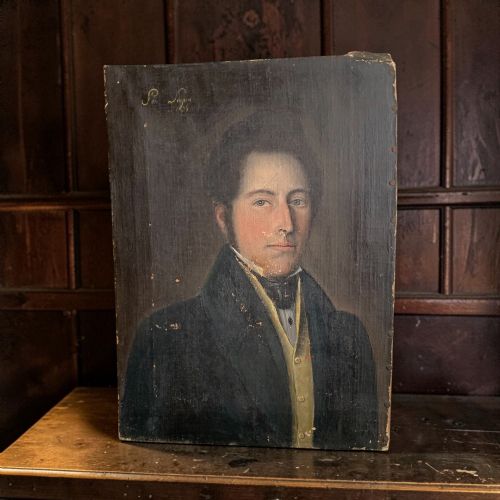
A vintage french oil portrait captures subjects ranging from Regency gentlemen and 19th-century gentlewomen to Art Deco nudes and mid-century Bohemians. These works span the Regency era through the 1960s, reflecting changing aesthetic movements across French studios and schools.
How they were made
Artists painted primarily with oil on canvas or oil on wood panel, layering pigments to build depth and luminosity. The physical support often dictates the texture, with woven canvas providing a traditional tooth for brushwork.
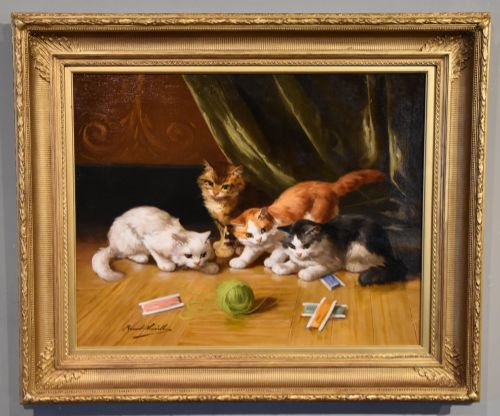
Surrounding the artwork, frames utilise carved wood enhanced with gesso and gilt. These gilded wood mouldings frame the painted compositions according to the decorative tastes of their respective periods.
Frames include ornate 19th-century gesso and giltwood constructions designed for landscape and portrait orientations.
What varies in quality
The distinction in these portraits lies in the confidence of the brushwork and the psychological depth of the sitter. Skilled hands capture light and expression with economy, while lesser works remain stiff and formulaic.
Condition of the pigment and the originality of the frame also dictate the standing of a piece. Intact oil layers and period-matching giltwood frames elevate the integrity of the object.
Georges de La Tour·Jean-Gabriel Domergue·Achille-Fould·Alfred Arthur Brunel de Neuville·Jean-Baptiste van Loo·Edouard Julien·Raymond Moritz·Henri Vincent-Anglade·Gaetan Dumas·GEORGES GOURSAT·Jean-Marc Nattier·Jean Hippolyte Marchand·Pinchus Krémègne·Yo Mayer·Jean Denis Maillart·Christian Caillard·Auguste Renoir
The Vintage French Oil Portrait Glossary
- Oil on Canvas
- A painting medium where pigments bound in oil are applied to stretched woven fabric. This combination allows for rich blending and textured impasto work.
- Giltwood
- Wood that has been covered with a thin layer of gold leaf or gold paint. It frequently appears on ornate antique picture frames.
- French School
- A term used to describe artists trained or working within the French artistic tradition, regardless of their native country. It encompasses various styles from academic realism to avant-garde movements.
- Gesso
- A plaster-like mixture applied to wood or canvas to prepare a smooth surface for painting or gilding. It provides a solid base for ornate frame mouldings.
- Post-Impressionism
- An art movement developing roughly between the late nineteenth century and the early twentieth century. Artists extended Impressionism while rejecting its limitations, focusing on broader emotional and structural expression.
Vintage French Oil Portrait: Frequently Asked Questions
How do I date a vintage french oil portrait?
Dating relies on stylistic clues, clothing, and the material of the canvas or panel. Twentieth-century works often lean towards Post-Impressionism or Art Deco aesthetics, whereas nineteenth-century examples favour academic realism or romanticism.
Frame construction and inscriptions on the reverse also offer chronological anchors. Examining the stretcher bars and nails helps distinguish nineteenth-century mountings from later replacements.
Where should I hang an oil portrait?
Place your portrait away from direct sunlight and fluctuating heat sources to protect the oil paint and canvas. Walls with stable ambient temperatures ensure the wood and gesso frames avoid warping.
Pairing the piece with subdued lighting highlights the texture of the brushwork. Ensure the hanging height places the subject's gaze at comfortable eye level.
Are these portraits signed by the artist?
Many portraits feature visible signatures or monograms left by the painter. Attribution can also be established through archival records, salon exhibition labels, or distinct regional styles.
Works designated as French School or attributed to a circle of a known master may lack a direct signature. Documentation on the reverse often records the sitter's identity or the studio location.
How do I care for an antique oil painting?
Dust the canvas and frame gently with a soft, dry brush or microfiber cloth. Avoid using liquid cleaners, water, or chemical solvents on the painted surface.
Professional conservators should handle any structural repairs to the canvas or consolidation of flaking pigment. Keeping the environment stable prevents the paint layer from cracking over time.