

Vintage French Landscape Painting
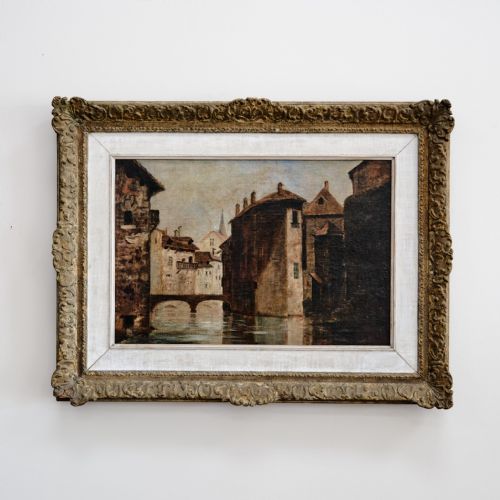
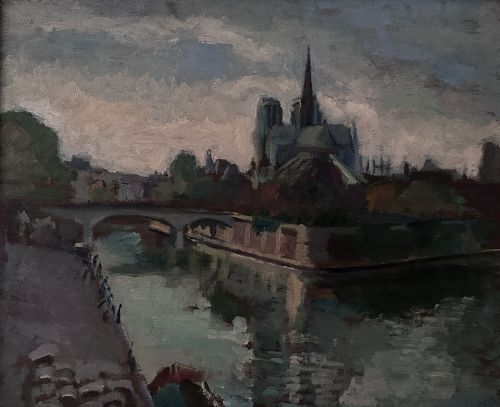
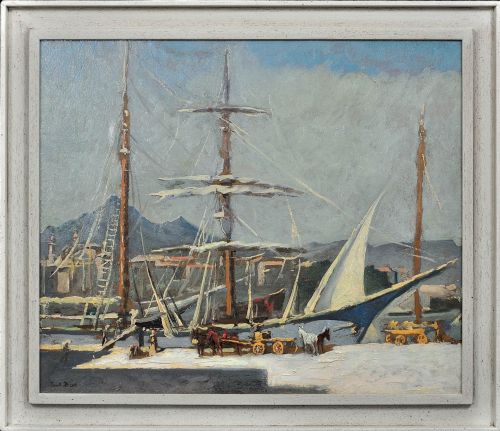
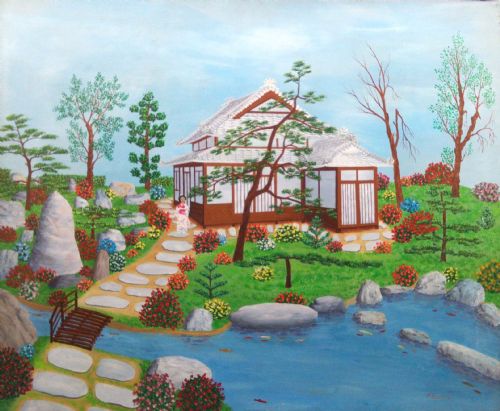
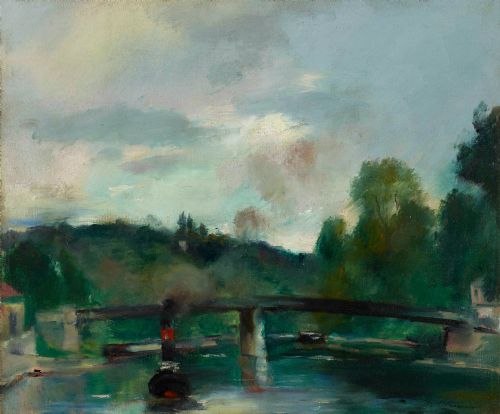
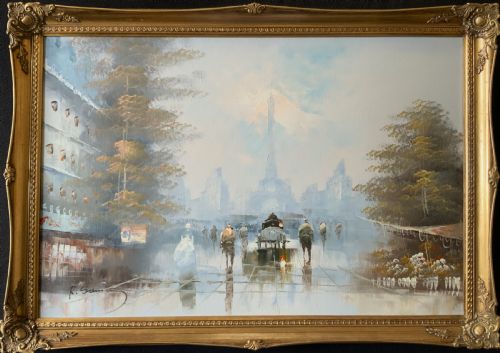
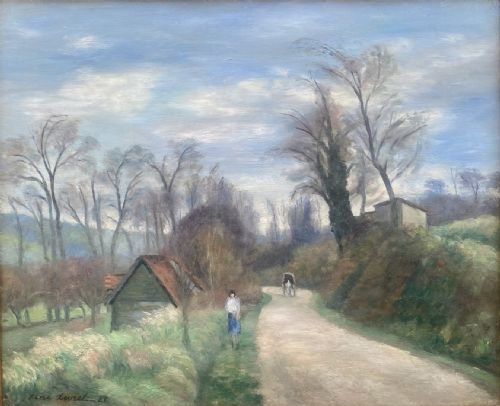
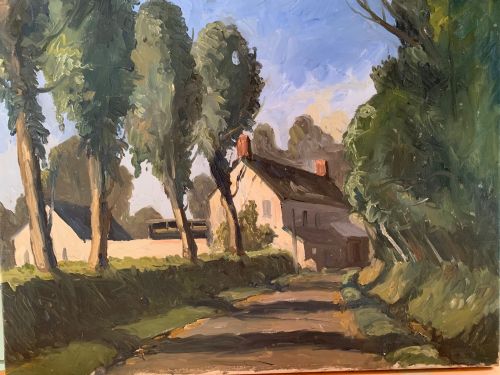
A vintage french landscape painting brings the light of Normandy, Paris and the Côte d'Azur directly into a room through oil and canvas.
Vintage French Landscape Painting
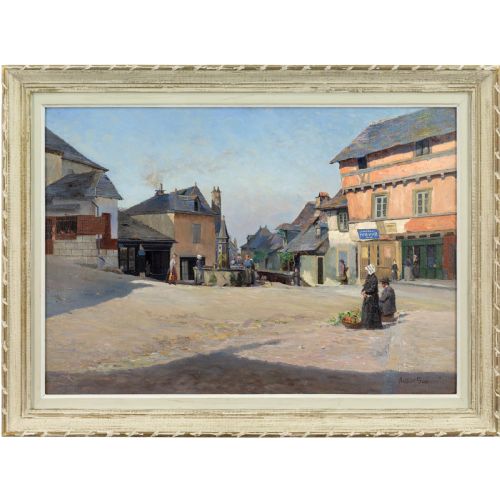
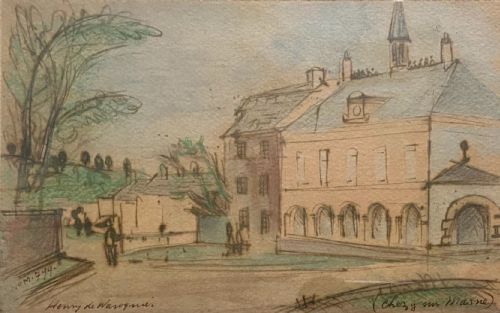
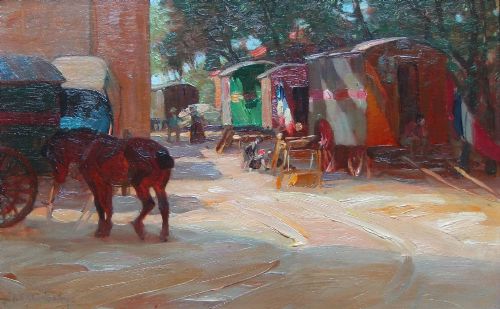
A vintage french landscape painting spans works created across the nineteenth and twentieth centuries, capturing scenes from rural riverbanks to bustling city squares. The selection centres on oil paint applied to canvas or wood panel, alongside mixed media drawings and watercolours from periods such as the 1920s and 1950s.
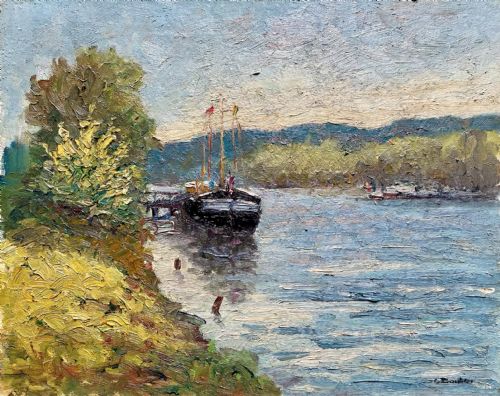
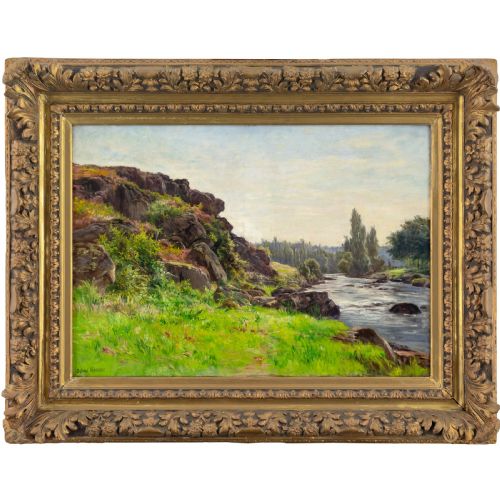
Buyers encounter works reflecting Impressionism, Post-Impressionism and Mid-Century Modern movements, often framed in period wooden mouldings with gesso or gilding. Subjects range from the Seine near Giverny and Parisian street scenes to coastal views of Brittany and the Mediterranean.
These pieces connect collectors to regional French schools and named artists who recorded changing light and everyday life. Works vary from intimate panels to large cityscapes and coastal panoramas.
Materials and technique
Artists built these compositions primarily using oil paint on stretched canvas or wooden panels, applying pigment with brushes or palette knives to build texture. Watercolours, pastels and ink appear across works on paper and mixed media pieces.
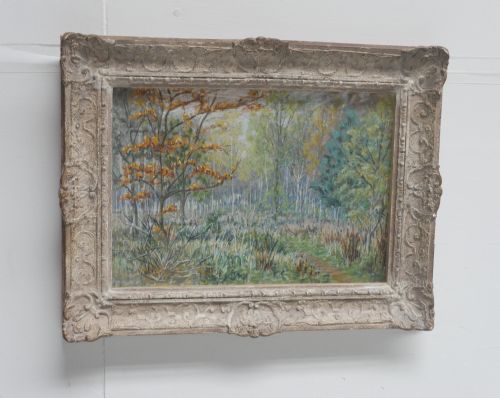
Frames play a structural and aesthetic role, frequently constructed from wood with applied gesso details and gilded surfaces that complement the painted canvas within. Panels offer a rigid support for works executed outdoors or in urban settings.
Some coastal canvases carry actual grains of sea salt embedded in the impasto from decades of windy plein air sessions.
Factors of quality
Quality rests upon the confidence of the brushwork and the artist's handling of light and atmospheric perspective within the composition. Stronger works demonstrate a deliberate command of colour and proportion that anchors the scene.
The integrity of the original support, the preservation of the paint surface and the condition of the period frame all contribute to the standing of an individual piece.
Gabriel Mathieu·Arthur Gué·Paul Bret·Henri Ottmann·Rene Levrel·Henry de Waroquier·Paul Ehrenberg·Lilian Colbourn·Paul-Élie Gernez·Caroline Burnett·Charles Clair·Henri Jaques Delpy·Paul-Jean Anderbouhr·Raymond Moritz·Alexandre Le Bihan·Louis Suire·Gustave Vidal·Jean-Baptiste Olive·Raymond Picque·William Lee Hankey·Fred Pailhes·Gabriel Dauchot·Mario Pinetti·Cecil Rochfort D'Oyly-John
The Vintage French Landscape Painting Glossary
- Canvas
- A heavy woven fabric stretched across a wooden frame to serve as a support for oil painting. It provides a flexible yet durable surface that responds well to traditional layering.
- Gesso
- A plaster mixture applied to wooden frames or panels to prepare the surface for gilding or painting. It creates a smooth base that accepts decorative details.
- Post-Impressionism
- An art movement following Impressionism where painters extended its use of vivid colour and brushwork while exploring structure and emotional expression. Works from this tradition emphasise distinct forms and personal vision.
- Panel
- A flat piece of wood used as a rigid alternative to canvas for painting. Panels offer a stable surface that preserves fine details.
- Gilding
- The application of a thin layer of gold leaf or metallic finish to wood frames. This technique adds reflective warmth around the artwork.
Vintage French Landscape Painting: Frequently Asked Questions
How do I date a french landscape painting?
Dating relies on stylistic clues, framing materials, stretcher construction and signatures recorded on the canvas or panel. Twentieth-century works often reflect shifts toward Post-Impressionism and Mid-Century Modern movements.
Examine the back of the stretcher or panel for inscriptions, gallery labels and artist stamps that provide specific years or exhibition histories.
Where should I hang an oil painting?
Select a wall with stable ambient temperature away from direct sunlight and high humidity to protect the oil paint and canvas. Proper placement prevents the canvas from sagging and guards the gesso frame against cracking.
Pair the scale of the painting with the wall space, ensuring eye-level positioning for optimal viewing of brushwork and detail.
What is the difference between canvas and panel?
Canvas consists of woven fabric stretched over a wooden frame, offering slight give and a textured surface for brushstrokes. Panels provide a completely rigid wooden support favoured for smaller or earlier works.
Both materials require careful handling, though panels are less prone to punctures while canvas can be restretched if necessary.
How do I clean an antique frame?
Dust gilded wood frames gently with a soft, dry brush to remove surface particles without disturbing delicate gesso details. Avoid liquid cleaners and harsh chemicals that strip metallic finishes.
Consult a professional conservator if the frame shows flaking or structural instability around the corners.