
Vintage French Giltwood Mirror
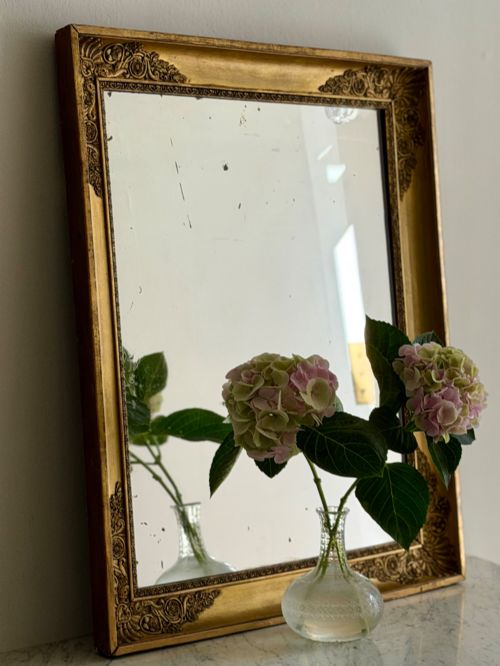
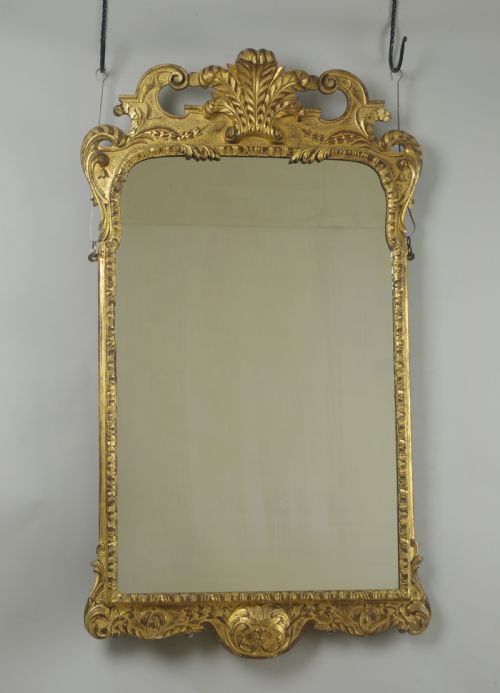
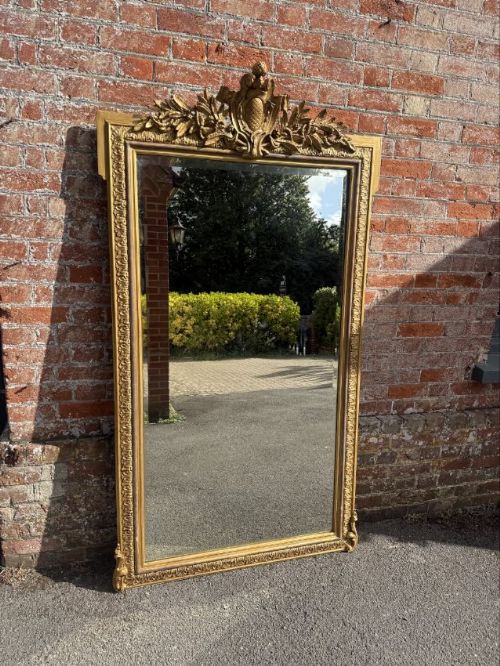
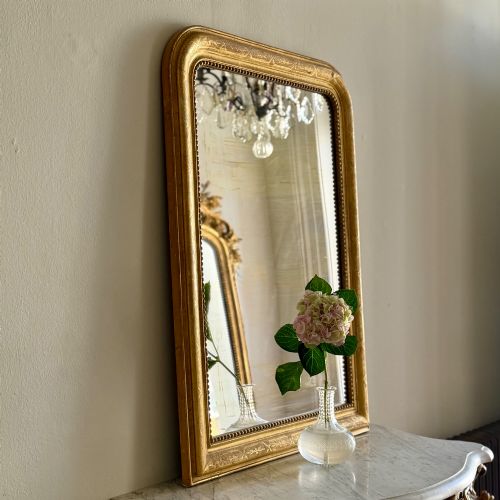
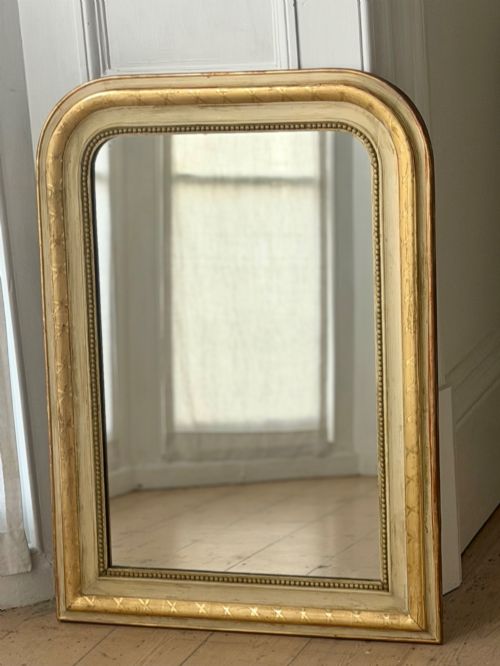
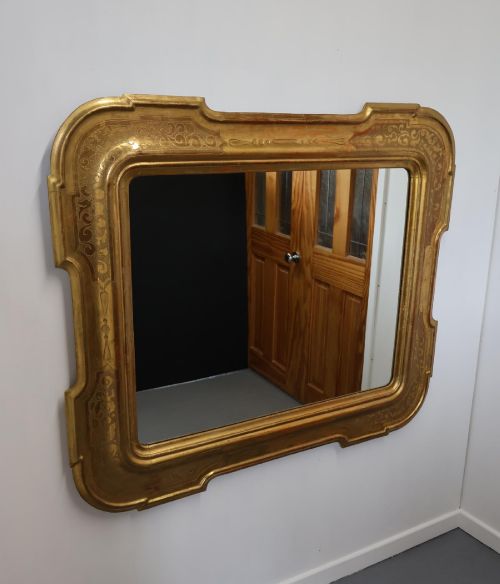
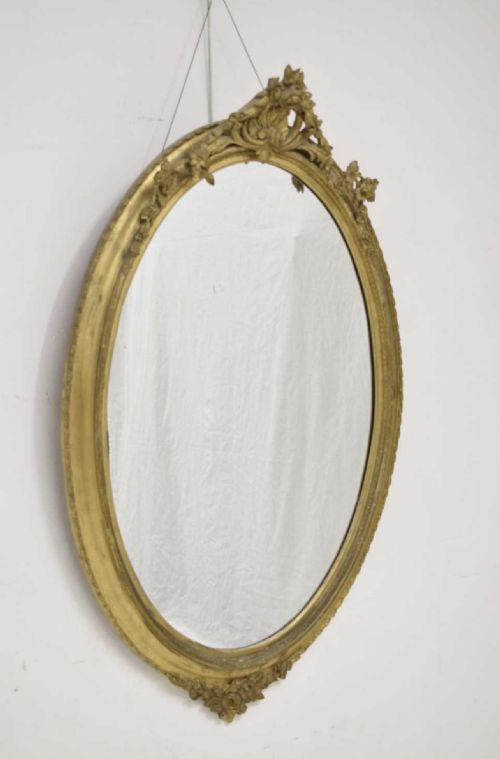
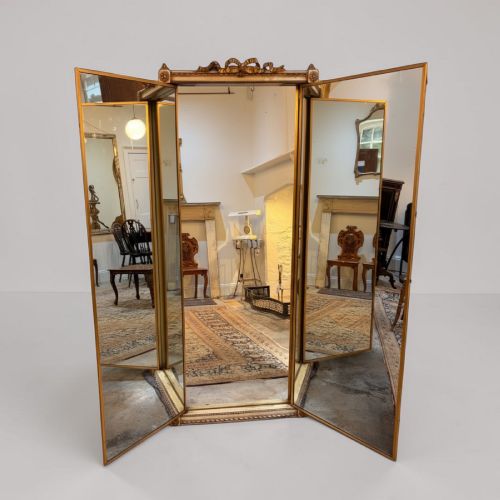
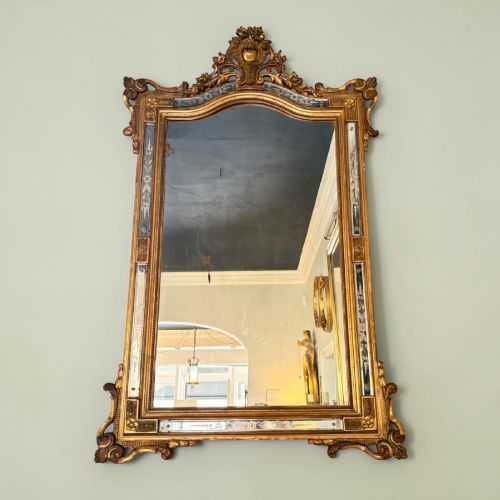
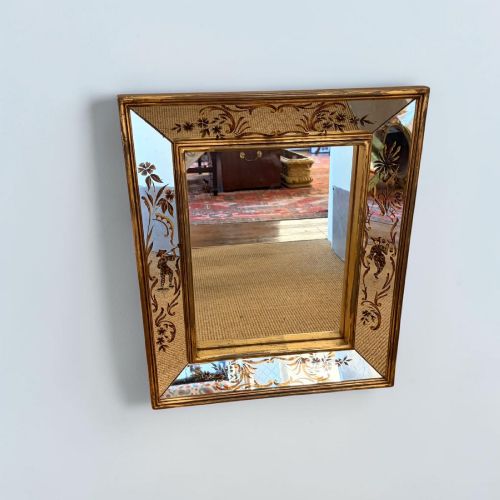
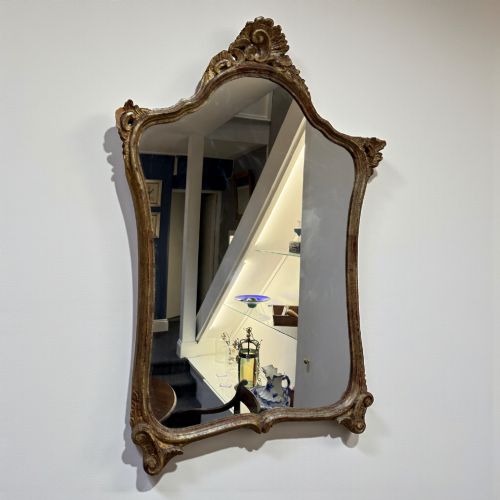
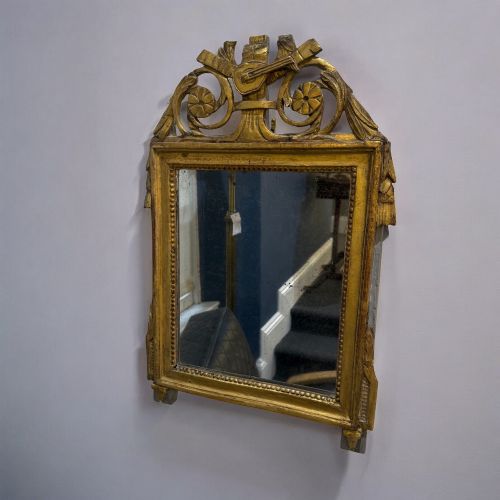
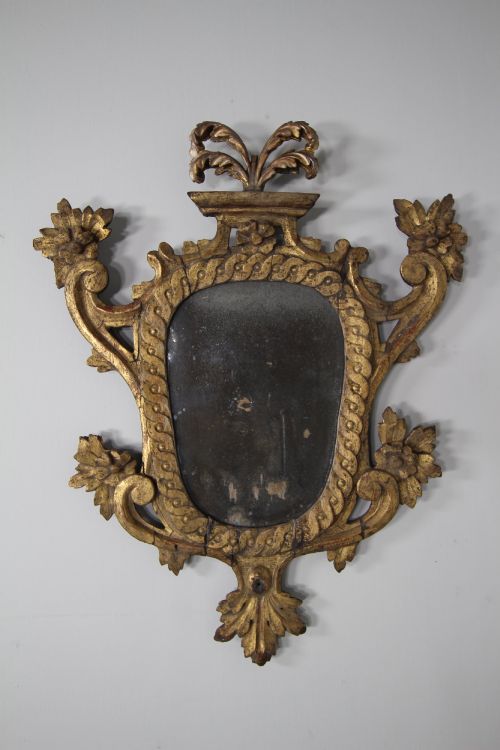
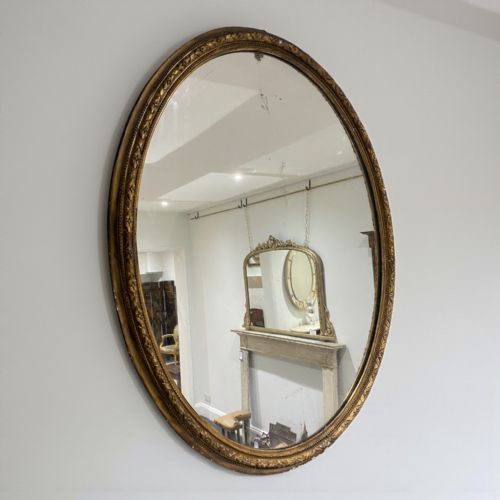
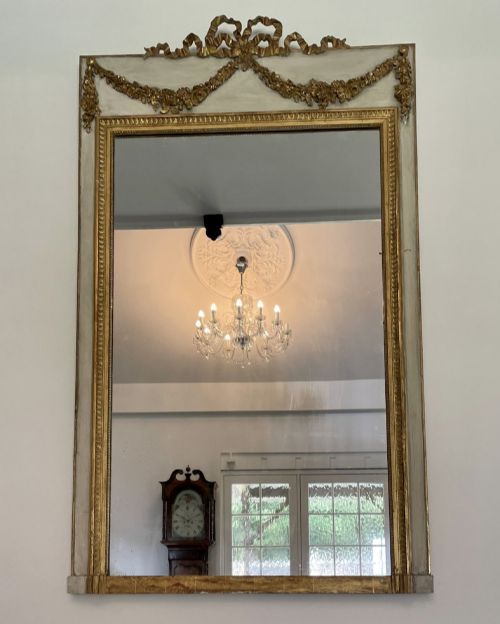
A vintage french giltwood mirror brings opulent carved reflection into a room, framed in gleaming gold leaf over carved wood and gesso.
Vintage French Giltwood Mirror
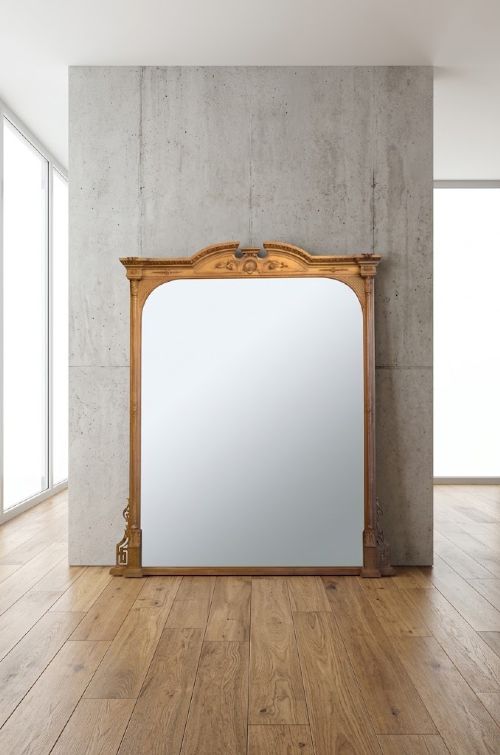
When you search for a vintage french giltwood mirror, you encounter a range of wall-hung and overmantel looking glasses originating primarily in the nineteenth and eighteenth centuries. The selection spans grand architectural proportions designed for chateaux alongside smaller domestic wall and pier mirrors.
How they were made
Maker's hands carved wooden frames from timber before applying layers of gesso to build up intricate relief details like floral carvings and decorative scrolls. Over this prepared ground, artisans laid delicate sheets of gold leaf or applied paint.
Mirrors utilised traditional glass plates, occasionally including mercury plates or etched designs, secured within heavy frames designed to support tall vertical or horizontal proportions.
The design styles represented range from French Rococo and Neoclassical to Victorian and Louis Philippe forms.
What varies in quality
Depth and crispness of the hand-carved wood and gesso ornamentation separate standard frames from exceptional ones, with finer examples displaying sharp relief and careful joinery. The richness of the original gilding and the preservation of the gold leaf also dictate the visual weight of the piece.
The integrity of the mirror glass itself, whether retaining original mercury backing or clear reflection, influences the character and authenticity of the looking glass.
The Vintage French Giltwood Mirror Glossary
- Giltwood
- Wood that has been coated with gold leaf or a gold-coloured finish. This technique creates a luminous surface that catches candlelight and daylight alike.
- Gesso
- A plaster-like mixture applied to wood frames to create a smooth base for carving and gilding. It allows for crisp, intricate decorative details.
- Overmantel mirror
- A large looking glass specifically designed to hang above a fireplace mantel. These horizontal formats often anchor a room's main reception space.
- Louis Philippe
- A mid-nineteenth century French style characterised by simple, elegant lines, often featuring a rounded top and subdued classical restraint.
- Mercury plate
- An older type of mirror glass made using a tin and mercury amalgam before modern silvering processes were invented. It often yields a mottled, atmospheric reflection.
Vintage French Giltwood Mirror: Frequently Asked Questions
How do I date a giltwood mirror?
Dating relies on examining the construction of the wooden frame, the style of the gesso carvings, and the backboards. Stylistic markers such as Rococo Revival curves or Louis Philippe proportions point to specific decades.
Physical indicators like hand- cut screws, old fixings, and the composition of the mirror plate itself help confirm the era of manufacture.
Where should I hang an overmantel mirror?
An overmantel mirror traditionally hangs directly above a fireplace mantel to reflect light and expand the visual space of a room. Secure fixings are essential given the substantial weight of carved timber and gesso frames.
Positioning the glass at the correct height ensures it mirrors the room's main focal points and balances surrounding furniture.
How do I clean an antique mirror plate?
Cleaning requires a soft, dry microfibre cloth to gently remove dust from the glass and the delicate giltwood frame. Moisture must be kept away from the edges of the plate to prevent damage to the silvering or historical backing.
Harsh chemical cleaners should be avoided entirely to protect both the antique glass and the fragile gold leaf.