

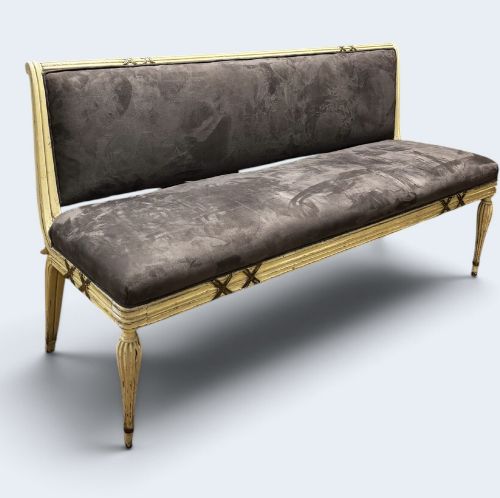
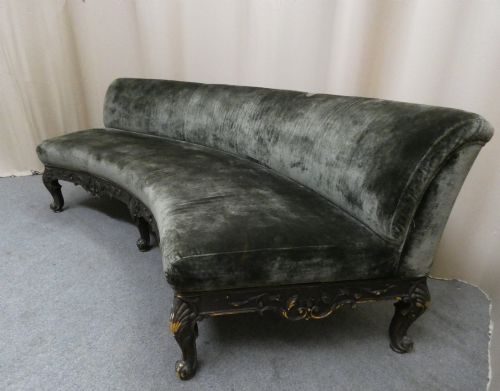
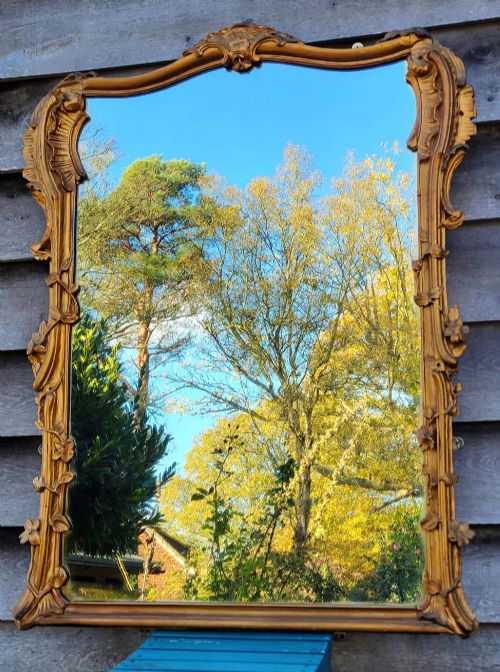
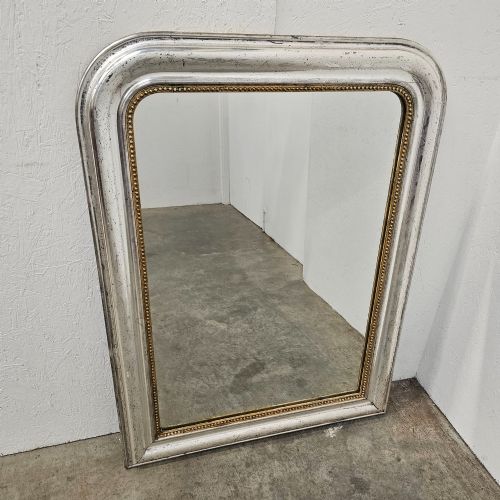


Vintage French Frame
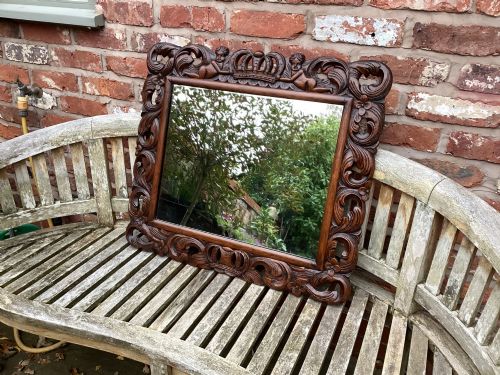
When you search for a vintage french frame, you find carved wood, gilded surfaces and classical forms shaped by nineteenth and twentieth century hands.
Vintage French Frame
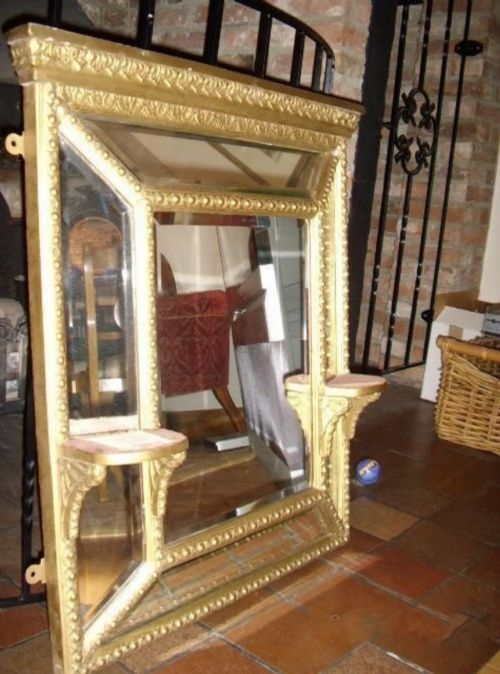
A vintage french frame encompasses wall mirrors, overmantel mirrors and picture frames shaped by nineteenth and twentieth century traditions. These pieces originate from periods spanning the Victorian era through to mid-century modern design, with nineteenth century giltwood and gesso examples appearing frequently.
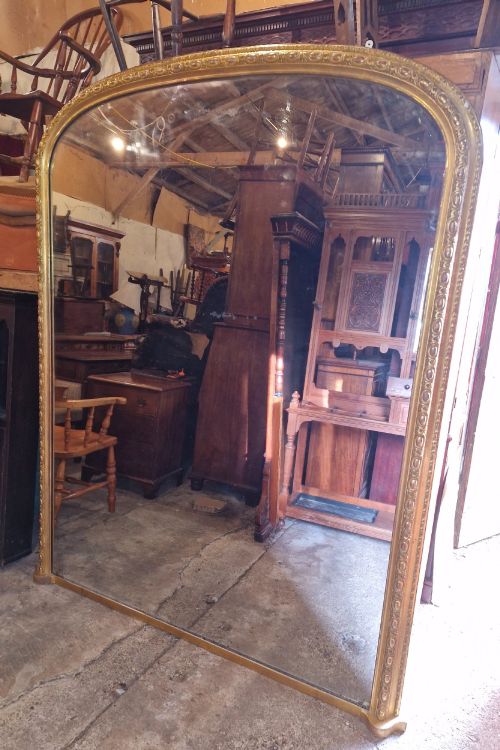
The selections on this page bridge domestic decor and fine art presentation, housing oil paintings or functioning as standalone wall mirrors. Forms range from arched Louis Philippe designs to Rococo revival styles laden with classical motifs.
Makers and artisans utilised traditional regional aesthetics, drawing on French chateau and country influences. Buyers encounter painted finishes, bare gesso, and mercury glass alongside carved wooden structures.
How they were made
Carved wood provides the structural foundation for many frames, frequently layered with gesso to create smooth surfaces for gilding. Artisans applied gold leaf, silver gilt, or water gilding to achieve reflective metallic finishes.
Glass components include standard mirror glass, bevel edged plates, and mercury glass. Etched glass and eglomise techniques introduce decorative detail directly onto the glass surface.
Cast brass and gilt bronze appear on supporting hardware and specific frame mounts. Joinery relies on traditional carpentry methods suited to heavy wooden mouldings and deep profiles.
Vintage French Frame Retail Price Guide 2026
Typical asking prices for vintage french frame among the pieces listed under this phrase on Sellingantiques today, from the lower quarter to the upper quarter. They describe what is for sale here now, not the wider market.
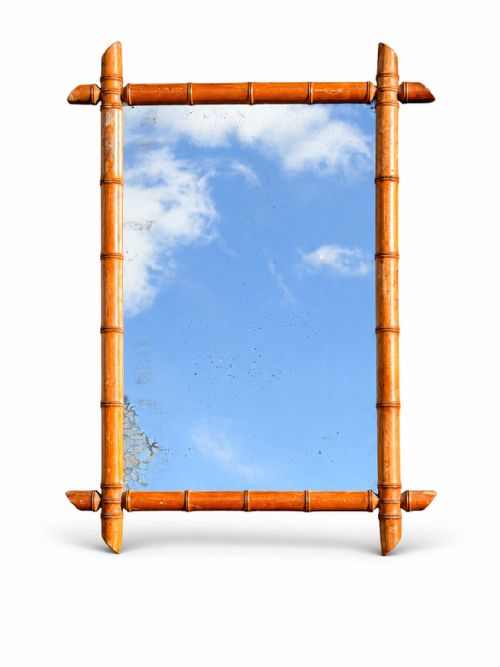
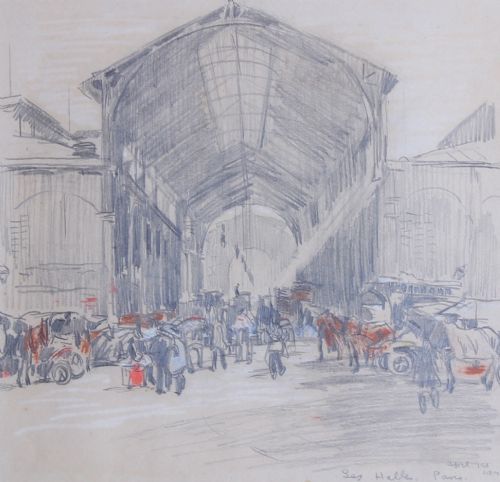
Look closely at the glass and you might spot a vintage beach scene or a Parisian townscape peering back at you.
What varies in quality
The depth and crispness of the wood carving distinguish superior frames from simpler production. Hand-carved relief work exhibits sharper definition and more fluid curves than moulded composition ornament.
The application and preservation of the gilt surface dictate overall visual impact. Water gilding over well-prepared gesso creates a warm, nuanced reflection that ages differently than modern metallic paint.
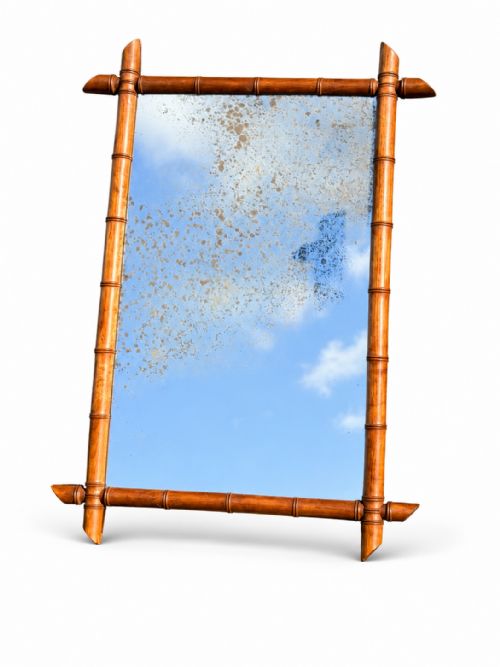
The integrity of the original glass plate contributes significantly to character and authenticity. Mercury glass and early bevelled plates display distinct silvering patinas developed over decades of exposure.
Hille·André Minaux·Achille Bron·Jean Corbeau·Evelyn Harris
The Vintage French Frame Glossary
- Gesso
- A plaster mix applied to wood frames to provide a smooth base for gilding or painting. It allows artisans to carve intricate details before applying gold leaf.
- Louis Philippe
- A mid-nineteenth century French design style characterised by understated elegance, simple curved arches, and minimal ornamentation. These frames often feature rounded top corners.
- Giltwood
- Timber coated with gold leaf or gold paint to simulate solid gold objects. This material defines the luxurious aesthetic of nineteenth century mirrors.
- Mercury glass
- A type of double-walled glass blown with a silvering solution inserted between the layers. It produces a mottled, dark reflective quality unique to older mirrors.
- Rococo
- An ornate design style featuring asymmetrical scrolls, shell motifs, and natural plant forms. French frames in this style display exuberant, flowing relief work.
Vintage French Frame: Frequently Asked Questions
How do I date a French mirror?
Dating relies on examining the backing boards, assembly techniques, and the type of glass plate used. Earlier pieces often feature hand-bevelled edges and mercury glass.
Style indicators also help establish age, as nineteenth century pieces frequently display Rococo revival motifs or Louis Philippe arched tops.
What is mercury glass?
Mercury glass is a historic form of mirrored glass created by pouring a silvering solution between two walls of blown glass. It produces a characteristic dark, mottled reflection.
Despite the historical name, actual mercury was rarely used in the final sealing process after the early nineteenth century.
How should I hang a heavy overmantel mirror?
Heavy overmantel mirrors require secure anchoring directly into wall studs or solid masonry using appropriate weight-rated fixings. Professional installation is recommended due to the substantial combined weight of the wood, gesso, and thick glass.
The hanging wire or brackets on the frame must be inspected to ensure they can support the vertical load safely.
What is the difference between gesso and giltwood?
Gesso is the preparatory plaster mixture applied to carved wooden frames to create a smooth surface for finishing. Giltwood refers specifically to the finished timber coated in gold leaf.
Many antique frames utilise both materials, where the carved gesso base supports the applied gold leaf layer.