
Vintage French Ceiling Pendant
These vintage french ceiling pendant fixtures bring focused illumination and decorative presence to a room, offering period charm through brass, crystal and glass.
Vintage French Ceiling Pendant
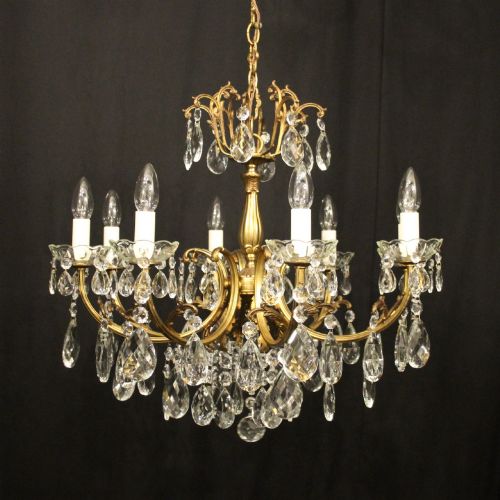
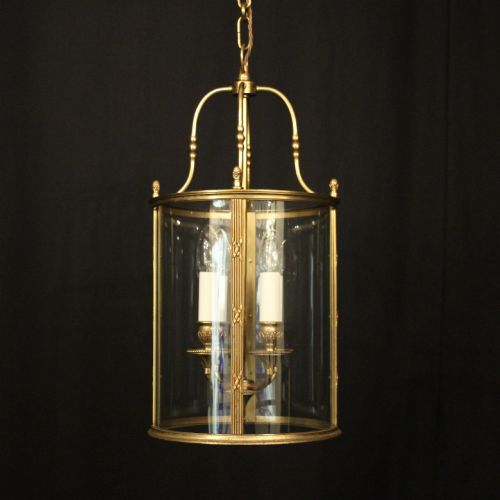
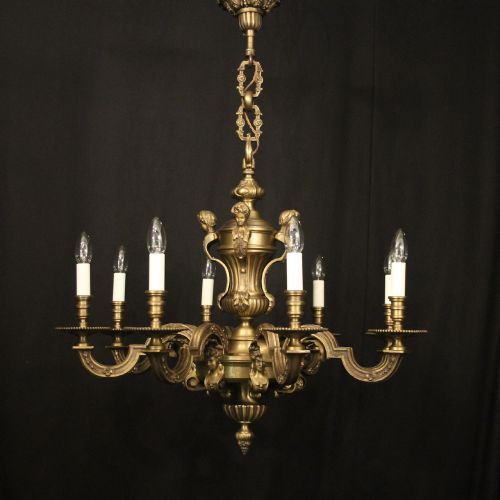
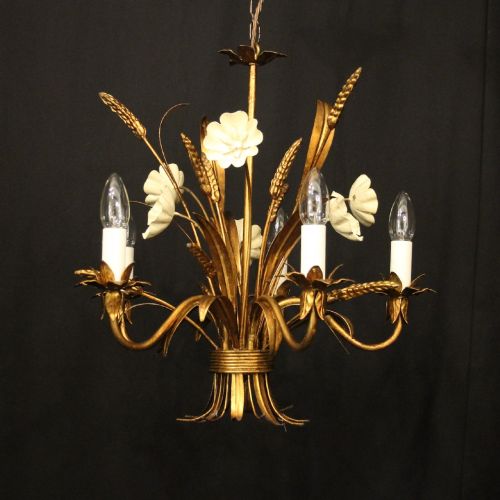
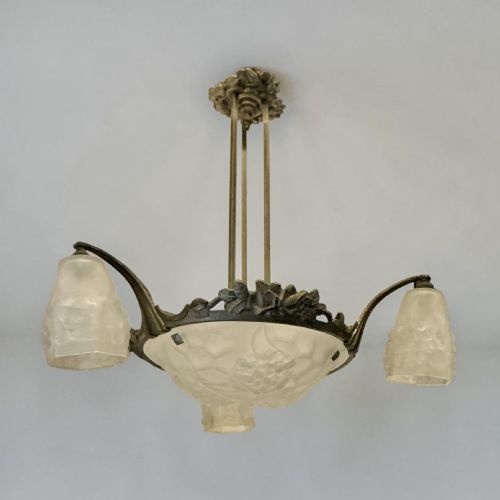
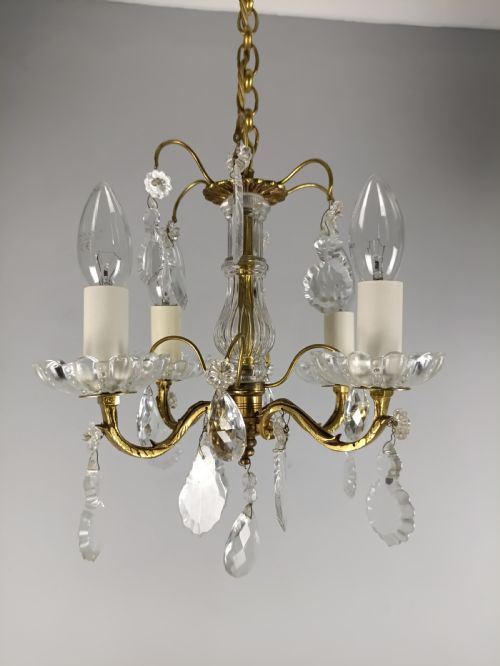
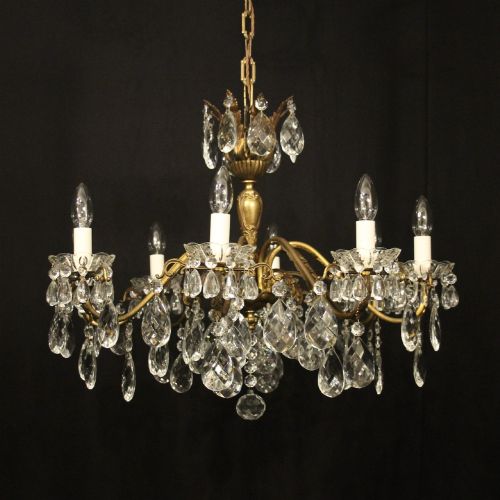
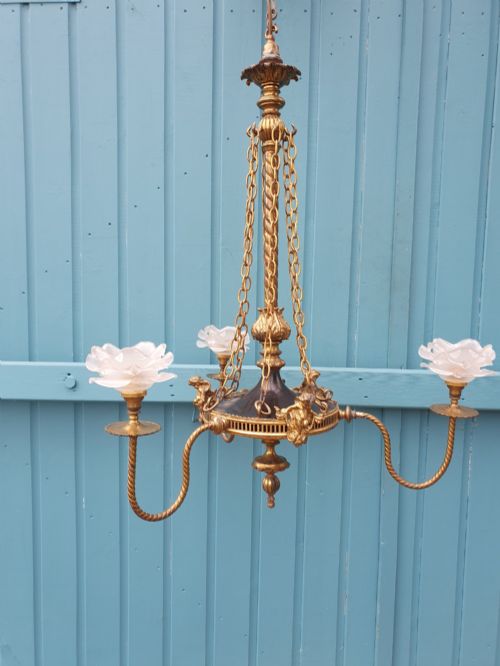
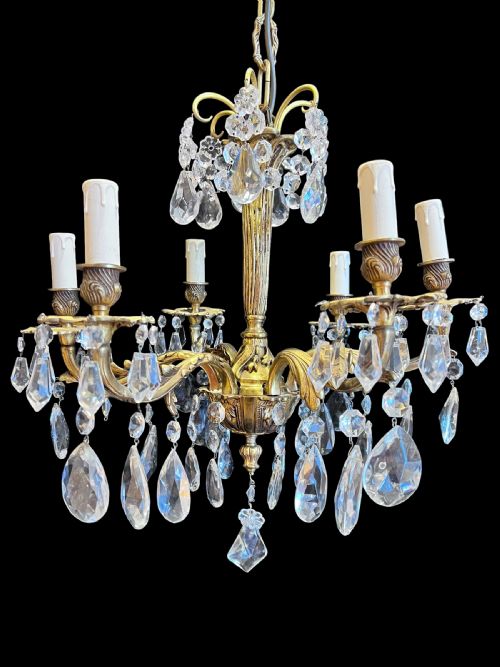
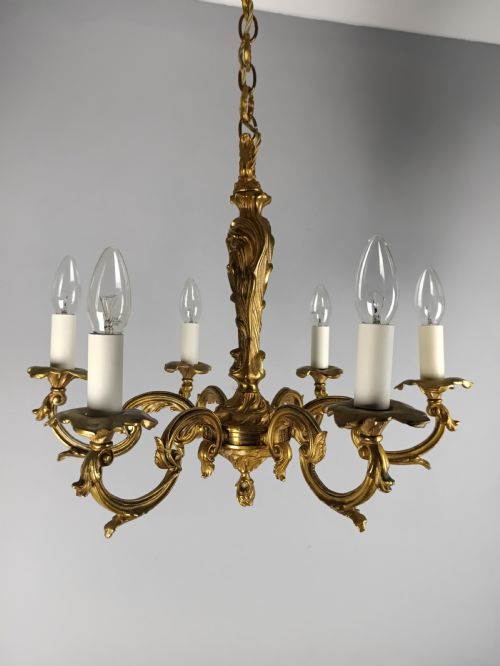
When searching for a vintage french ceiling pendant, buyers encounter a variety of hanging light fittings designed to suspend from overhead. The selection on this page spans distinct forms including chandeliers, hall lanterns, plafonieres and glass globe hanging pendant lights.
Originating across the nineteenth and twentieth centuries, these pieces incorporate styles such as Art Deco, French Empire, Neoclassical and Rococo Revival. Most examples date from the early decades of the twentieth century down to the Edwardian period and the eighteen-nineties.
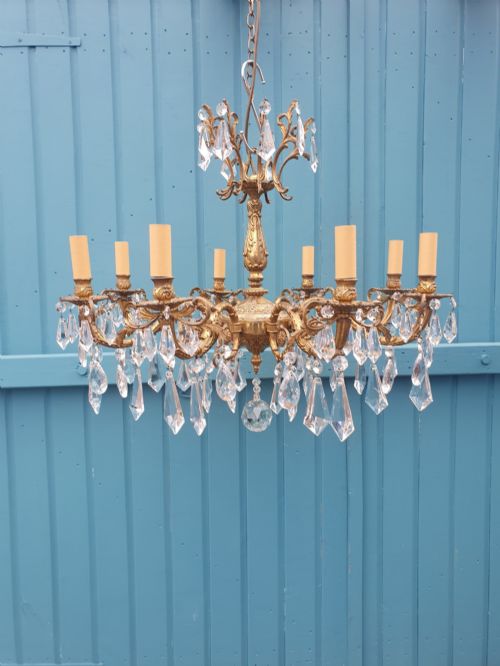
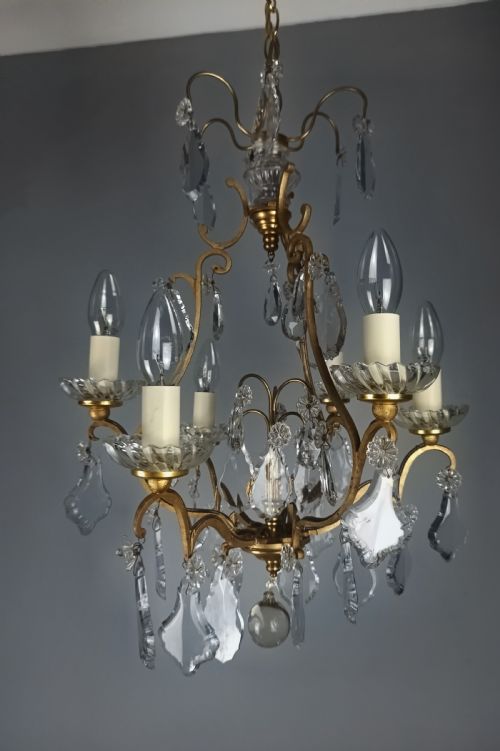
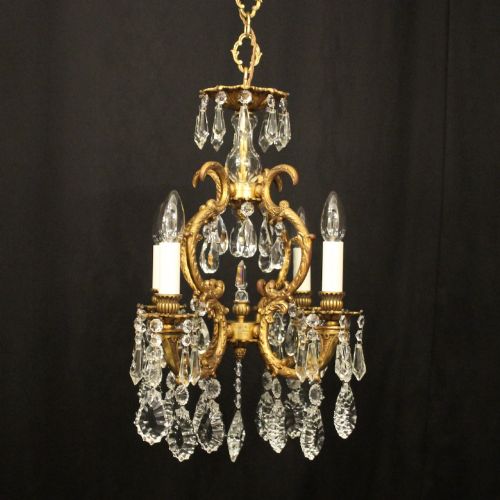
The assortment ranges from multi-light brass frameworks hung with crystal lustres to single bulb enclosed lanterns and carved giltwood fixtures. Buyers select these lights to introduce character and historical context to domestic interiors.
How they were made
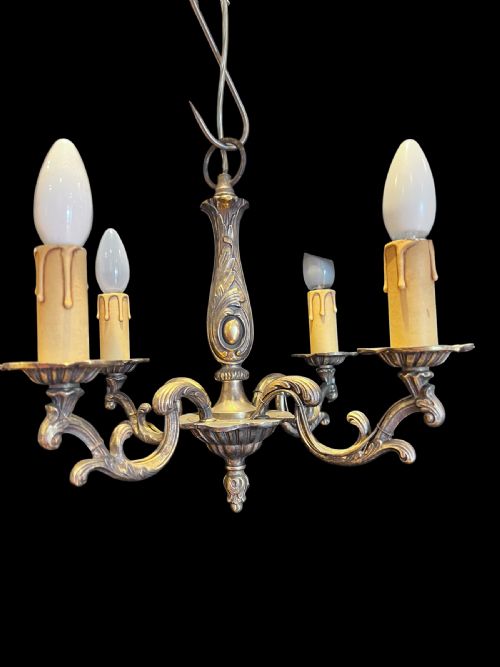
Metalwork forms the structural core of these fixtures, utilising cast and chased brass, gilt bronze, gilt metal, copper and dark bronze. Artisans shaped these metals into complex frames, birdcages, tent structures and decorative mounts.
Glass and crystal elements contribute light refraction and visual texture, appearing as cut glass crystal spikes, beaded strands, etched glass panels and moulded glass globes. Selected designs incorporate porcelain flowers, carved giltwood and tolewear ceramic details.
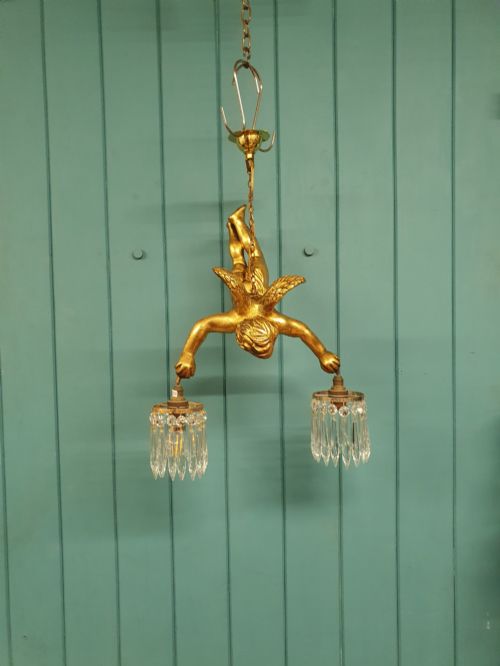
Several fixtures include winged cherubs and flying cupids keeping watch from above the crystal spikes.
What varies in quality
Quality in these ceiling fittings rests on the precision of the metal casting and the clarity of the glass or crystal components. Heavier cast bronzes and crisply chased brass frames distinguish finer examples from simpler production.
The integration of decorative elements, such as hand-cut crystal lustres, carved wooden motifs and detailed cherub figures, marks the division between standard commercial lighting and superior craftsmanship.
Émile-Jacques Ruhlmann
The Vintage French Ceiling Pendant Glossary
- Plafoniere
- A ceiling-mounted lighting fixture that sits close to the surface rather than hanging on a long suspension chain. These often feature moulded or etched glass bowls held within a metal mount.
- Tent and waterfall
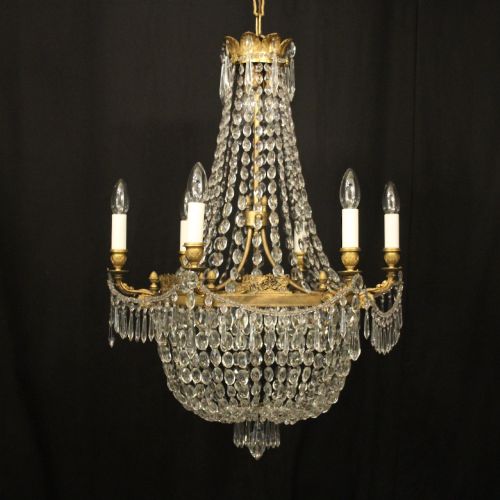
- A chandelier configuration where strings of crystal beads form an upper tent shape above a wider cascading circle of drops. This design maximises light reflection from internal candles or bulbs.
- Hall lantern
- An enclosed hanging light designed for corridors and entrance spaces, typically featuring glass panes set into a brass or bronze framework. Convex and triple light variants are common in French examples.
- Gilt bronze
- An alloy of copper and zinc treated with a gold wash or mercury gilding process, also known as ormolu. This material provides a durable, lustrous surface finish on period mounts and frames.
- Spelter
- A zinc alloy used as a cost-effective substitute for bronze in decorative figures and structural elements. It is often painted or gilded to imitate more precious metals.
Vintage French Ceiling Pendant: Frequently Asked Questions
What is a tent and waterfall chandelier?
A tent and waterfall chandelier uses tiered strings of crystal beads arranged in a conical upper section above a cascading lower ring. This construction creates a layered curtain of glass that diffuses light across the room.
Such fixtures typically date from the late nineteenth century into the nineteen-thirties and serve as primary statement lighting in principal reception rooms.
How do I choose a hall lantern?
Selecting a hall lantern involves matching the drop height and metal finish to the scale of your entryway. Options range from single light convex glass designs to triple light brass frames.
Consider whether you need an enclosed glass lantern to protect the bulbs from drafts and dust in high-traffic transitional spaces.
What materials are used in these lights?
These ceiling fixtures rely primarily on metal frameworks paired with glass or crystal elements. Common metals include brass, gilt bronze, copper, and dark bronze.
Transparent components consist of cut glass crystal spikes, beaded garlands, etched panels, and moulded globes, occasionally supplemented by porcelain flowers or giltwood carvings.
How do I date a French ceiling light?
Dating relies on stylistic indicators and material combinations characteristic of specific decades. Pieces referencing Empire or Neoclassical revivals often date to the late nineteenth or early twentieth century.
Art Deco examples introduce cleaner geometric lines and simple glass globe forms associated with the interwar period.