
Vintage Framed Prints
Vintage framed prints bring centuries of cartography, portraiture and natural history onto the wall with traditional glazing and wooden surrounds.
Vintage Framed Prints
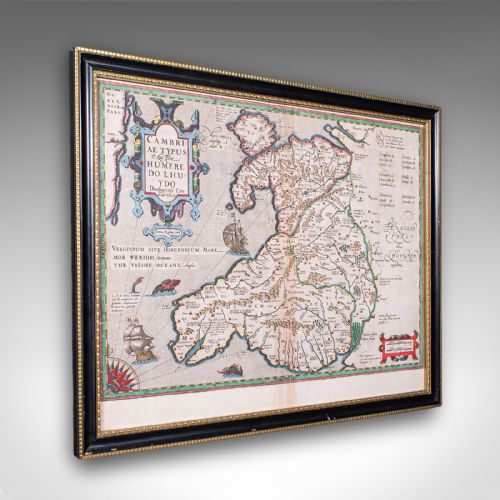
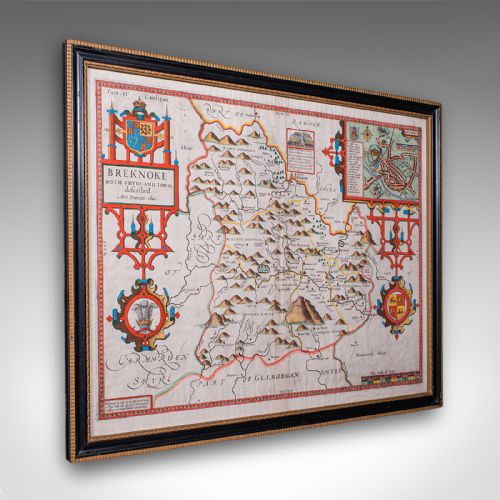
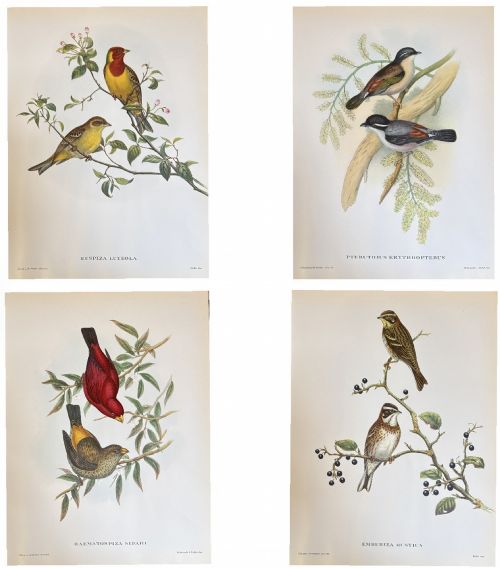
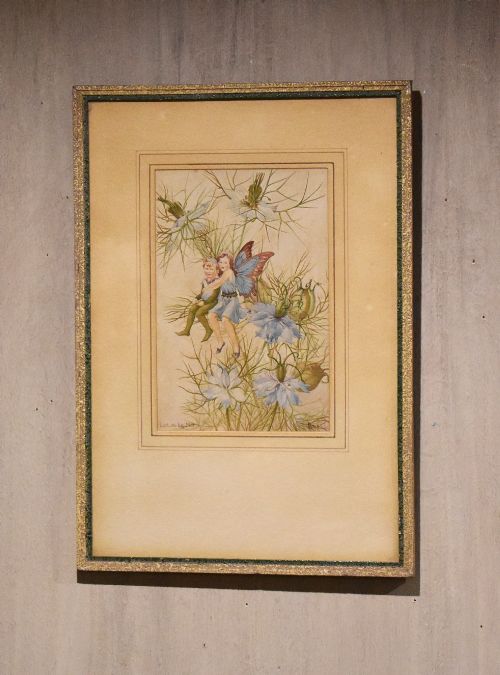
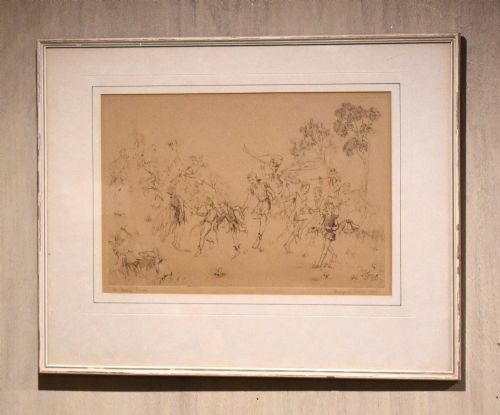
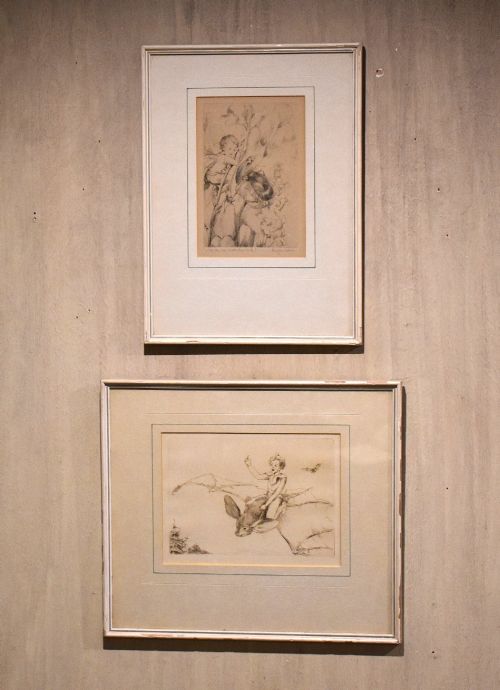
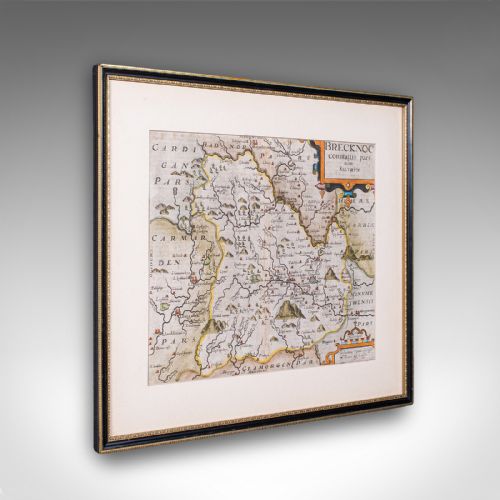
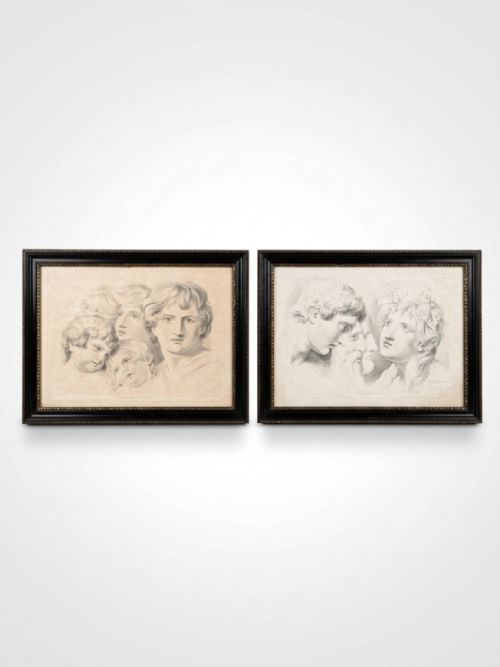
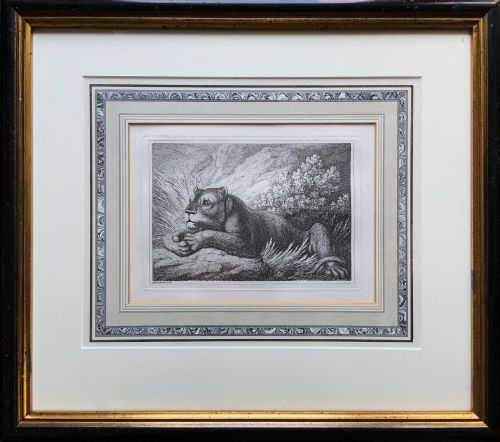
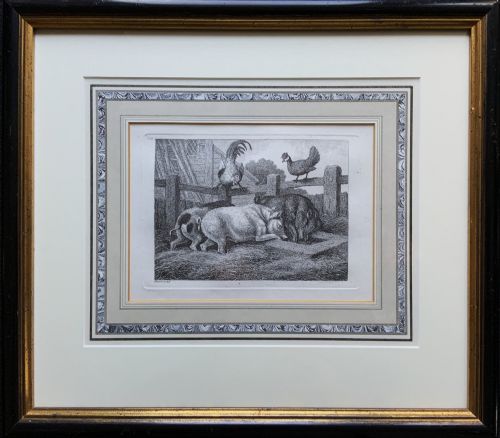
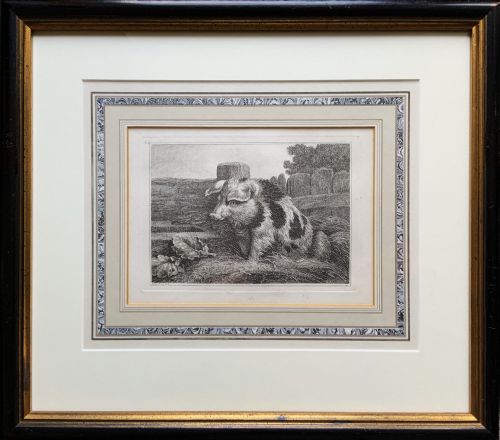
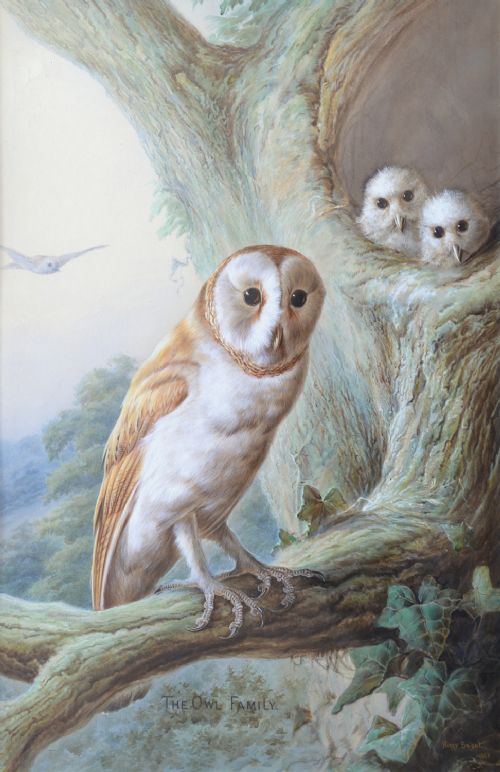
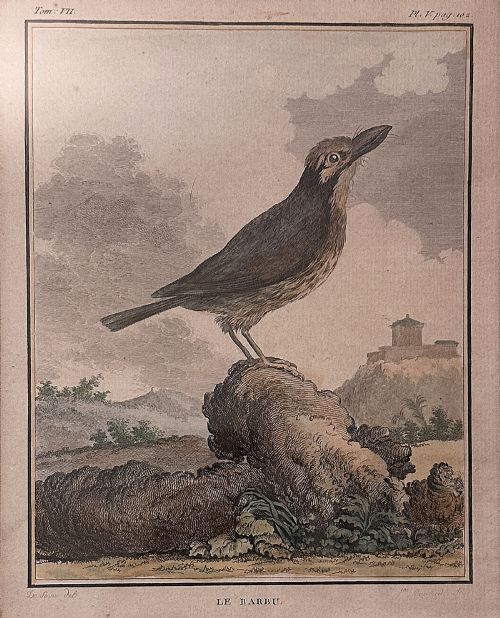
When searching for vintage framed prints, buyers encounter a diverse range of works spanning from seventeenth-century cartography to mid-twentieth-century lithographs and photographs. The selection frequently includes detailed engravings of birds and reptiles, historical maps of British counties, and delicate watercolour botanical studies.
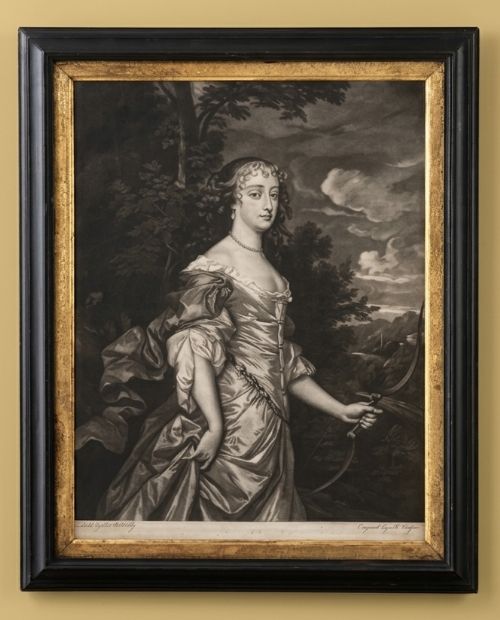
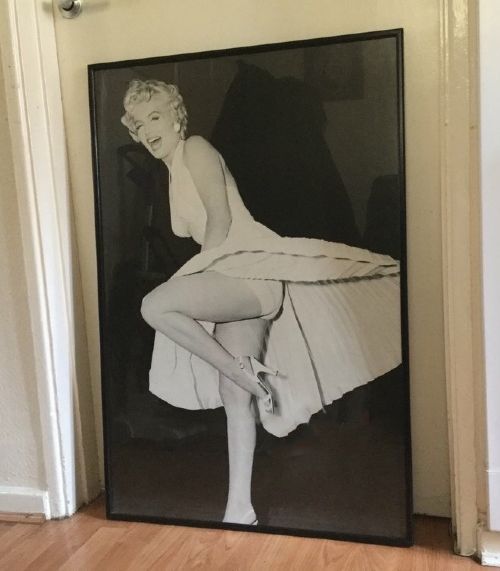
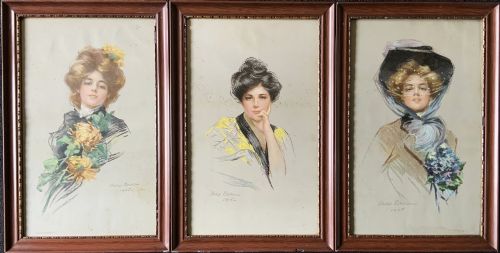
Early examples often take the form of copperplate maps and mezzotint portraits reflecting Georgian and Victorian aesthetics. Mid-century examples shift towards decorative wall art, botanical plates, and photographic prints housed in period timber frames.
Origins vary widely across British, European, and Japanese workshops, presenting buyers with everything from hand-coloured natural history plates to woodblock prints. These pieces offer a direct connection to past illustrative techniques, preserved beneath protective glass.
Materials and construction
Production relies heavily on paper sheets marked with ink, watercolour, or etching pigments, often enhanced by hand-colouring in early periods. Printing methods span from traditional woodblock carving and copperplate engraving to later lithography and photographic reproduction.
Frames are constructed predominantly from wood, incorporating gilt finishes, gold leaf, or plain oak mouldings to secure the artwork. Glass covers the face of the paper, protecting delicate pigments and watercolours from atmospheric dust and handling.
Factors determining quality
Quality rests significantly on the precision of the printing technique and the clarity of the impression left upon the paper. Early impressions taken from freshly cut plates display crisp lines and fine detail that soften in later runs.
The preservation of the original paper and the presence of period materials in the frame dictate the overall integrity of the piece. Contemporary framing alters the context, whereas original seventeenth- or eighteenth-century mountings maintain historical continuity.
John Speed·Samuel Howitt·Sir Peter Lely·Sir Joshua Reynolds·Marjorie L Davies
The Vintage Framed Prints Glossary
- Mezzotint
- A printmaking process where the copper plate is roughened to achieve rich tonal gradations and dark backgrounds. This technique was frequently utilised for eighteenth-century portraiture.
- Lithograph
- A planographic printing process based on the antipathy of oil and water, commonly used for colour printing in the nineteenth and twentieth centuries. It allows for smooth tonal transitions across the image.
- Etching
- A method where lines are bitten into a metal plate with acid before ink is applied for printing. This process creates fine, expressive lines seen in many historical artworks.
- Woodblock
- A relief printing technique where an image is carved into a block of wood, leaving the printing parts prominent. Japanese examples often employ multiple blocks for different colours.
- Engraving
- A technique where an artist cuts lines directly into a metal plate using a sharp tool called a burin. The resulting prints exhibit sharp, clean definitions.
Vintage Framed Prints: Frequently Asked Questions
How do I date an old print?
Dating relies on examining the paper type, printing technique, and stylistic markers inherent to the period of production. Inscriptions, publisher details, and watermarks within the paper often provide exact chronological clues.
Frame construction and backing materials also offer corroborating evidence. Original nails, wooden backing boards, and historical labels help confirm the age of the complete object.
Are these prints hand coloured?
Many historical natural history plates and maps feature hand-applied watercolours over a printed monochrome base. Artisans carefully painted these details by hand after the printing process concluded.
Close inspection under magnification reveals the brushstrokes and subtle variations typical of manual application. Monochrome engravings and lithographs rely entirely on inked lines or tone without added pigment.
How should I hang framed artwork?
Artwork on paper requires placement away from direct sunlight and high humidity to prevent fading and paper degradation. Stable indoor environments protect both the fragile medium and the historical frame.
Secure picture hooks rated for the weight of the timber and glass ensure safe wall mounting. Professional framing methods utilise acid-free backing materials to preserve the paper over decades.
What is a mezzotint portrait?
A mezzotint is an intaglio printmaking method that builds up velvety dark tones and subtle light gradients. Printmakers burnished the roughened copper plate to create highlights, resulting in luminous portraits.
This technique was particularly popular during the eighteenth century for translating oil paintings by artists like Sir Joshua Reynolds into print form. Collectors value them for their rich atmospheric depth.