
Vintage Framed Paper Artwork
Vintage framed paper artwork brings together centuries of delicate drawing, printmaking and painting behind glass, offering a direct link to the hands that made them.
Vintage Framed Paper Artwork
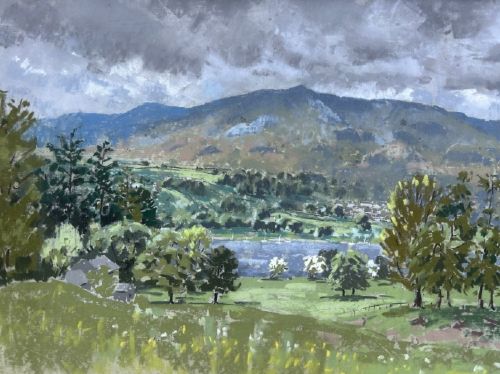
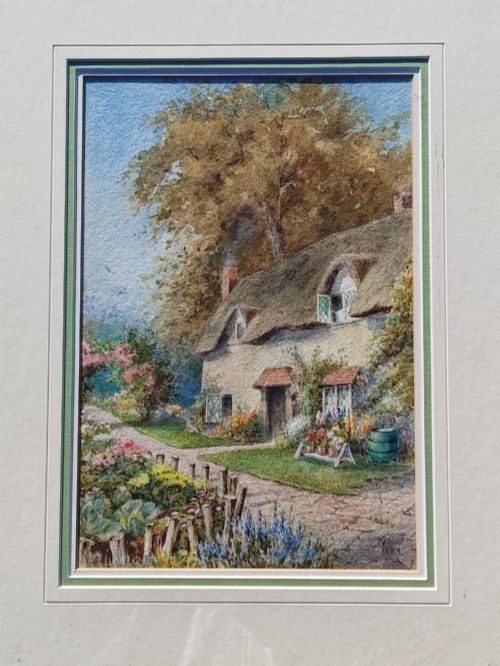
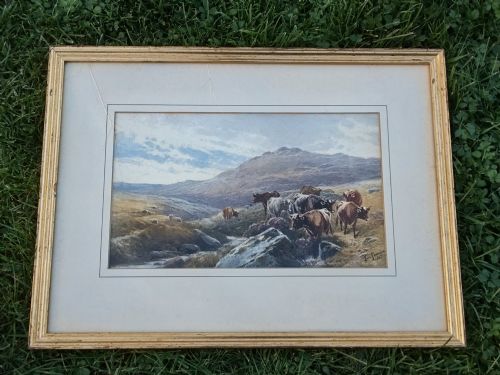
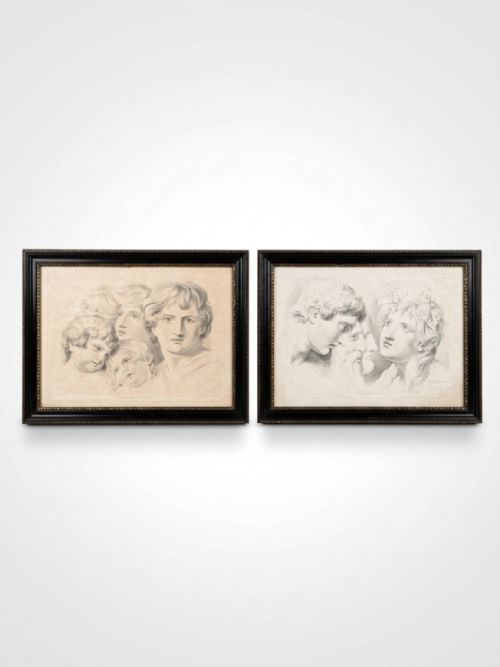
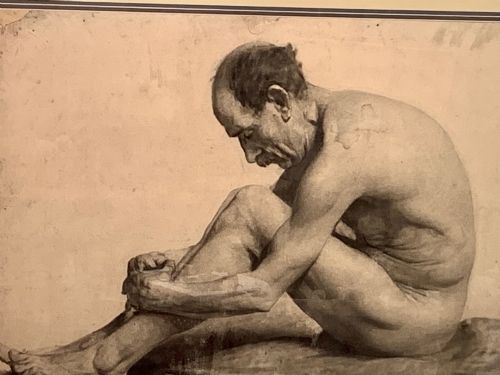
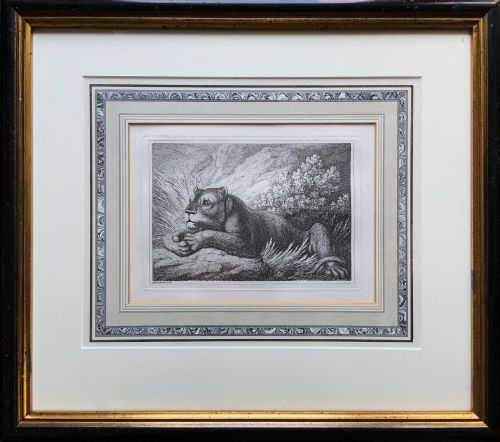
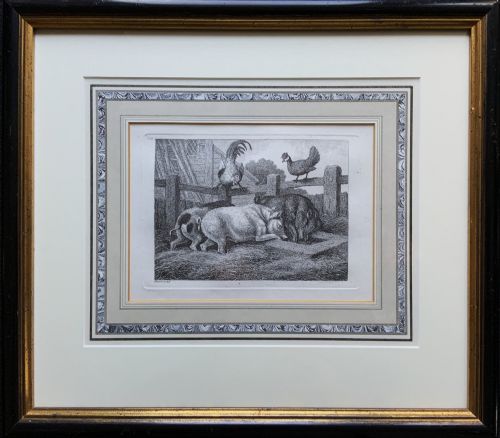
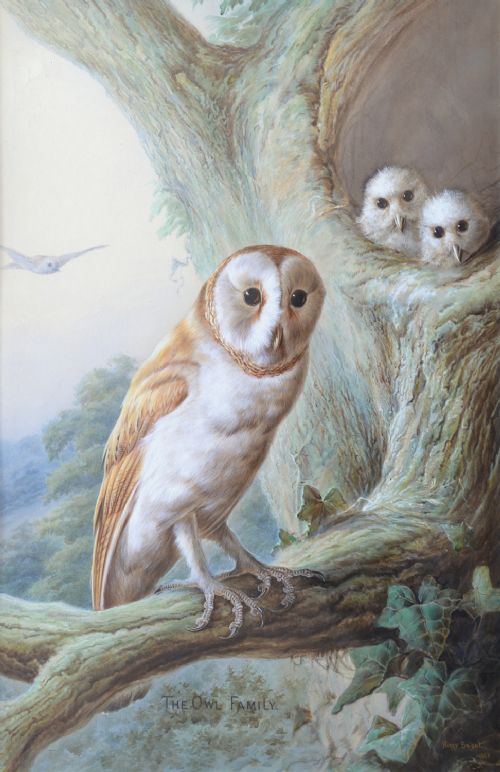
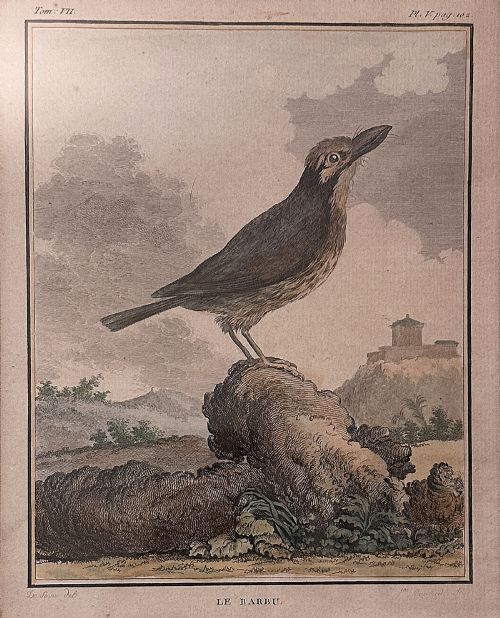
When searching for vintage framed paper artwork, collectors encounter a diverse range of works on paper spanning from the eighteenth century through to the mid-twentieth century. The selection encompasses delicate watercolours, precise pencil drawings, gouache studies, and varied print techniques housed within protective wood and glass frames.
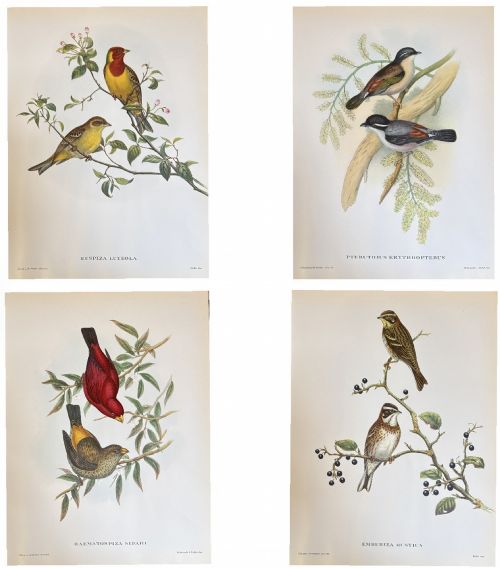
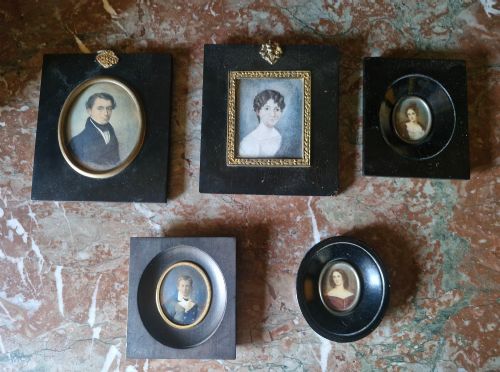
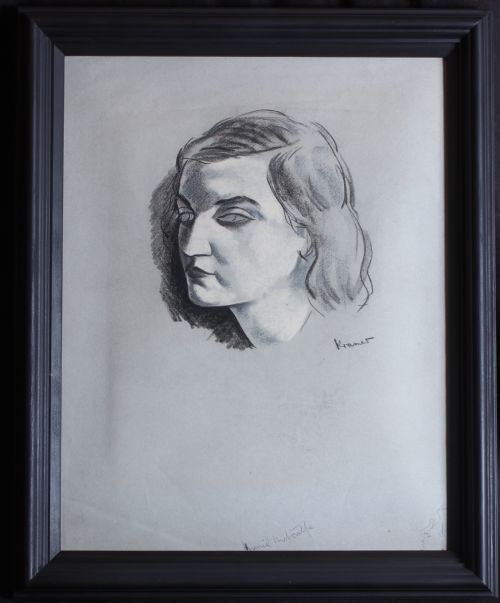
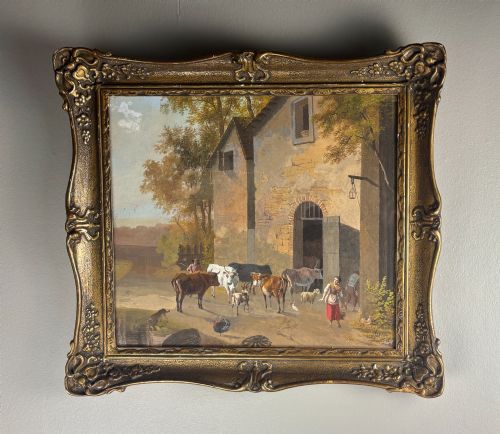
The most common examples on this page hail from the nineteenth and early twentieth centuries, featuring landscapes, portraits, and architectural scenes. Pieces range from detailed silhouette cut-outs and botanical lithographs to robust maritime watercolours and modernist ink drawings.
Origins vary widely, featuring British regional scenes alongside French railway posters, Chinese pith paintings, and portraits by named artists. Each piece relies on the fragile medium of paper, preserved through framing styles that reflect both the period of creation and subsequent mounting.
Materials and execution
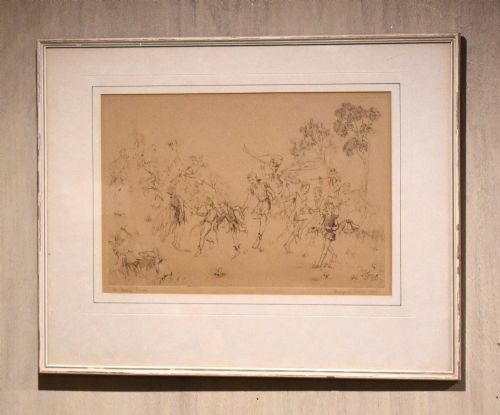
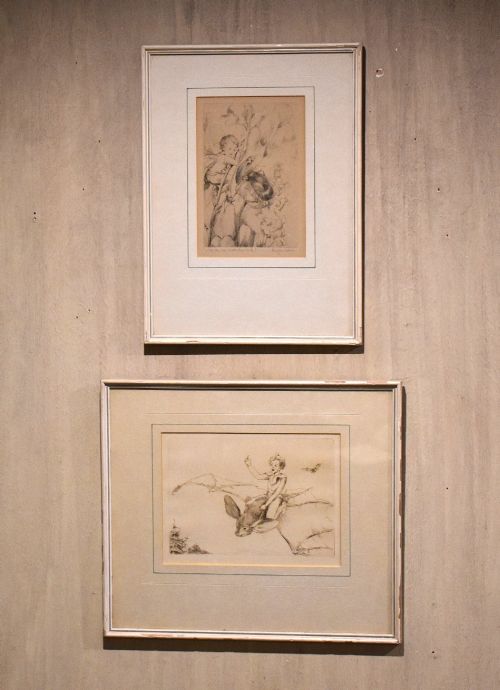
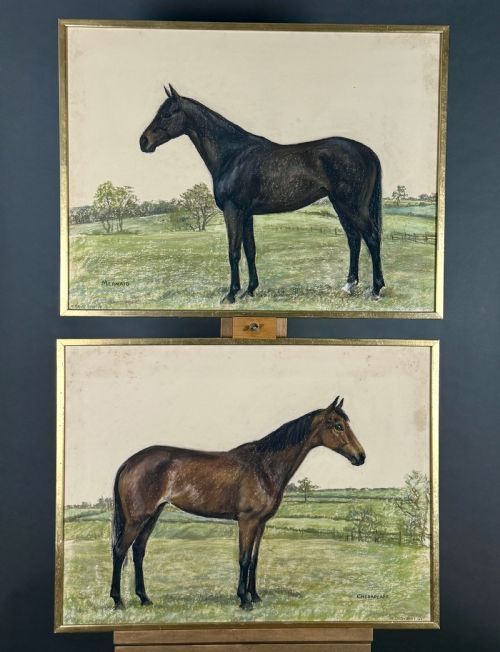
Artists worked primarily on various grades of paper, utilising watercolours, gouache, pastel, ink, and pencil to build compositions. Printmakers employed techniques such as etching, engraving, lithography, and mezzotint to produce multiples which were subsequently framed under glass.
Support materials typically include timber frames enclosing glass to shield the paper substrate from atmospheric moisture and handling. Backboards and mounts provide structural stability, often preserving the paper surface across decades or centuries of display.
Listings feature works spanning the 18th, 19th, and 20th centuries, executed in pastel, watercolour, ink, and pencil.
Judging quality in paper works
Quality rests upon the sureness of the hand, whether in the delicate brushwork of a watercolour or the crisp line of an etching. Superior examples demonstrate a strong command of medium and composition, capturing detail and tone without hesitation.
The preservation of the paper surface significantly dictates overall excellence. Works retaining their original colour intensity, free from heavy foxing or fading, represent the higher tier of these historical objects.
John Simon·Edward Fisher·John Smith·James McArdell·Robert Williams
The Vintage Framed Paper Artwork Glossary
- Mezzotint
- A printmaking process of the intaglio family where the plate is roughened to achieve rich tonal gradations. It allows for subtle transitions between light and dark areas in portraiture.
- Lithography
- A planographic printing process based on the repulsion of oil and water. Artists draw directly onto a limestone block or metal plate to create multiple impressions.
- Gouache
- An opaque watercolour medium containing a white pigment filler. It creates heavier, more saturated colour application than traditional transparent watercolour.
- Foxing
- Brown spots or patches that appear on older paper due to chemical reactions over time. It is a common occurrence in antique works on paper.
- Pith painting
- Works created on fragile plant material derived from rice paper trees, notably produced in nineteenth-century China for export. The material yields a characteristic velvety surface texture.
Vintage Framed Paper Artwork: Frequently Asked Questions
How should I hang paper art safely?
Keep framed pieces away from direct sunlight and damp environments to prevent fading and moisture damage. Stable indoor temperatures protect the fragile paper substrate over time.
Ensure that hanging hardware is securely fixed to the wall and that the frame rests level to avoid putting stress on the glass or mount.
What is a pith painting?
Pith paintings are delicate works produced on plant-derived material rather than standard wood-pulp paper. They frequently depict figures and customs from nineteenth-century China.
The organic material has a soft, absorbent quality that captures bright pigments distinctly, though the pieces require careful handling behind glass.
How do I date a silhouette?
Silhouettes often rely on costume details, hairstyles, and framing styles to indicate their period of origin. Regency examples frequently feature fine watercolour detailing added to the cut paper.
Signatures or inscriptions on the reverse can occasionally point to specific profilists or studios active during the eighteenth and nineteenth centuries.
Are mezzotints original works?
Mezzotints are considered original fine art prints rather than mechanical reproductions. Printmakers worked directly on copper plates to scrape and burr the surface by hand.
Each impression reflects the tonal control and individual skill applied during the plate-making and printing process.