



Vintage Food Storage
Vintage food storage brings together timber cupboards, painted cabinets and small kitchen boxes shaped by centuries of domestic daily life.
Vintage Food Storage
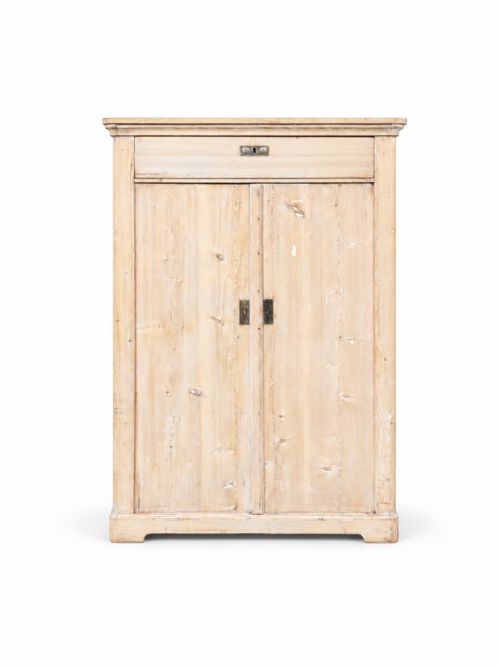
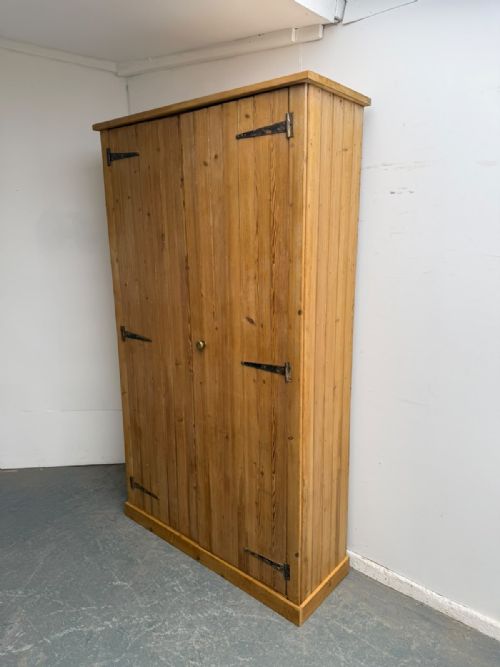
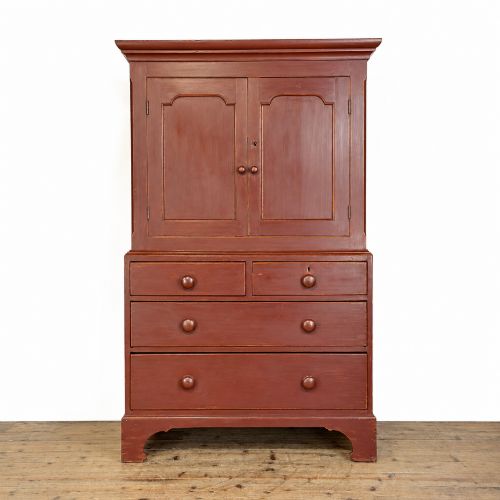
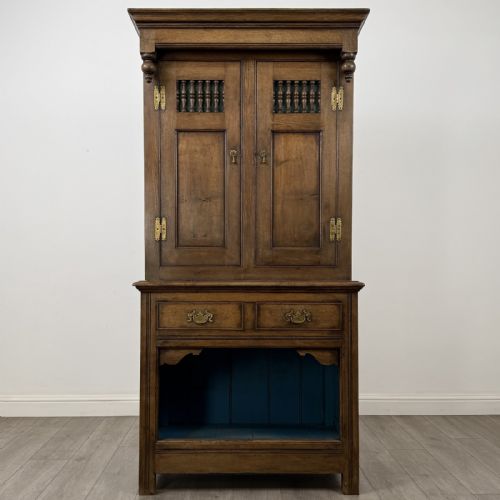
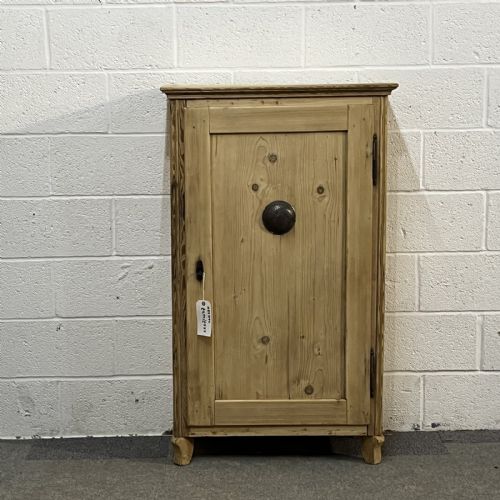
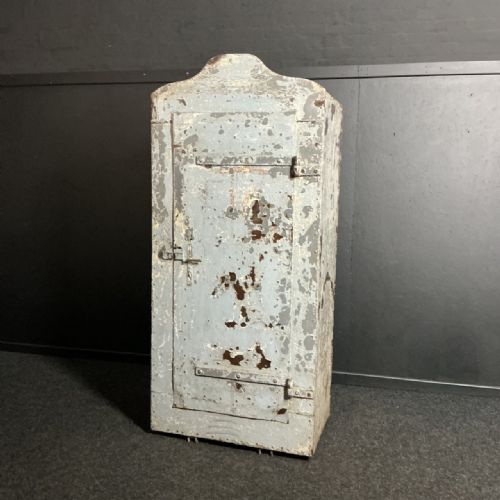
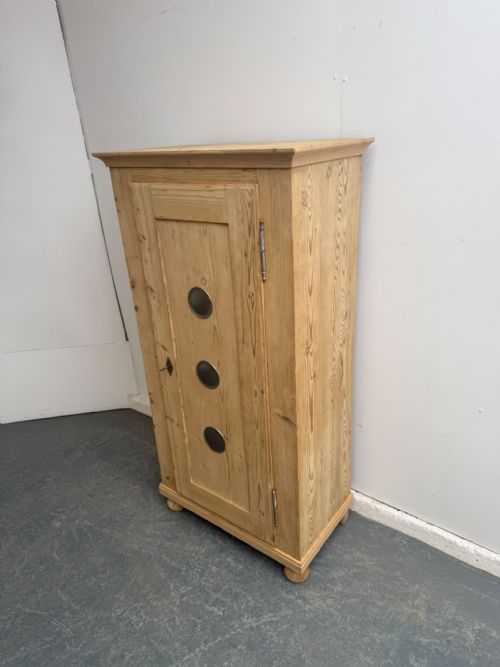
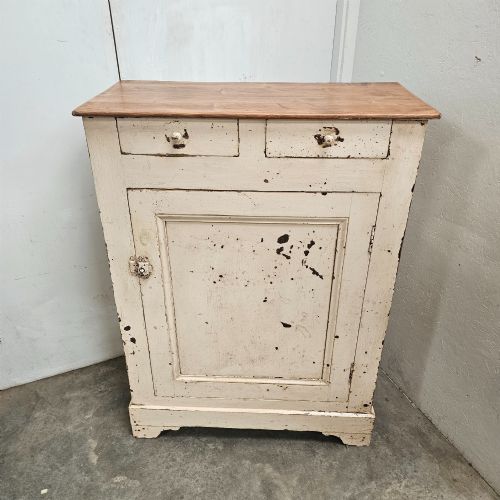
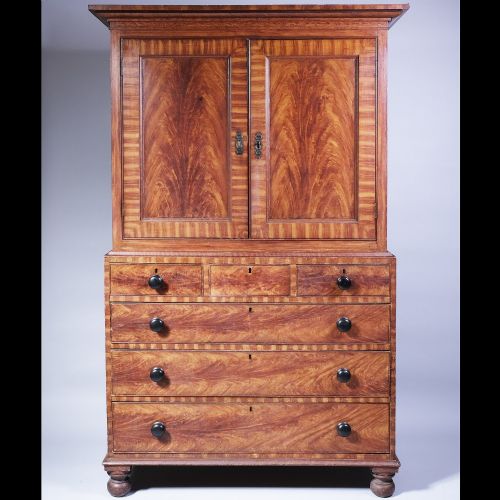
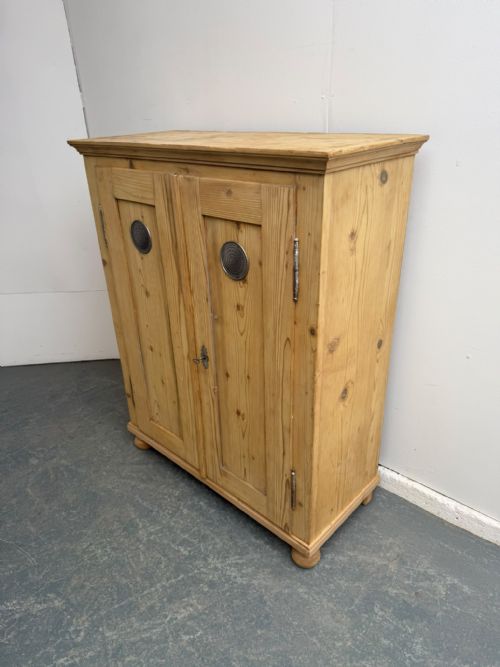
Vintage food storage spans large pine larder cupboards, housekeeper cupboards and kitchen cabinets designed to preserve household provisions. Buyers seeking vintage food storage most frequently encounter 19th century pine and oak pieces originating from British, French, Scandinavian and East European domestic settings.
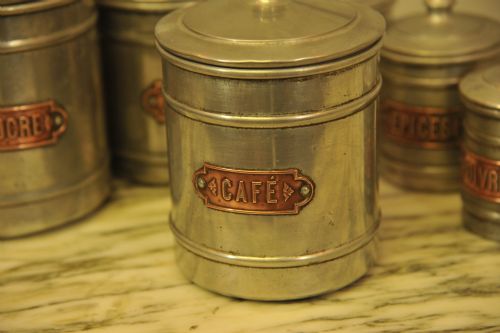
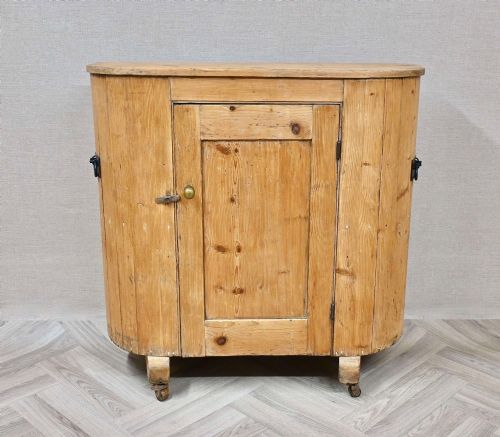
The selection ranges from tall single and double door storage cupboards to smaller painted jam cupboards and specialised containers like biscuit barrels, noodle cabinets and rice carriers. These items reflect traditional methods of keeping foodstuffs secure before modern refrigeration changed household routines.
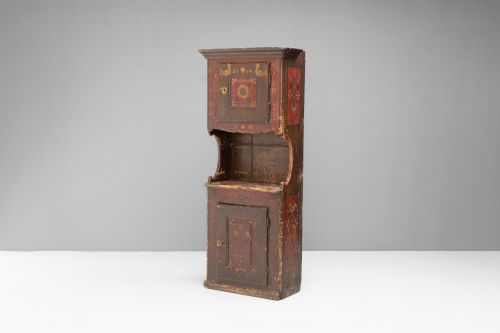
Regional variations appear clearly across the selection, from Scandinavian ragwork painted finishes to French provincial confituriers and English scrubbed pine furniture. Each form tells a specific story about how households managed provisions, dry goods and daily provisions in earlier eras.
Materials and construction
Timbers such as pine, oak, elm and deal form the structural backbone of these storage items, joined using traditional cabinet-making methods suited to heavy daily domestic use. Carpenters utilised solid wood boards for panels and shelves, often retaining natural grain or applying protective layers.
Surface treatments play a major role, featuring original paint, scumble finishes, ragwork decoration and applied iron or brass hardware. Vented doors utilised pierced panels or screens to maintain airflow around stored provisions.
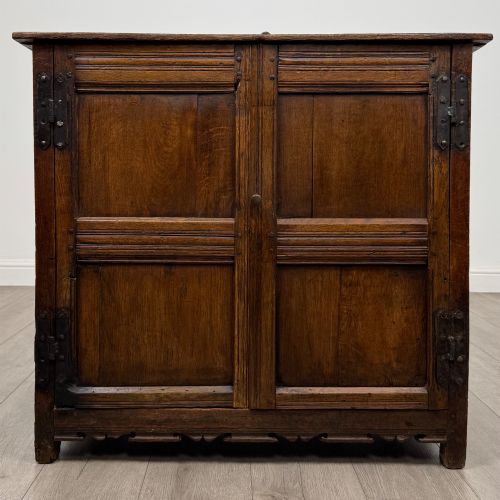
Makers integrated sturdy hinges, latches and carved pillar panels to reinforce large housekeeper cupboards and larder units while adding distinct decorative character to functional kitchen furniture.
Vintage Food Storage Retail Price Guide 2026
Typical asking prices for vintage food storage among the pieces listed under this phrase on Sellingantiques today, from the lower quarter to the upper quarter. They describe what is for sale here now, not the wider market.
Norwegian tine boxes kept provisions safe with wooden pins long before plastic tubs arrived.
Distinctions in quality
Quality rests upon the integrity of the original construction, the condition of the timber and the survival of authentic surface finishes like scumble or ragwork paint. Pieces retaining their fitted interior shelving and original hardware stand apart from heavily altered examples.
The precision of joinery in oak court cupboards and large larder units indicates the skill of the original maker, whereas lesser pieces show utilitarian repairs and replaced boards. Retained decorative details, such as carved panels or distinct regional paintwork, elevate a piece above standard utility furniture.
The Vintage Food Storage Glossary
- Larder cupboard
- A tall cabinet traditionally used for storing perishable food items before the advent of refrigeration, often featuring vented doors for air circulation.
- Housekeeper cupboard
- A large storage piece designed for household linens, dry goods and provisions, typically featuring multiple doors and internal shelving.
- Confiturier
- A French jam cupboard traditionally used to store fruit preserves and confits, usually built with a compact single door format.
- Scumble paint
- A decorative surface finish applied with a translucent glaze over a base coat to imitate the grain of richer woods or create aged texture.
- Mizuya
- A traditional Japanese kitchen tansu cabinet utilised for food preparation storage and culinary implements.
Vintage Food Storage: Frequently Asked Questions
How do I use a larder cupboard today?
These tall cupboards provide deep shelving that suits modern pantry items, tableware or kitchen linens.
Their substantial internal capacity makes them practical standalone storage units for kitchens and dining rooms.
What is scumble paint on a cupboard?
Scumble paint involves applying a translucent tinted glaze over a lighter base colour to create textured patterns or faux wood grains.
Cabinet makers used this technique in the nineteenth century to elevate simpler pine furniture.
Where were housekeeper cupboards placed?
Housekeeper cupboards stood in large country houses and farmhouses where domestic staff managed daily provisions and linens.
They served as central command stations for household supplies before fitted kitchens became common.
How do I identify a 19th century pine cupboard?
Nineteenth century pine pieces display hand-cut joinery, pegged joints, and timber boards showing the wear of active domestic service.
Surfaces often retain layers of old paint, wax or scrubbed finishes rather than modern factory lacquers.