




Vintage Folk Cupboard
A vintage folk cupboard brings utility and character into a room through honest timber and worn pigment.
Vintage Folk Cupboard
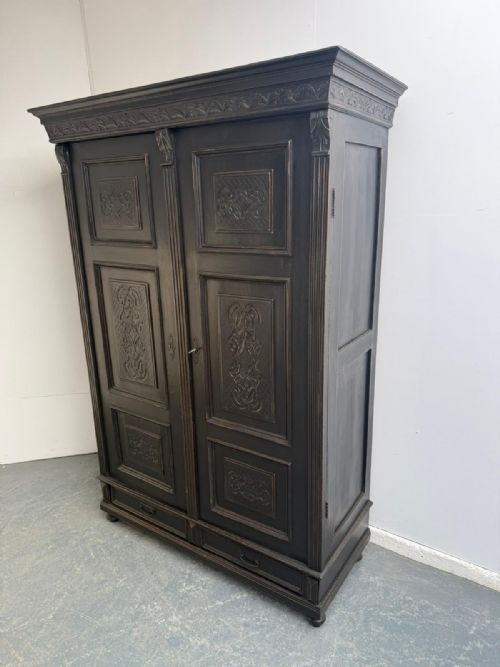
A vintage folk cupboard encompasses practical storage furniture created within regional traditions across Europe, spanning the eighteenth and nineteenth centuries. These pieces take various forms including wall cabinets, kitchen dressers, larder cupboards, and tall wardrobes.
The examples found here draw on Scandinavian, French, English, and Austro-Hungarian country styles. They range from simple pine storage units on stands to substantial two-piece dressers and alpine wedding pieces.
Makers built these items for domestic utility rather than courtly display, employing local woods and traditional construction methods. Surviving pieces carry the marks of rural workshops and generations of household use.
How they were made
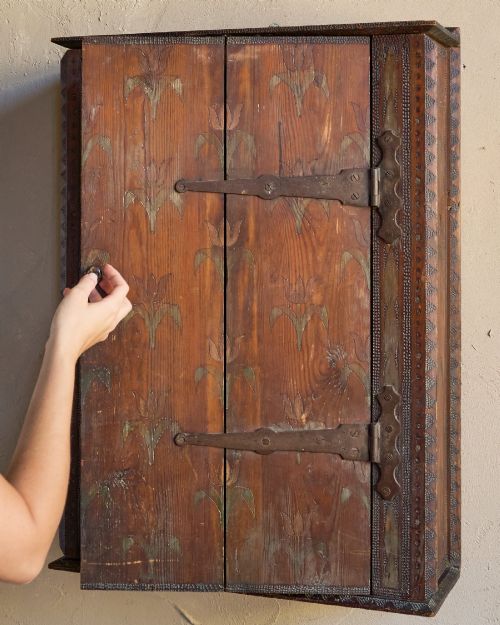
Carpenters relied primarily on solid pine and oak, assembling carcases with pegged joints and hand-cut boards. Iron and brass hardware, such as strap hinges and latches, secured doors and drawers.
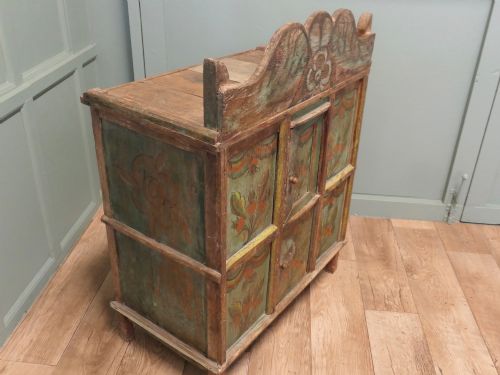
Surfaces frequently received layers of paint, pigment, or ragwork decoration, often in cream, teal, black, or blue hues. Over time, these painted finishes have developed natural patination and wear.
Vintage Folk Cupboard Retail Price Guide 2026
Typical asking prices for vintage folk cupboard among the pieces listed under this phrase on Sellingantiques today, from the lower quarter to the upper quarter. They describe what is for sale here now, not the wider market.
One tiny doll's chair from 1796 proves that miniature furniture received the same folk art dedication as full-sized wardrobes.
What varies in quality
The distinction between standard utility storage and exceptional folk pieces lies in the survival of original decorative surfaces. Untouched regional paintwork and decorative detailing elevate a simple pine carcase considerably.
Proportion and regional carpentry traits also dictate merit. Pieces retaining their authentic hardware, structural integrity, and distinct provincial styling hold greater interest for collectors.
The Vintage Folk Cupboard Glossary
- Pine
- A softwood commonly used for the primary structure of country furniture due to its availability and ease of working. It takes paint readily and forms the base for much folk decoration.
- Ragwork
- A decorative painting technique where rags or cloths are used to apply or manipulate pigment on a surface, creating mottled or textured patterns.
- Gustavian
- The Swedish interpretation of neoclassical style, characterised by restrained carving, pale paint finishes, and functional elegance.
- Linen Press
- A tall piece of storage furniture traditionally designed for storing folded textiles and linen, often combining hanging space with internal shelves or drawers.
- Pigment
- Natural colouring matter used in the paints and washes applied to country furniture to create regional colour palettes.
Vintage Folk Cupboard: Frequently Asked Questions
What is a folk cupboard?
A folk cupboard is a piece of regional storage furniture made by local carpenters for everyday domestic use. These pieces often feature hand-painted finishes and straightforward construction.
They reflect the traditional aesthetics and practical needs of specific rural communities across Europe during the eighteenth and nineteenth centuries.
How do I identify a Gustavian cabinet?
Gustavian cabinets typically display Swedish neoclassical design elements, such as fluted columns, straight lines, and pale or grey painted finishes. They originated in Sweden during the late eighteenth century and continued to influence nineteenth-century cabinetmakers.
These pieces balance functional storage with a restrained, architectural elegance that sets them apart from heavier rustic styles.
Where were these cupboards made?
The pieces originate from various European rural regions, including Scandinavia, France, Austria, Hungary, and Britain. Each area developed distinct preferences for timber selection, form, and painted decoration.
Local workshops adapted prevailing furniture fashions to suit regional materials and domestic requirements.
How should I care for painted wood?
Painted folk furniture requires stable indoor humidity and protection from direct sunlight to preserve the original pigments and timber. Dusting with a dry, soft cloth is sufficient for routine maintenance.
Avoid using harsh chemical cleaners or modern polishes that can soften or damage historic painted surfaces.