





Vintage Flycatcher Ceiling Shade
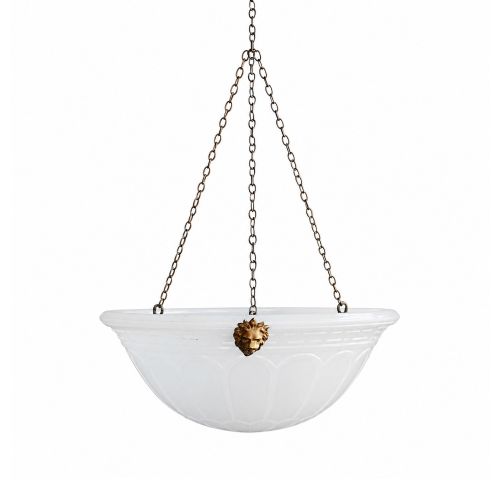
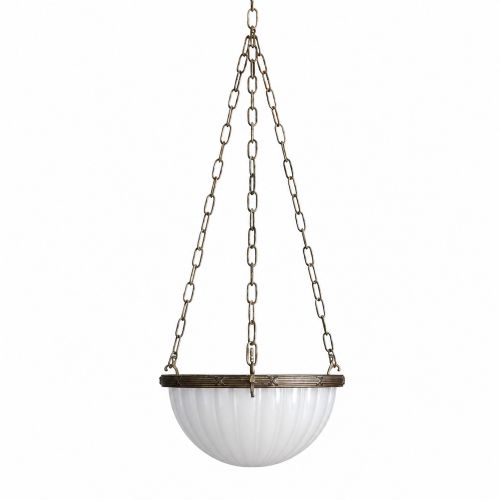
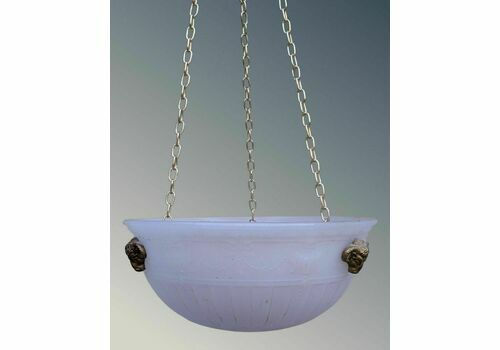
These vintage flycatcher ceiling shade designs offer suspended illumination, bringing period character and diffused light to a room.
Vintage Flycatcher Ceiling Shade
When you search for a vintage flycatcher ceiling shade, you are looking at bowl and dish pendants designed to hang close to the ceiling or drop on cords and chains. The most common versions you will meet on this page are Art Deco glass and alabaster dishes, alongside earlier Edwardian and nineteenth-century examples.
These fixtures serve as overhead lighting, often utilising chains, brass mounts, or fabric cords to suspend bowl, clamshell, or plafonnier shades. The form takes inspiration from styles ranging from clean-lined modernity to neoclassical motifs.
Originating largely from English and Swedish workshops, these ceiling lights span periods from the Edwardian era through the nineteen-twenties and nineteen-thirties. You will find single hanging bowls as well as larger chandeliers and matched suites.
Materials and Construction
Metal components such as brass, patinated brass, bronze, and painted surfaces provide the structural suspension, utilising rams heads, decorative bands, and chains to hold the heavy glass or stone bowls securely.
Vintage Flycatcher Ceiling Shade Retail Price Guide 2026
Typical asking prices for vintage flycatcher ceiling shade among the pieces listed under this phrase on Sellingantiques today, from the lower quarter to the upper quarter. They describe what is for sale here now, not the wider market.
Listings feature pieces spanning the 19th Century, Edwardian era, 1920, and 1930.
Assessing Quality and Execution
The distinction between standard examples and finer pieces lies in the depth of moulding in the glass and the weight of the carved alabaster. Superior items display crisp surface details, such as well-defined clamshell ridges or finely cast bronze mounts.
The harmony of the materials dictates the overall success of the piece, where original brass suspension hardware and matching fixings complement the tone and texture of the central bowl.
The Vintage Flycatcher Ceiling Shade Glossary
- Plafonnier
- A ceiling-mounted or very short-suspended bowl light designed to sit close to the plaster. This form directs light upward and outward into the room.
- Moonstone glass
- A semi-translucent milky glass variant that diffuses light evenly without harsh spots. It was widely utilised during the early twentieth century for domestic lighting.
- Opaline glass
- An opaque or slightly translucent glass type often tinted in pale shades. It creates a soft, milky illumination when lit from within.
- Alabaster
- A fine-grained, translucent stone carved into solid bowls and dishes. Natural veining patterns ensure each turned shade is entirely unique.
Vintage Flycatcher Ceiling Shade: Frequently Asked Questions
How do I hang a vintage ceiling shade?
Most of these fixtures suspend from a ceiling rose using brass chains, metal rods, or fabric cords. You will need to ensure your ceiling structure and wiring can support the combined weight of the glass or alabaster bowl and its metal mounts.
Professional installation by an electrician is recommended to safely integrate older suspension hardware with modern domestic wiring circuits.
What is a flycatcher light?
A flycatcher light is a popular term for a bowl-shaped ceiling pendant, traditionally suspended by three cords or chains beneath a metal ceiling cap. The bowl form earned the moniker due to its resemblance to domed fixtures that historically caught insects.
On this page, the term encompasses everything from nineteen-twenties Art Deco opalescent dishes to earlier Edwardian cut glass bowls.
How do I clean antique glass shades?
Wash glass and alabaster bowls gently in warm water using a mild, non-abrasive soap. Avoid submerging metal mounts or aged brass components to preserve their original patination and finishes.
Dry the glass thoroughly with a soft cloth before rehanging the shade to prevent water spots from forming on the translucent surface.