
Vintage Flower Art
Vintage flower art brings together painted blooms, carved reliefs and precious cluster rings spanning the nineteenth and twentieth centuries.
Vintage Flower Art
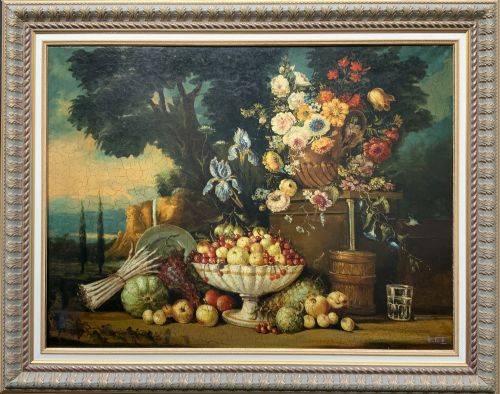
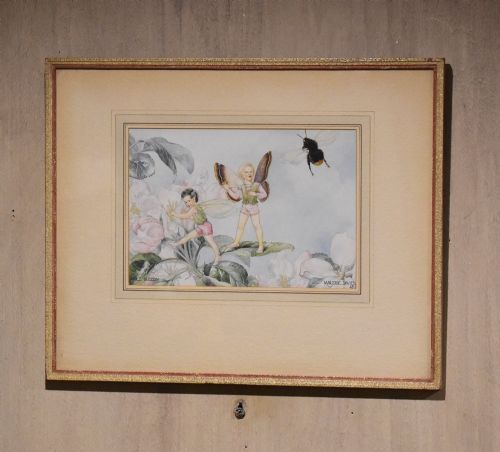
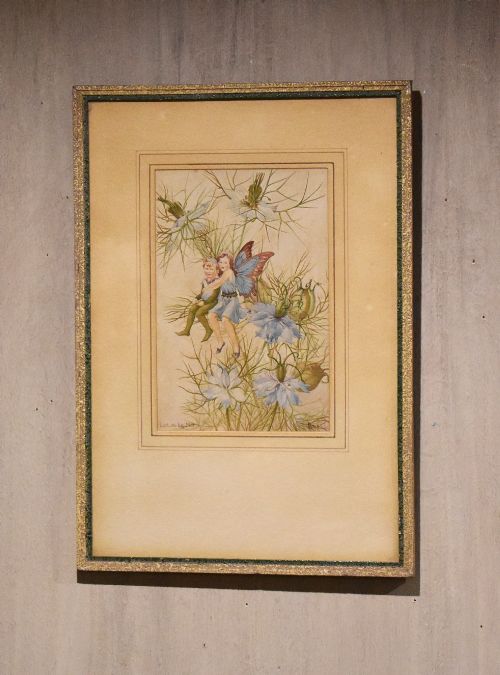
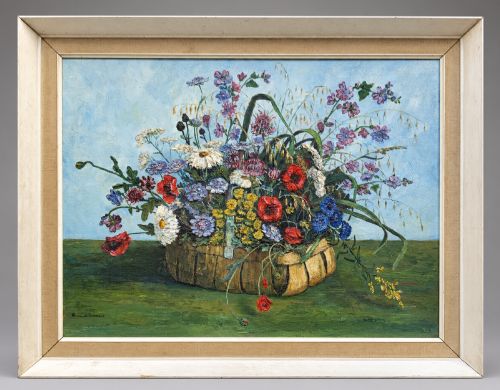
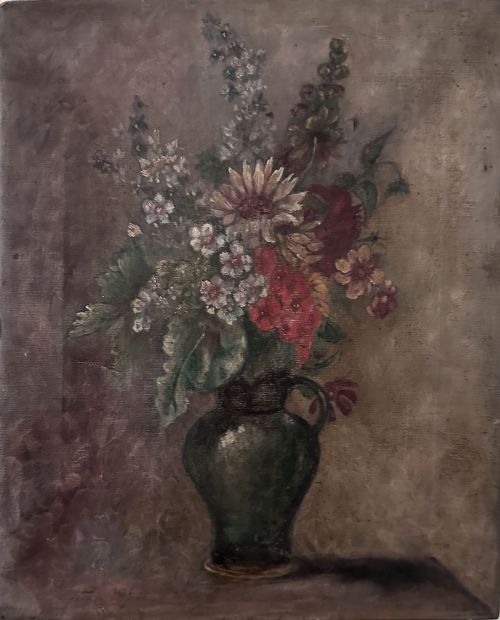
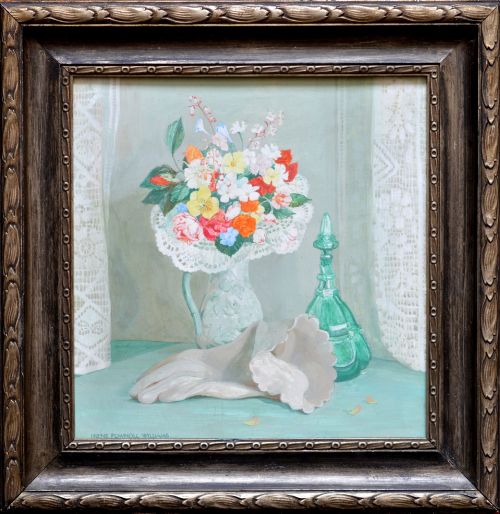
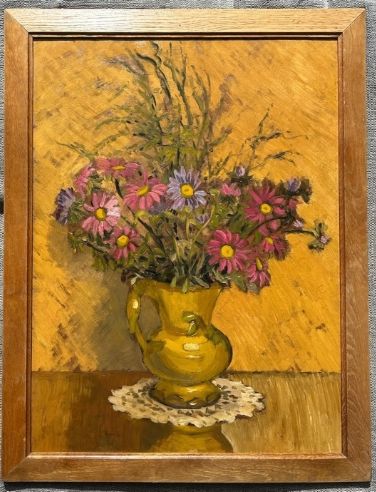
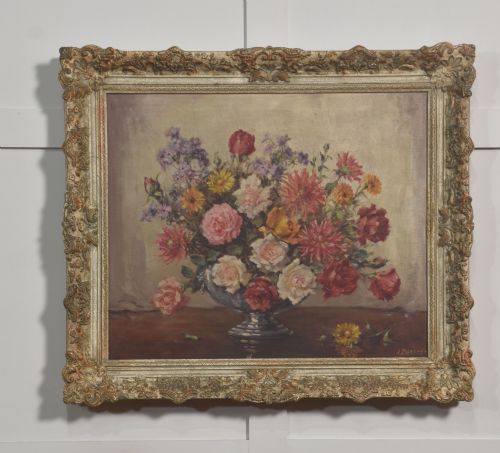
When a buyer searches for vintage flower art, they encounter a diverse selection of objects ranging from oil paintings on canvas and board to watercolours, gouache studies and pastels. The most common manifestations on this page are framed still-life oil paintings and botanical watercolours depicting roses, carnations and marigolds.
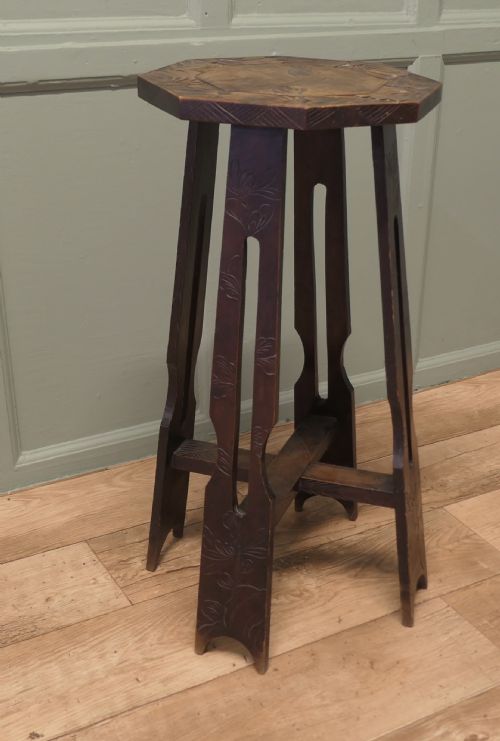
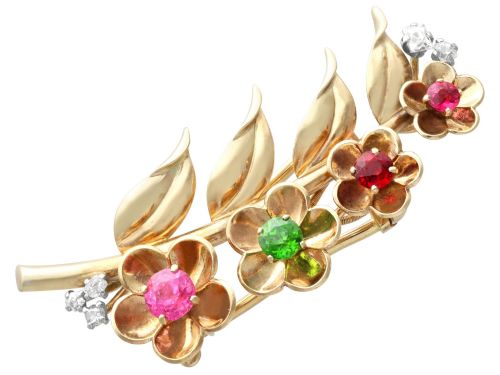
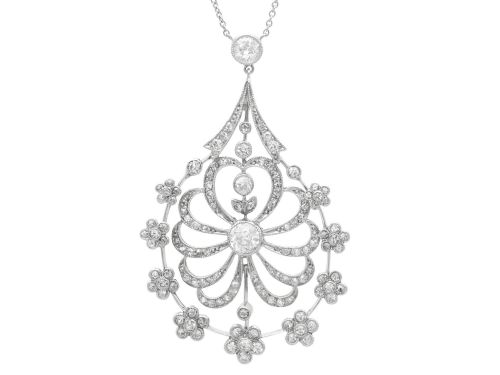
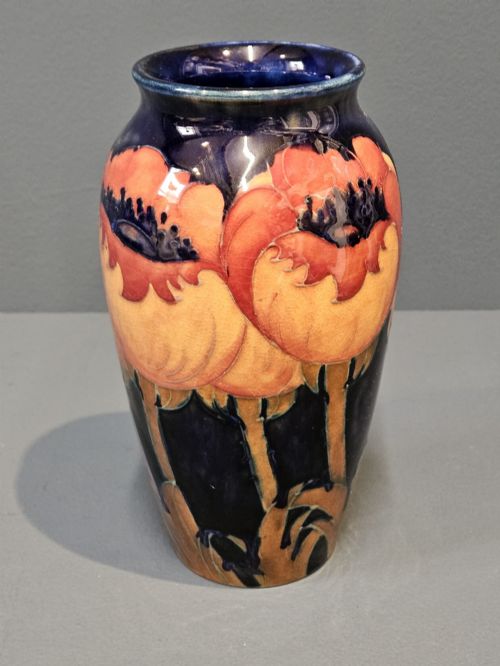
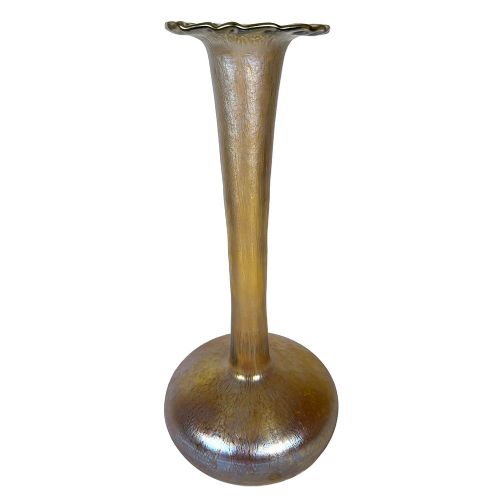
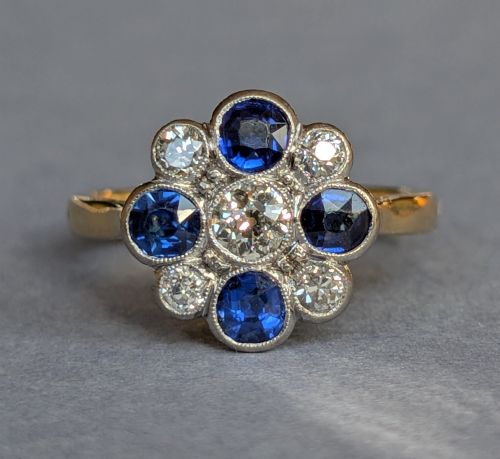
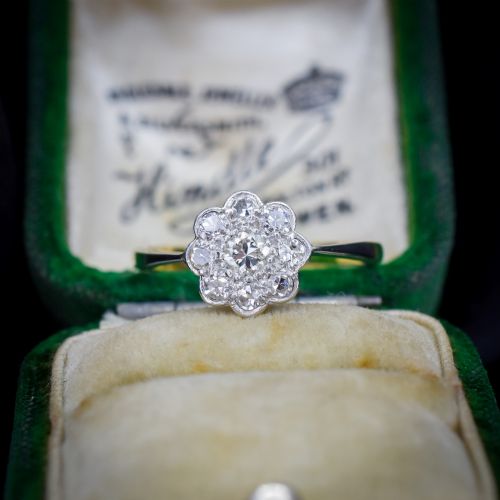
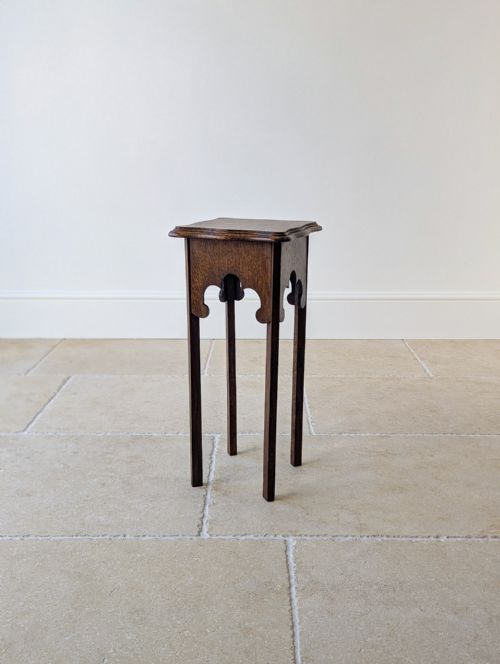
Beyond paintings on paper and canvas, the category encompasses decorative three-dimensional forms. Buyers find carved wood floral wall reliefs, ceramic vases, plant stands and jewellery where diamonds and sapphires are clustered in distinct floral motifs.
Materials and Techniques
Painters utilised oil paint, watercolour, gouache and pastel on supports such as canvas, paper, wood and board, frequently housing finished works in gilt gesso frames. Ceramic and glass pieces incorporate hand-painted enamels, while sculptural items display detailed wood carving.
Jewellery makers set diamonds, rubies, pearls and green chalcedony into 18ct gold, white gold, platinum and sterling silver to create floral cluster rings, necklaces and earrings.
Several artists preferred painting flowers spilled carelessly from wicker baskets rather than neatly arranged in formal vases.
Assessing Quality in Floral Pieces
Quality rests upon the execution of the hand, whether in the confident brushstrokes of an oil painting or the meticulous precision of a botanical watercolour. Finer pieces demonstrate a careful command of light, colour balance and composition within the floral arrangement.
In jewelled works, the cut and clarity of the diamonds forming the petals elevate the piece, just as depth of carving distinguishes a decorative wood relief from simpler production.
Kenneth Cozens·I Berezny·Anton Weiss·Harold Clayton·Edwin Steele·D Hardy·Catherine Thomas·Manuela Bonati·Emma Fordyce MacRae·Konstantin Stoitzner
The Vintage Flower Art Glossary
- Still life
- A painting or drawing depicting inanimate subject matter, typically commonplace objects or botanical specimens like flowers in a vase.
- Gouache
- An opaque water-based paint that dries to a matte finish, offering stronger coverage than traditional watercolour.
- Oleograph
- A mechanical print textured to imitate an oil painting, produced using lithographic techniques.
- Gesso
- A plaster-like mixture applied to wood or canvas as a base for paint or moulded into decorative frames.
- Cluster ring
- A ring featuring a central gemstone surrounded by a cluster of smaller stones, frequently arranged to resemble a flower.
Vintage Flower Art: Frequently Asked Questions
What periods do these pieces cover?
The selection spans from the early nineteenth century through the Edwardian era and into the mid-twentieth century. Items reflect stylistic shifts from Regency and Victorian botanical recording to Art Deco design and mid-century modern painting.
Dates are supported by signed works, dated watercolours and period-specific manufacturing techniques across paintings, jewellery and decorative objects.
How were botanical watercolours used?
Botanical watercolours served both scientific record-keeping and domestic decoration. Artists meticulously captured the precise structural details of wildflowers, fuchsias and roses on paper.
Framed for display in homes, these works allowed Victorians and Edwardians to bring garden flora indoors throughout the changing seasons.
How do I identify Art Deco floral rings?
Art Deco pieces typically feature geometric arrangements utilising platinum or white gold settings. Diamonds and coloured gemstones are clustered tightly to form abstract floral petals and daisy motifs.
These rings often date from the 1920s and 1930s, contrasting with earlier yellow gold and platinum cluster designs from the turn of the century.
Are all oil paintings signed?
Many oil paintings bear signatures or attributions to named artists, while others remain anonymous period works. Signatures provide direct links to painters working in specific decades.
Unsigned paintings still offer clear stylistic evidence of their period through canvas types, framing styles and painting techniques.