



Vintage Floral Pitcher Set
These vintage floral pitcher set examples bring traditional earthenware and porcelain to washstands and tea tables alike.
Vintage Floral Pitcher Set
A vintage floral pitcher set encompasses utilitarian vessels designed for washing and serving, spanning periods from the nineteenth century through the Edwardian era. These pieces appear principally as complete jug and bowl sets, washstand sets, and occasional tea services decorated with floral motifs.
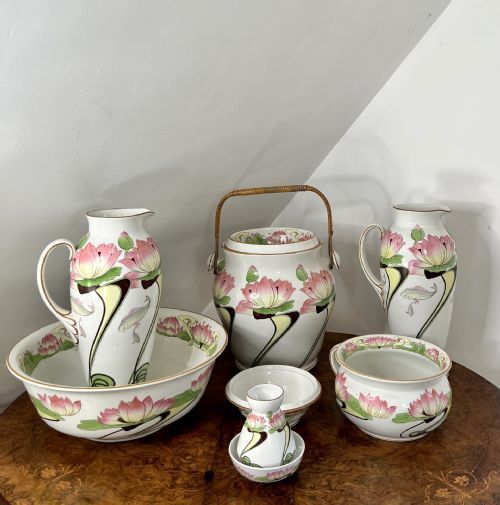
The assortment on this page draws heavily from Victorian and Edwardian examples, alongside pieces styled in French Rococo Revival, Regency, and Art Nouveau aesthetics. Earthenware, ironstone, and porcelain form the primary bodies of these utilitarian and decorative sets.
How They Were Made
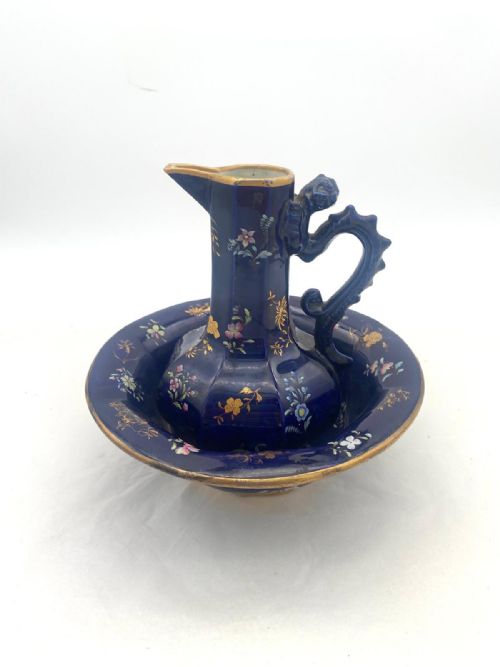
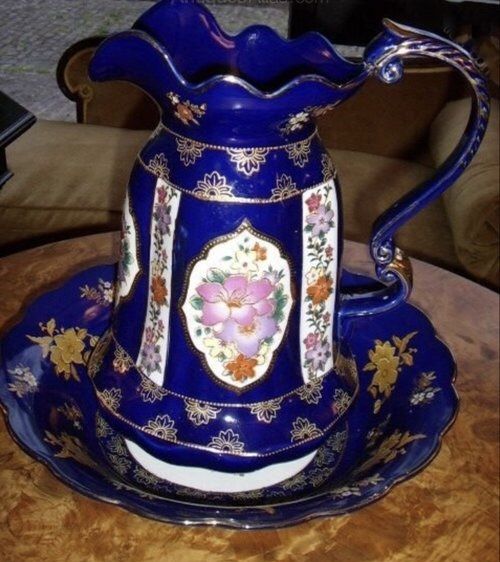
Potters utilised ceramic bases such as earthenware, ironstone, and porcelain, shaping them into octagonal jugs, basins, and tea service components. Cobalt glaze and gold leaf frequently decorated these surfaces alongside hand-applied flower designs.
Firing techniques fixed the glaze and pigments to the ceramic body, creating durable surfaces intended for daily domestic use in bedrooms and parlours.
Vintage Floral Pitcher Set Retail Price Guide 2026
Typical asking prices for vintage floral pitcher set among the pieces listed under this phrase on Sellingantiques today, from the lower quarter to the upper quarter. They describe what is for sale here now, not the wider market.
Listings span from the 1860 Victorian era through Edwardian productions, utilising earthenware, ironstone, and porcelain with cobalt glaze and gold leaf.
What Varies in Quality
Standard differs through the crispness of the floral design and the refinement of the ceramic body, separating robust earthenware from delicate porcelain. Details such as applied gold leaf and cobalt glaze application indicate the level of labour invested in the set.
The distinction between standard domestic ware and ambitious cabinet pieces rests on the complexity of the moulding, such as octagonal forms and specialised stylistic revivals.
Masons Ironstone·Doulton Burslem·Mark Jones And Sons
The Vintage Floral Pitcher Set Glossary
- Ironstone
- A durable type of earthenware patented in the nineteenth century to imitate porcelain. It provides a heavy, resilient body for large jugs and bowls.
- Cobalt glaze
- A rich blue mineral pigment applied under or over the glaze before firing. It produces deep blue floral patterns on ceramic surfaces.
- Gold leaf
- Hammered gold beaten into extremely thin sheets and applied to ceramics for decoration. It accents handles, rims, and floral details.
- Washstand set
- A matching collection of ceramic vessels including a large pitcher and basin. These sets served personal hygiene needs in bedrooms before indoor plumbing.
Vintage Floral Pitcher Set: Frequently Asked Questions
What is a vintage floral pitcher set used for?
These sets served practical domestic purposes, primarily holding water for washing at a bedroom washstand or serving tea in a parlour.
Today, collectors use them as decorative focal points or display pieces in traditional interiors.
How do I date a jug and bowl set?
Dating relies on identifying the ceramic body type, such as heavy ironstone or fine porcelain, alongside stylistic clues like Art Nouveau or Victorian motifs.
Maker marks stamped or painted on the underside provide the most precise indication of origin and period.
Are these sets safe for daily use?
While structurally sound, antique ceramics from the nineteenth and early twentieth centuries often feature delicate gold leaf and historical glazes that warrant careful handling.
Most buyers prefer to display them rather than subject them to modern dishwashers or frequent utility.
What is the difference between earthenware and porcelain?
Earthenware is a porous, opaque ceramic body fired at lower temperatures, commonly found in robust nineteenth-century wash sets.
Porcelain is vitrified, denser, and finer in appearance, typically reserved for tea services and decorative cabinet pieces.